

Naturally gluten-free foods

Harvard study: Healthier fats linked to longer life after prostate cancer diagnosis

Shingrix shingles vaccine linked with lower heart disease risks

Estrogen-only hormone therapy tied to lower dementia risk
Should you have a hysterectomy?

Stair climbing may significantly lower cardiovascular risks

Why do I sweat so much?

Walking pneumonia: The "mild" illness that can still pack a punch

What causes knee pain: How doctors make a diagnosis
Where you carry excess weight matters in predicting heart disease risk
Balance Archive
Articles

Exercise may lower risk of premature death among people with diabetes
A 2025 study suggested that people with diabetes who exercise regularly or in a "weekend warrior" pattern are significantly less likely to die earlier than peers who are inactive.
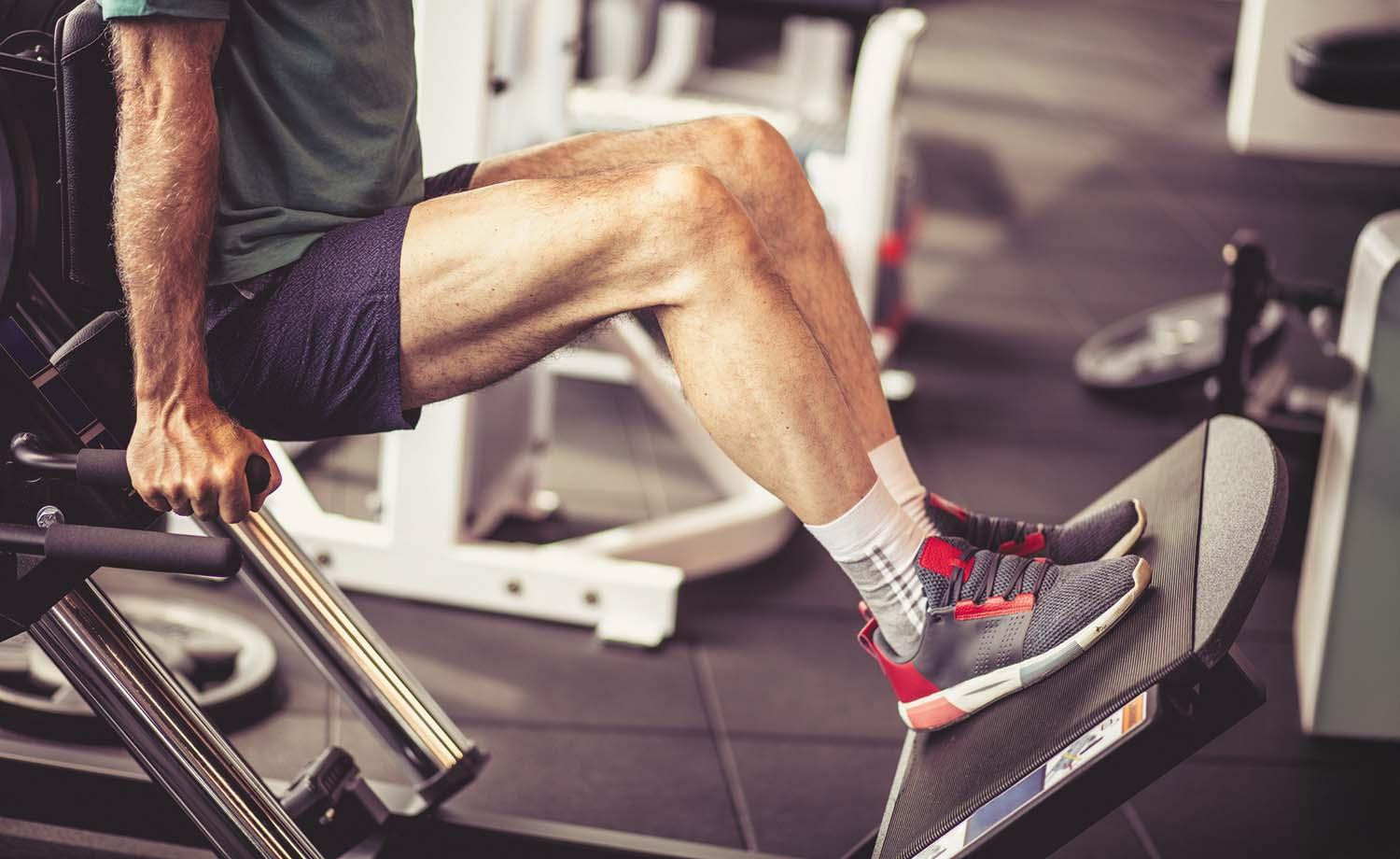
Building stronger legs
Leg strength becomes even more vital as people age, as the legs are essential for routine movements such as going up and down stairs, sitting and rising from chairs, bending over and standing up, and protecting against falls. The main leg muscles are gluteals, quadriceps, hamstrings, and calves. Some exercises that can help strengthen these muscles are bridges, step-ups, and heel raises.
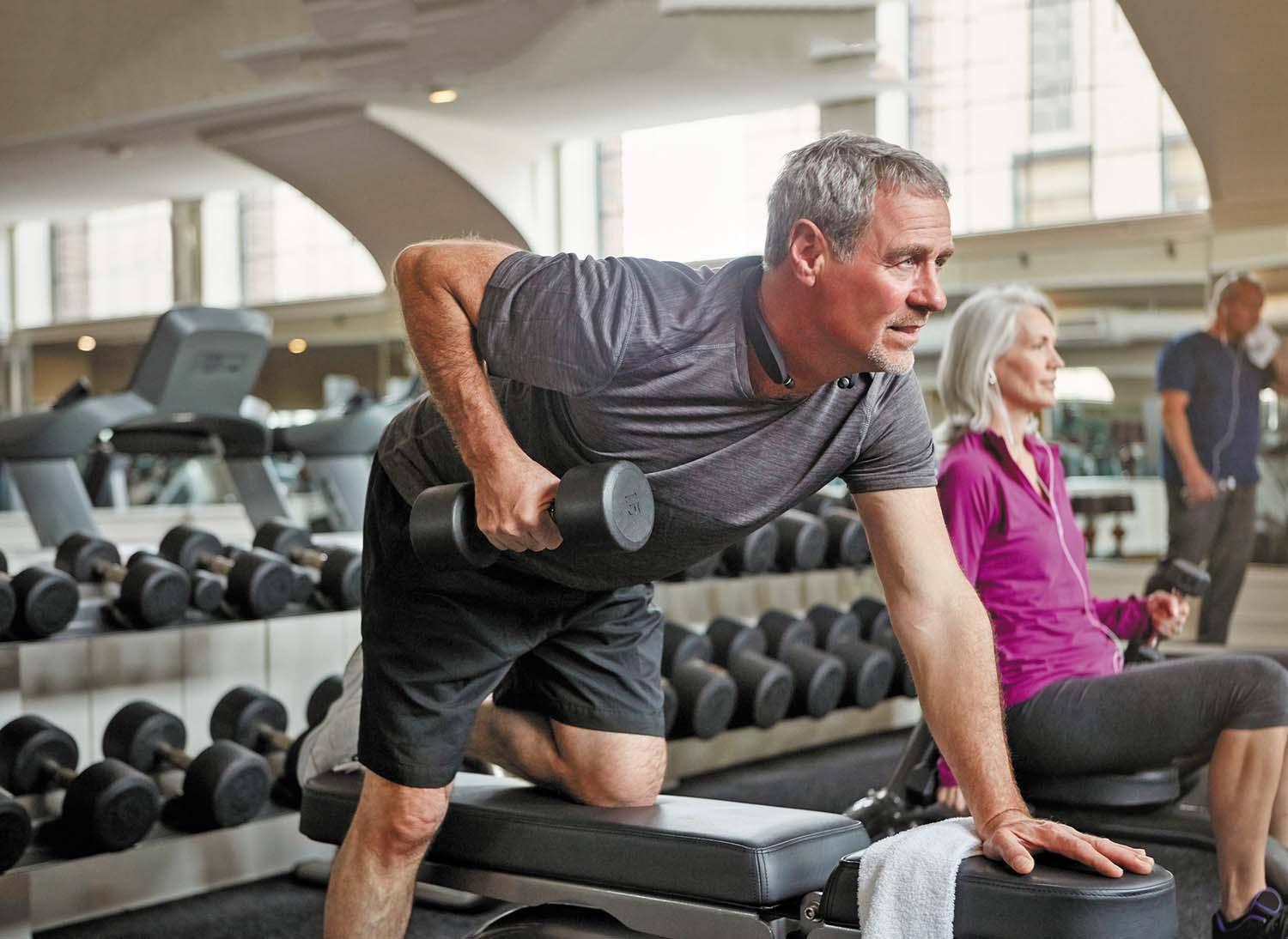
6 mistakes that sabotage your workout
Simple mistakes can undermine an exercise regimen. Some errors can lead to muscle injury, such as skipping a warm-up before a workout, slouching while exercising, cramming too much into a single exercise session, lifting too much weight, and working the same muscle groups every day without allowing them to rest properly. Another big mistake is not staying properly hydrated, which can be tough on the heart and muscles. To avoid mistakes, it might help to work with a physical therapist or personal trainer.
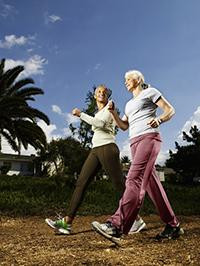
A modest level of physical activity may help protect women from health risks
According to a 2025 study, women who walked at least 4,000 steps per day once or twice a week had a lower risk of cardiovascular disease and early death compared with women who did not reach this threshold.
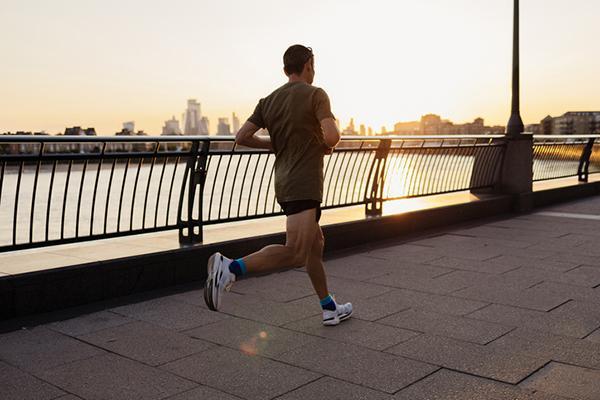
Does exercising in the evening affect sleep?
Research suggests that people can exercise in the evening without it affecting their sleep if they avoid physical activity several hours before bedtime.

Go slower for strength training gains
A form of strength training called time under tension (TUT)focuses on the amount of time muscles are activated during an exercise rather than the number of repetitions or amount of weight. TUT forces people to use a slower tempo and controlled movements when exercising, which keeps the muscles engaged longer, helping to stimulate muscle growth. TUT can be applied to practically any type of strength training exercise, including free weights and gym machines.
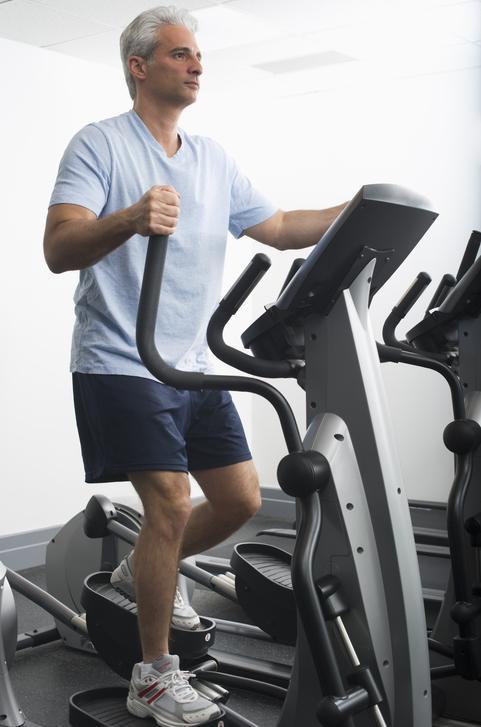
Why you should try ellipticals
Ellipticals are stationary exercise machines that simulate walking, running, or stair climbing. They combine cardio with strength training and can simultaneously engage the upper and lower body for a full-body workout. Ellipticals also offer a low-impact exercise, placing less stress on the knee, hip, and ankle joints, which make them ideal for people who have knee or hip osteoarthritis or are recovering from an injury.
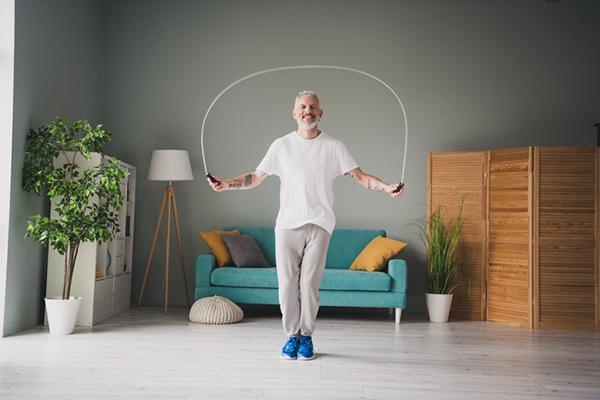
A fresh approach to cardio exercises
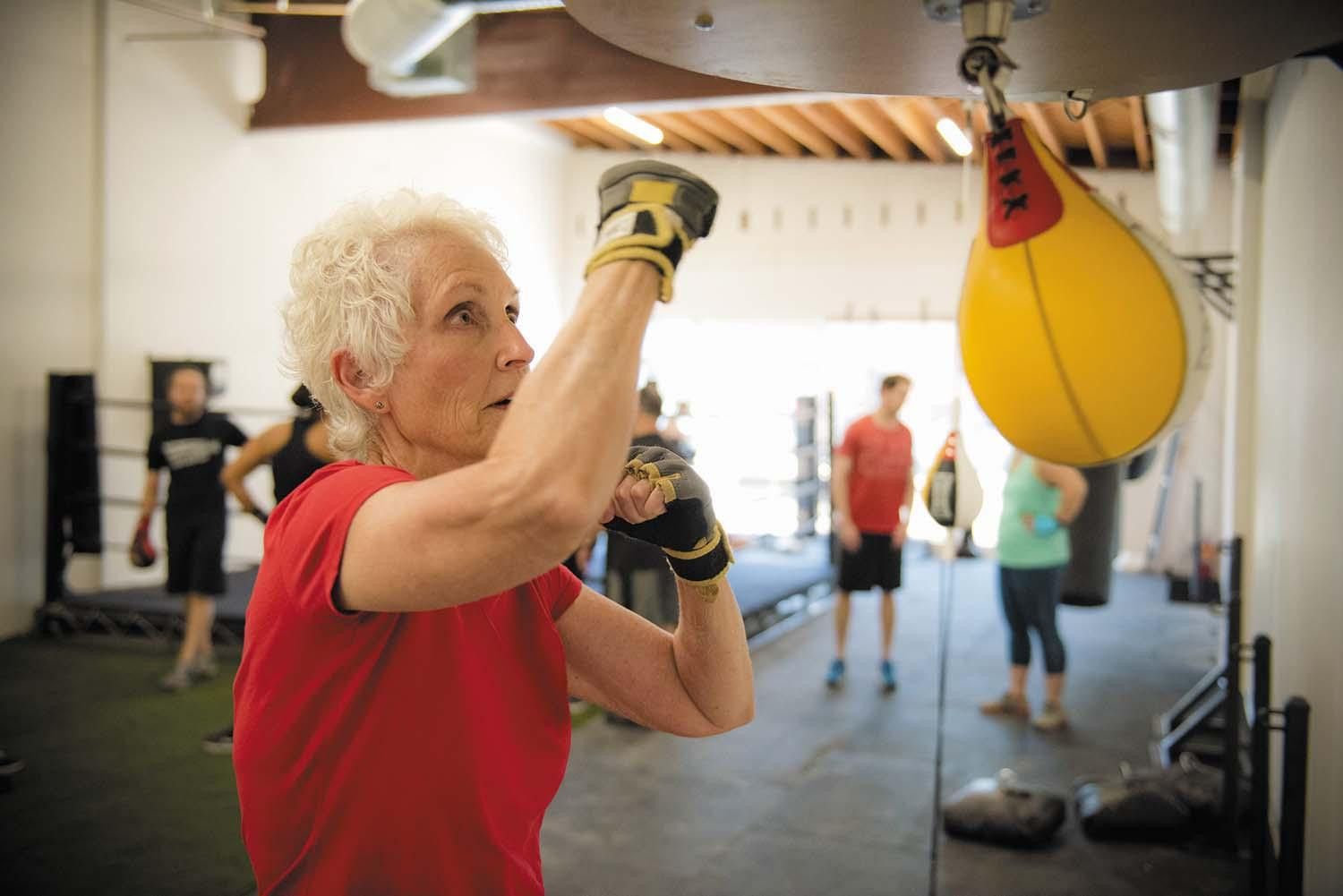
There are many ways people can meet the national guidelines for weekly activity. While running and walking are popular exercise choices, they are not the only options. Many sports and activities provide a similar heart-pumping workout, such as boxing, swimming, cycling, basketball, dancing, and even pickleball. People can also get creative and do circuit training using gym machines or perform cardio exercises at home.
The heartfelt effects of exercise
Exercise is one of the most powerful tools for preventing heart disease and extending life. Physical activity triggers favorable changes such as making cells more sensitive to insulin and reducing inflammation. It also helps keep blood vessels supple and flexible (which supports efficient blood flow), strengthens muscles (which helps burn more calories), and remodels the heart, making it more efficient at pumping blood through the body. Together, these changes all reduce a person's chances of developing common risk factors for heart disease, including diabetes, high blood pressure, high cholesterol, and obesity.
The need for walking speed
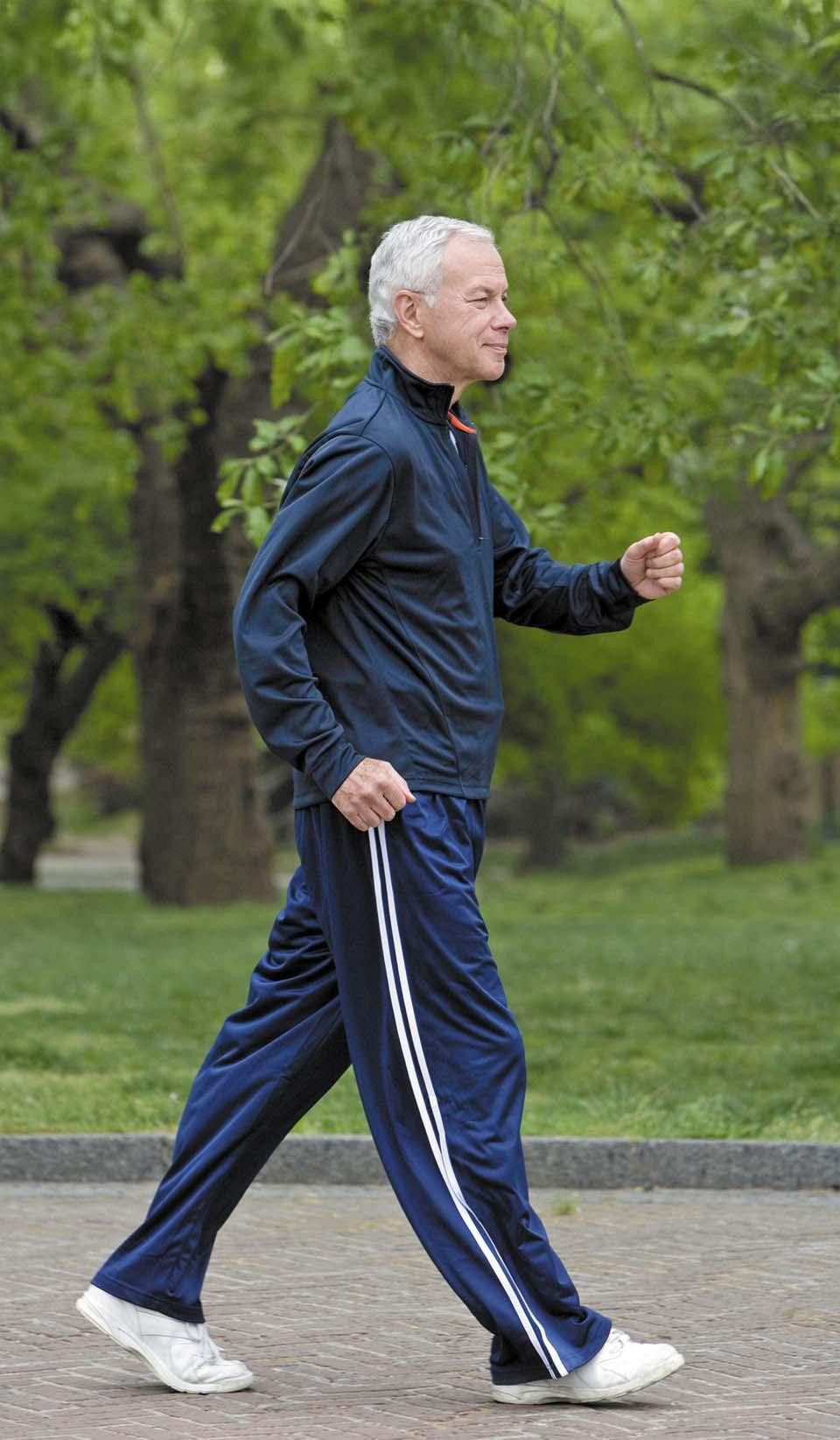
Walking is often viewed as a casual form of exercise, but it also can be your primary form of moderate-intensity exercise if you increase the intensity, duration, and frequency of your workouts. You can adopt several types of workouts to help increase pace and endurance, such as intervals, timed walks, and pole walking. Wearing appropriate walking shoes and improving their walking mechanics also can improve walking speed and endurance.
Naturally gluten-free foods
Harvard study: Healthier fats linked to longer life after prostate cancer diagnosis
Shingrix shingles vaccine linked with lower heart disease risks
Estrogen-only hormone therapy tied to lower dementia risk
Should you have a hysterectomy?
Stair climbing may significantly lower cardiovascular risks
Why do I sweat so much?
Walking pneumonia: The "mild" illness that can still pack a punch
What causes knee pain: How doctors make a diagnosis
Where you carry excess weight matters in predicting heart disease risk
Free Healthbeat Signup
Get the latest in health news delivered to your inbox!
Sign Up
