










The heartfelt effects of exercise
Physical activity triggers beneficial changes in your cells, organs, and body that keep your cardiovascular system in good shape.
- Reviewed by Christopher P. Cannon, MD, Contributor
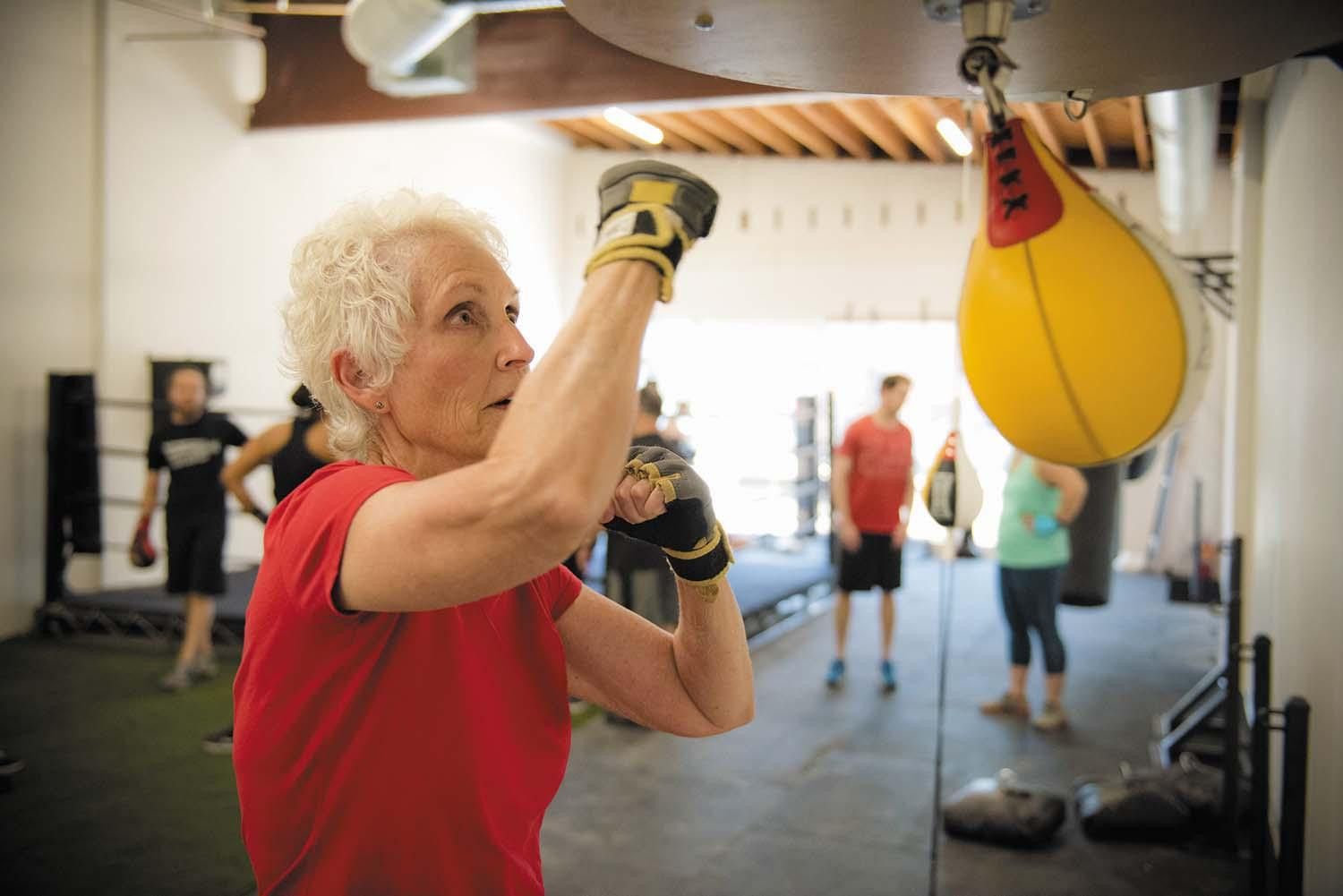
For most of human history, moving wasn't a choice - it was survival. Hunting, gathering, farming, and walking long distances kept our bodies in constant motion. But over the past century, daily movement has quietly disappeared from much of our lives. Desk jobs, cars, and screen time have replaced the natural rhythm of physical activity, and our hearts are feeling the consequences.
A review in the July 7, 2025, issue of Circulation Research pulls together decades of evidence showing that exercise is one of the most powerful tools for preventing heart disease and extending life. Some of the earliest evidence dates back to the early 1950s, when researchers looked at rates of coronary artery disease among London transit employees.
"They found a roughly 50% lower risk of coronary artery disease among conductors, who spent their time walking around the bus collecting tickets, compared with drivers, who spent most of their days sitting," says Dr. Beth Frates, a lifestyle medicine expert and associate professor of medicine at Harvard Medical School.
Starting in the 1970s, researchers began using questionnaires to estimate how much physical activity people did, ranging from tasks such as housework and gardening to dedicated exercise like jogging and cycling. More recently, activity trackers and smart watches have enabled researchers to quantify sedentary time as well as all types of activity, from leisurely to intense.
Why movement matters
Robust evidence supports a clear link between physical activity and different types of cardiovascular disease, including coronary artery disease, stroke, heart failure, atrial fibrillation, and peripheral artery disease. But just how does exercise promote those benefits?
As the review explains, physical activity triggers favorable changes in your cells, organs, and entire body. "The physiological changes include making your cells more sensitive to insulin and reducing inflammation," says Dr. Frates. Exercise also helps to keep your blood vessels supple and flexible (which supports efficient blood flow) and encourages the growth of capillaries, the tiny vessels that deliver blood to organs.
Consistent, regular activity strengthens your muscles, helping you burn more calories. It also remodels your heart, making it more efficient at pumping blood throughout your body. Together, all of these changes reduce your odds of developing common risk factors for heart disease - diabetes, high blood pressure, high cholesterol, and obesity. Meeting the recommended targets for physical activity (see "Exercise goals") can lower your risk of dying early by about 22%, which is a bigger benefit than many medications provide.
Exercise goals |
|
|
The federal physical activity guidelines recommend |
|
|
|
|
OR |
|
|
|
|
PLUS |
|
From information to action
Only about one in four American adults meets the goals for both aerobic exercise and strength training. The good news: There's no magic threshold where the benefits start, and even a few thousand steps per day and standing up more throughout the day helps. Also, you can break up your movement into small increments of just a few minutes at a time - or do most of your exercise on just a couple of days per week. Your heart will reap the benefits either way.
Often, motivation is the biggest hurdle, says Dr. Frates. For some people, understanding why and how exercise actually makes a difference may be inspiring. For others, feelings, not facts, are more powerful. "When they hear about someone with an unhealthy lifestyle who suffers a heart attack, the fear that the same thing might happen to them can often spark a desire to change," she says.
But instead of fear, turn to two factors that are sometimes overlooked in discussions about physical activity: fun and friends. "It's so important to find an activity you really like and can sustain for years," says Dr. Frates. Try something you remember enjoying from your childhood, whether that's hula hooping, jumping rope, or playing Ping-Pong. Variety, like paddle boarding in the summer or cross-country skiing in the winter, can also add an element of fun.
Enlist a friend or family member for a neighborhood walk, or suggest a "tread talk" (treading water while chatting) in a local pool. Taking a yoga, tai chi, or other group exercise class is another good way to jump-start an exercise habit.
Image: © Stephen Simpson/Getty Images
About the Author

Julie Corliss, Executive Editor, Harvard Heart Letter
About the Reviewer

Christopher P. Cannon, MD, Contributor
Disclaimer:
As a service to our readers, Harvard Health Publishing provides access to our library of archived content. Please note the date of last review or update on all articles.
No content on this site, regardless of date, should ever be used as a substitute for direct medical advice from your doctor or other qualified clinician.


