

Light exposure at night may raise risk for heart disease

Whole grains may improve several heart risk factors at once

A lumbar belt may help ease low back pain

Children of centenarians may stay healthier and live longer too, study finds

Signs of pneumonia: Sometimes vague and unexpected

The surprising link between ovarian cancer and the fallopian tubes

Using a vibration plate: What it can — and can't — do for your body

People who walk more or walk faster live longer, study finds
For sleep apnea, a dental device may be as effective as CPAP
Rosacea treatments: What works?
Balance Archive
Articles
A brief fitness test may predict how long you'll live
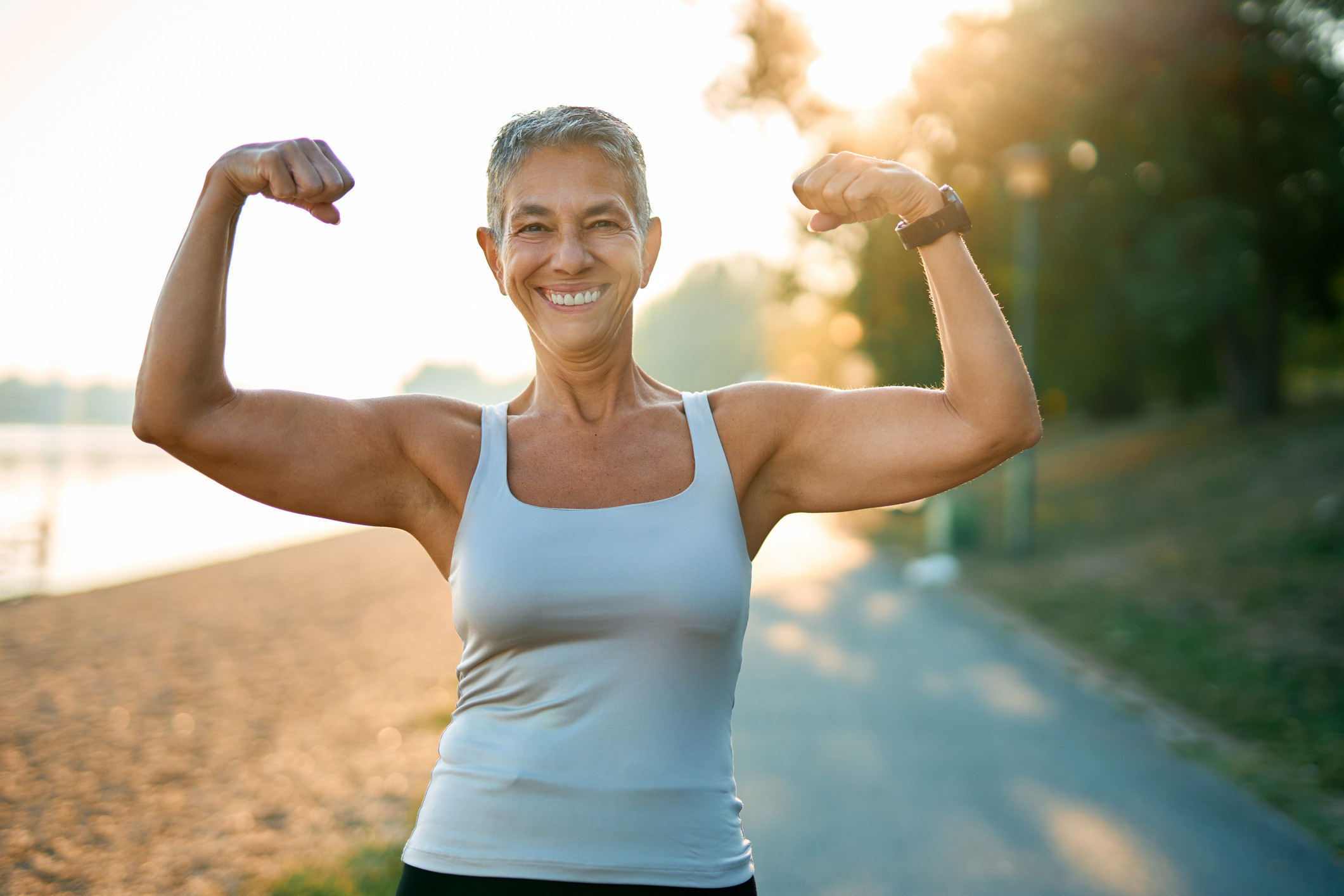
In a 2025 study, middle-aged and older people who could do the sit-to-rise test without support were less likely to die (especially of cardiovascular disease) within the following decade. The test is a good way to assess strength, flexibility, and balance-all of which are all vital for helping people to stay active and functioning well as they grow older.

What the sitting-rising test says about your health
The sitting-rising test gauges how easily people can rise to their feet from sitting on the floor, using as little support as possible. A 2025 study suggested the test may help predict someone's longevity. People who scored the lowest were nearly four times more likely to die of natural causes and six times more likely to die of cardiovascular causes than participants who scored a perfect 10 on the test. The movement requires strength, coordination, balance, and flexibility. These components of fitness tend to drop off more precipitously in women as we age.
Yoga, tai chi, walking, and running may help with insomnia
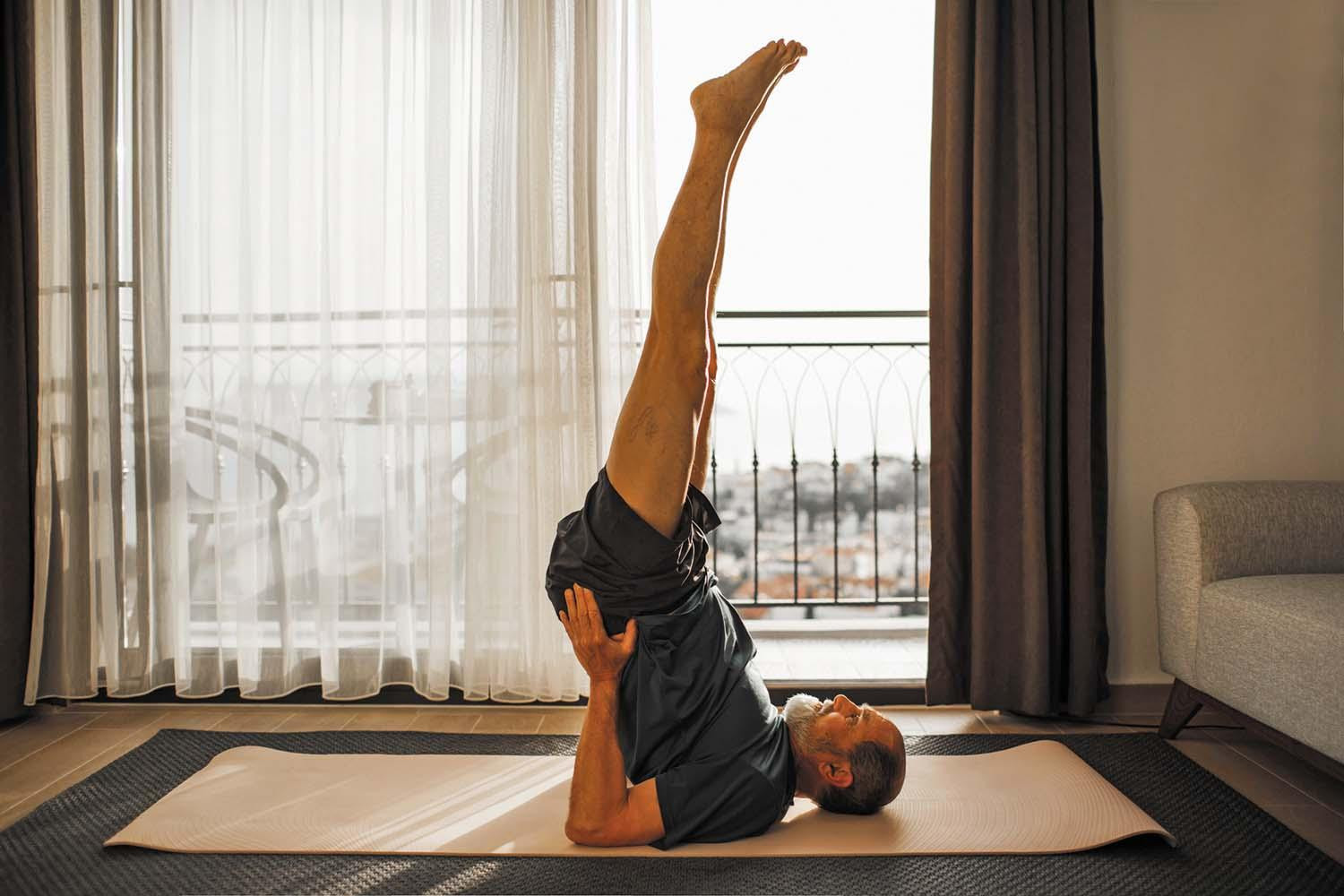
Research suggests that exercise is beneficial in managing insomnia, but current guidelines don't specify which types may be most effective. A 2025 study found that yoga, tai chi, walking, and running were associated with reduced symptoms of insomnia.
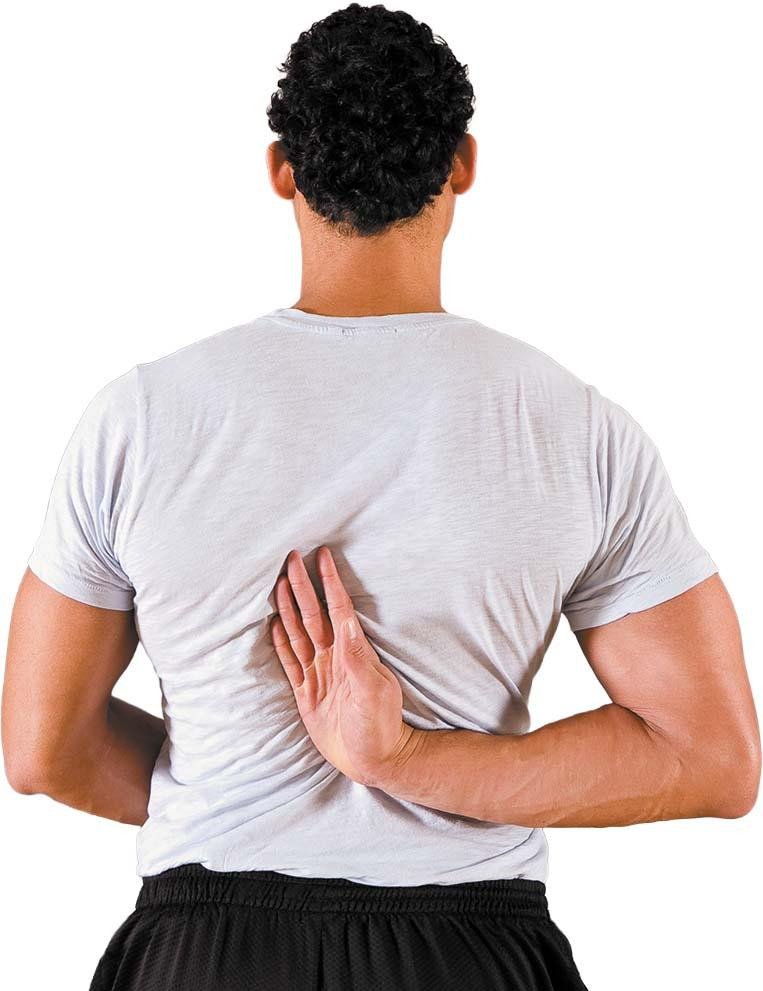
A quick shoulder workout you can do at home
Aging often leads to a loss of shoulder strength and motion, especially the ability to reach up and lift objects overhead. The best way to protect the shoulders is to stretch them daily and strengthen them every other day. Exercises can be done consecutively in a single workout or individually throughout the day. It's best to do a warm-up before engaging in any shoulder exercises. A warm-up can be as simple as marching in place for a few minutes while gently moving the arms up and down.
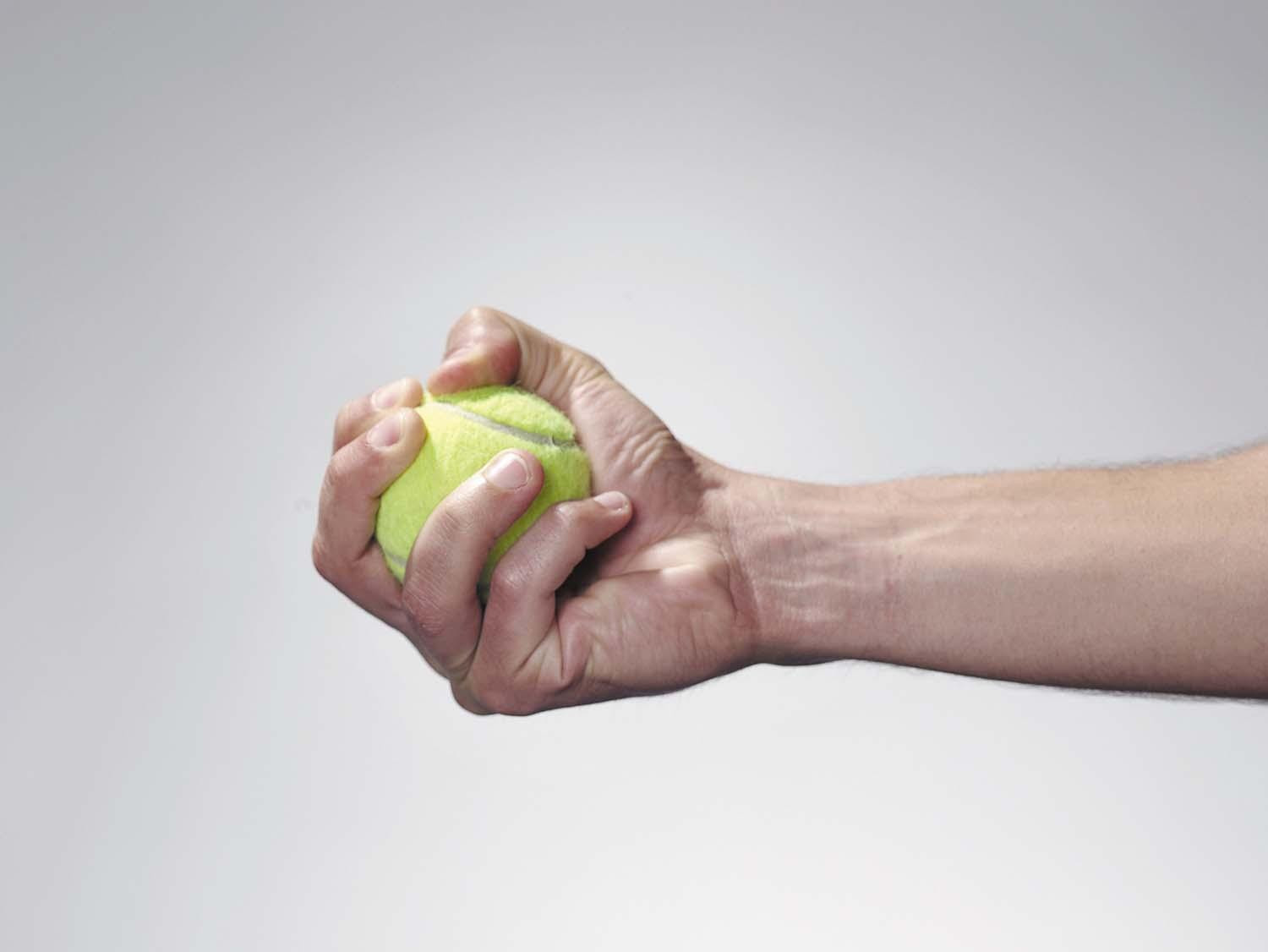
Why do I feel more clumsy with age?
As people get older, they may get clumsier because of multiple factors such as declining hearing and vision, loss of muscle, balance issues, and chronic health conditions. Addressing these issues can help people avoid injury from falls and other accidents.
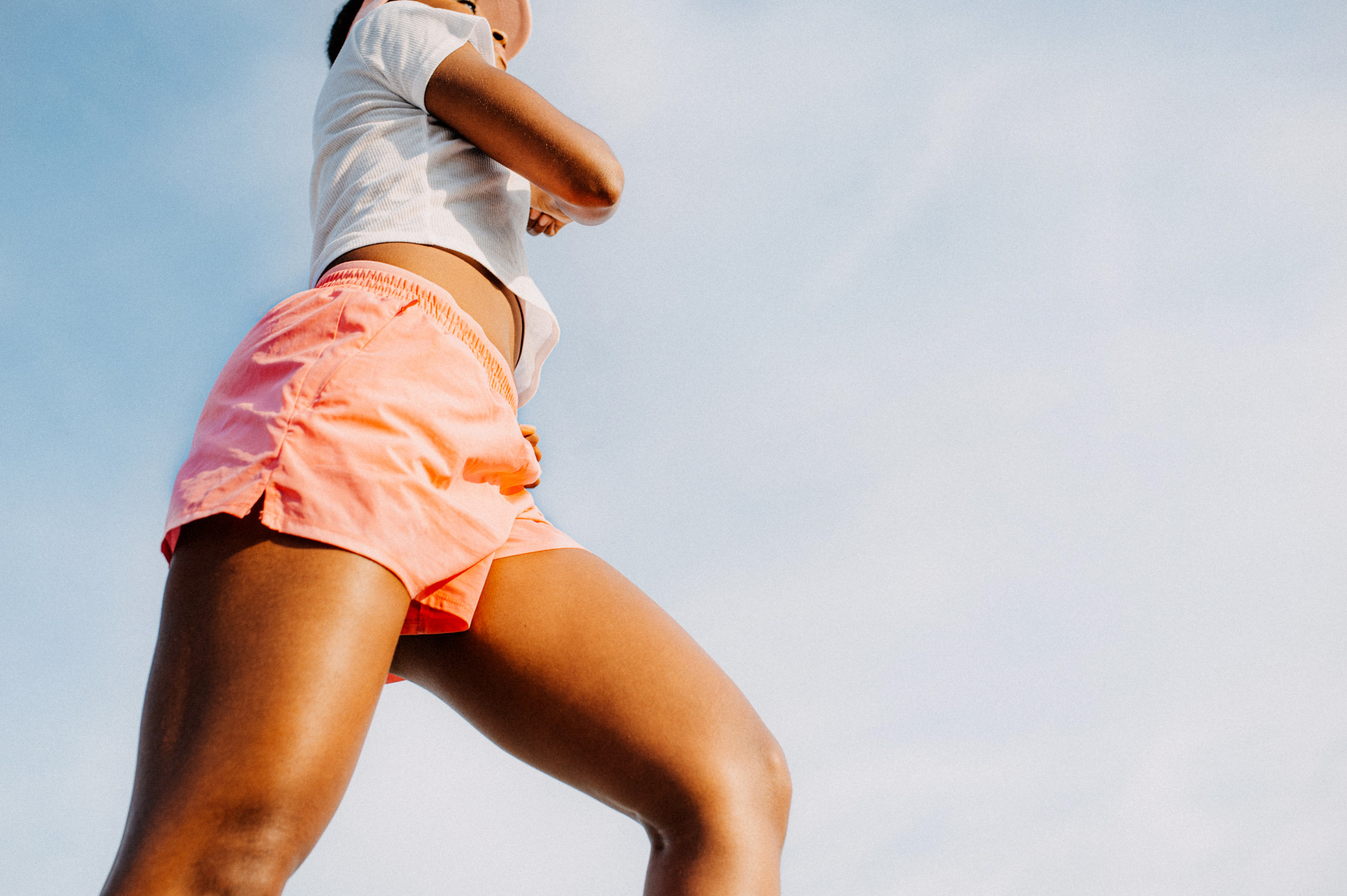
Try this: Warm-up for walking and running
A three-step routine of leg swings, hip circles, and foot rolls can help prepare muscles and joints for running and walking and reduce the risk of soreness.
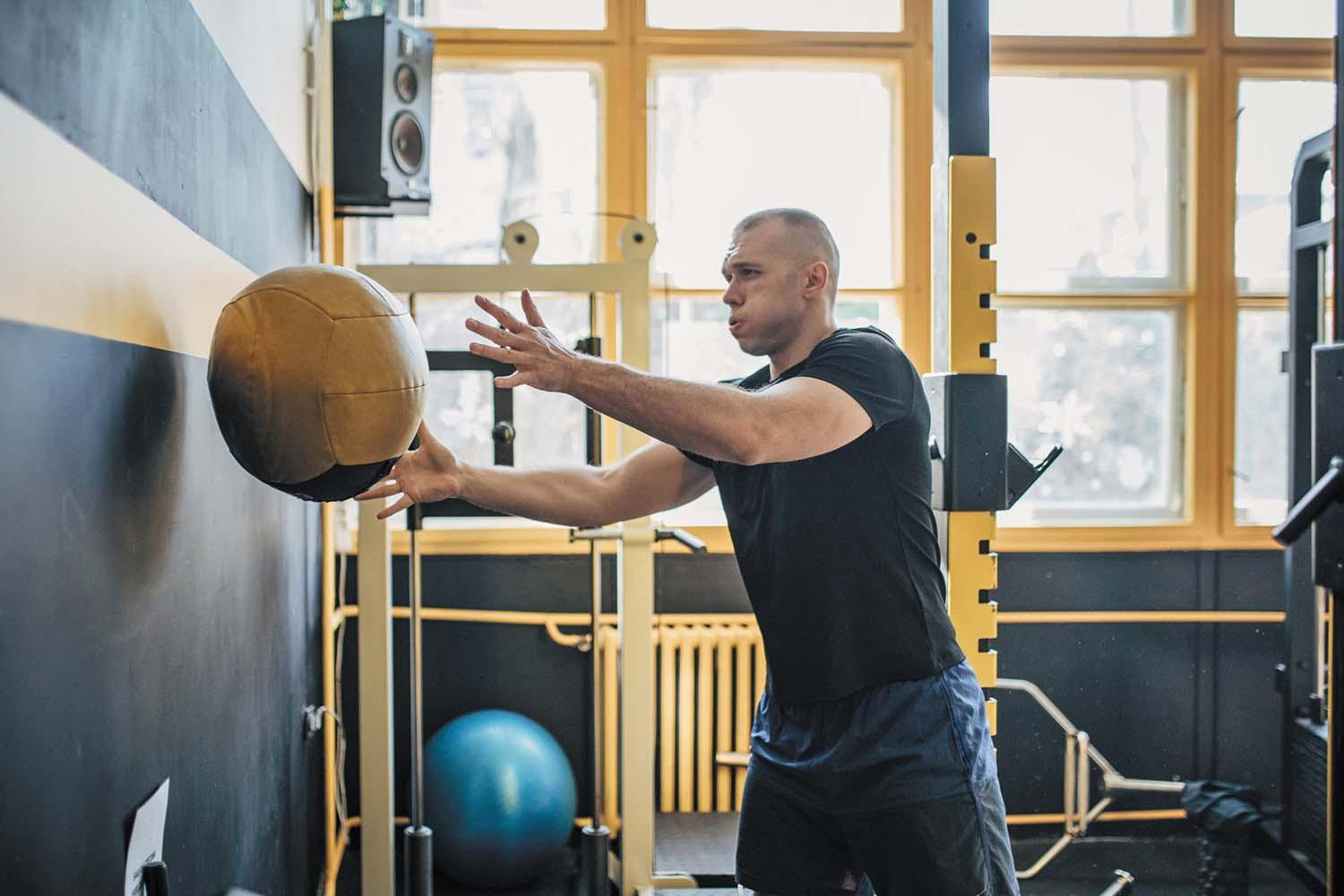
Power play
Power is the ability to generate a large amount of force in a short amount of time. It can help people to properly and safely execute many everyday movements, such as climbing stairs, lifting and carrying heavy objects, twisting, pulling, and throwing. Power also improves movement efficiency and reaction time, helping to prevent injuries from falls. Increasing overall muscle mass with regular strength training and doing plyometric exercises and explosive moves using a medicine ball can help build power.
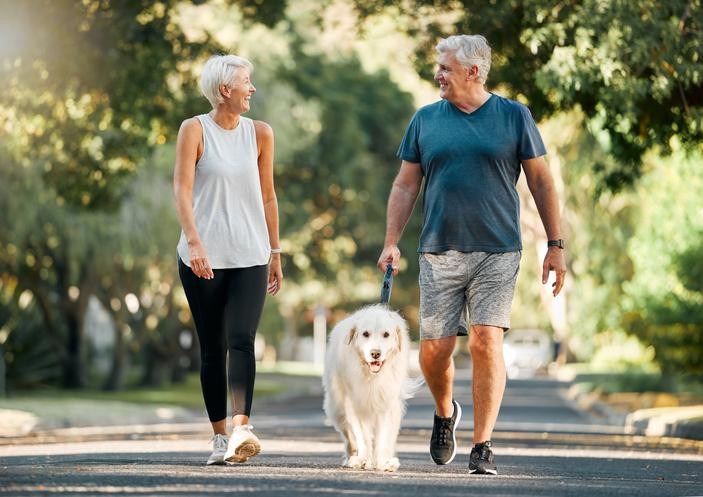
Timing and consistency of activity linked to better fitness
A 2025 study found that exercising earlier in the day (before 1 p.m.) offered more benefits like better lung and heart health and walking efficiency compared with exercising later in the day (after 4 p.m.).
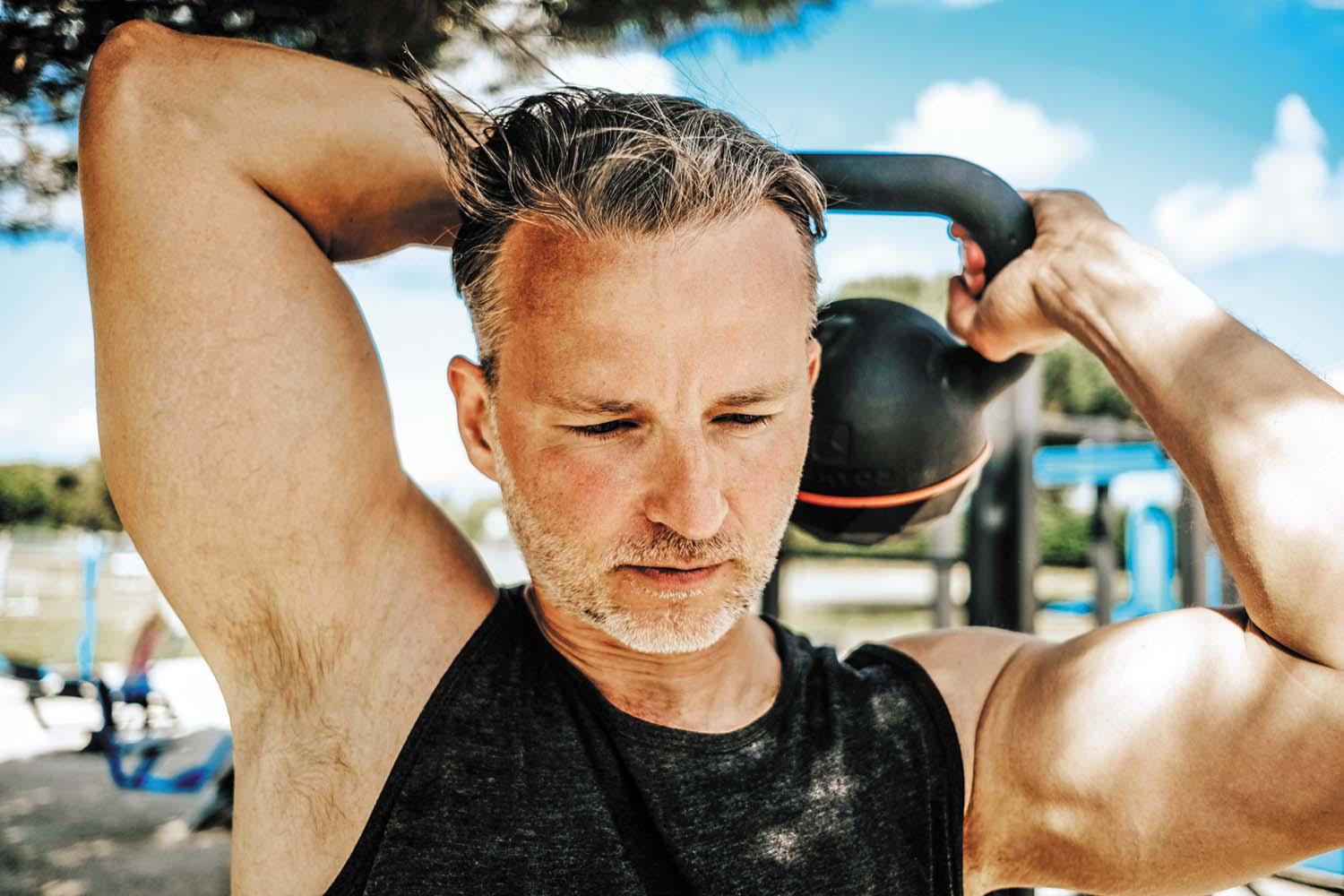
Coming full circle
Shoulder mobility is crucial for safely reaching overhead, carrying heavy items, and engaging in sports such as golf, tennis, and pickleball. Halos are one of the best exercises for improving shoulder mobility, flexibility, and strength. They can be performed with a kettlebell, a dumbbell, or even a heavy book. Halos are done by holding the weight with both hands and rotating it around the head in a circular motion, first in one direction and then the other, as if drawing a halo over the head.

Weight training may protect the brain from cognitive decline
A small 2025 study found that older adults who did six months of weight training improved their ability to recall recent events and information. They also had had less brain shrinkage in regions affected by Alzheimer's disease, compared with people who did not do the training.
Light exposure at night may raise risk for heart disease
Whole grains may improve several heart risk factors at once
A lumbar belt may help ease low back pain
Children of centenarians may stay healthier and live longer too, study finds
Signs of pneumonia: Sometimes vague and unexpected
The surprising link between ovarian cancer and the fallopian tubes
Using a vibration plate: What it can — and can't — do for your body
People who walk more or walk faster live longer, study finds
For sleep apnea, a dental device may be as effective as CPAP
Rosacea treatments: What works?
Free Healthbeat Signup
Get the latest in health news delivered to your inbox!
Sign Up
