

Healing after food poisoning

What is tempeh? Benefits, nutrition, and how to use it

Light exposure at night may raise risk for heart disease

Whole grains may improve several heart risk factors at once

A lumbar belt may help ease low back pain

Children of centenarians may stay healthier and live longer too, study finds

Signs of pneumonia: Sometimes vague and unexpected

The surprising link between ovarian cancer and the fallopian tubes

Using a vibration plate: What it can — and can't — do for your body

People who walk more or walk faster live longer, study finds
Balance Archive
Articles

Exercising when you have a heart condition
For people with all types of cardiovascular disease, regular exercise helps prevent the disease from getting worse. Even very short exercise stints can make a difference. Many people with heart disease qualify for cardiac rehabilitation, which includes an exercise stress test that shows how your heart and body respond to exertion. The results can inform recommendations for safe, effective physical activity.

Age and muscle loss
As the years pass, muscle mass in the body generally shrinks, and strength and power decline. The process begins earlier than you might think.

What's the minimum amount of exercise I need each week?
A 2022 study involving 72,000 people suggested that those who did even 15 minutes of vigorous activity per week had a 17% lower risk of death from any cause and death from cancer, compared with people who were inactive. With about 50 minutes per week, death from any cause was reduced by 36%. The reduction in risk of death from all causes, and death from cancer, was greatest in the first 40 minutes of vigorous physical activity per week.

Move of the month: Arm curls
Arm curls, which strengthen your biceps, can be done with dumbbells or household items such as cans of soup or water bottles.
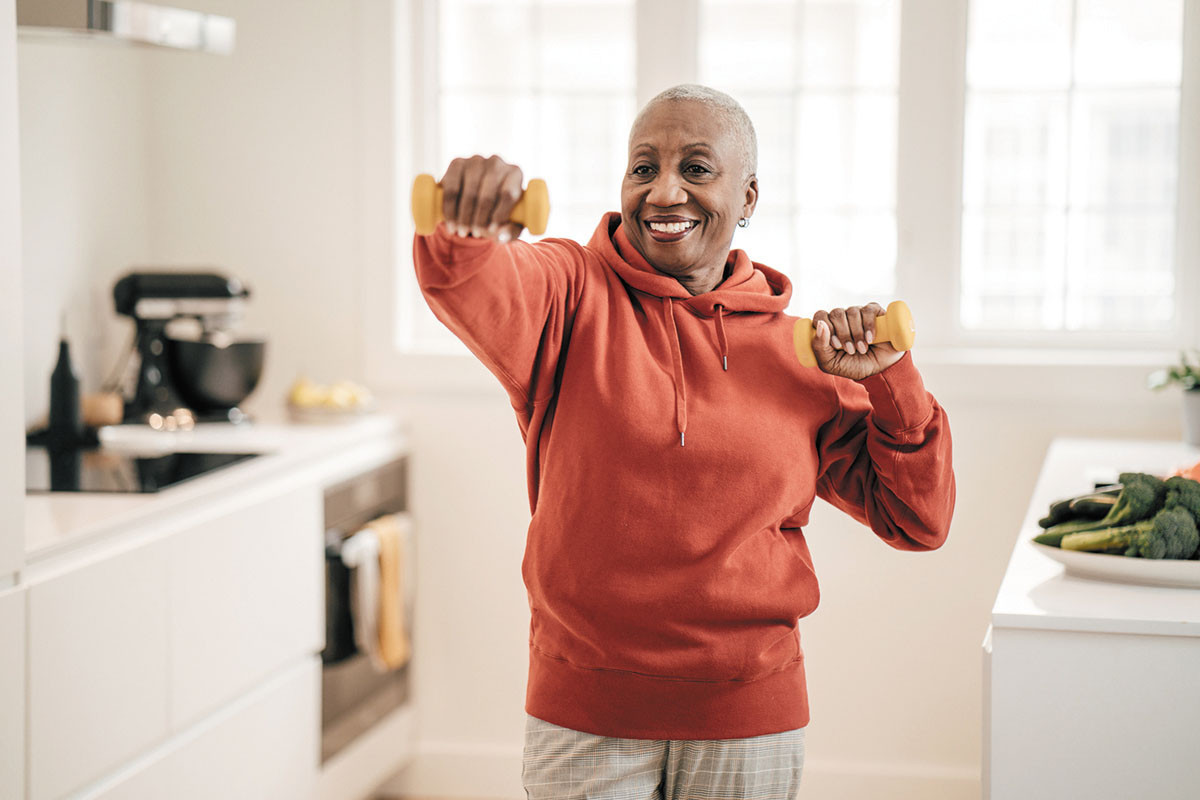
Adding strength training to aerobic exercise may fuel longevity
A 2022 study found that people who did at least two sessions of strength training as well as 2.5 hours of moderate-to-vigorous aerobic activity each week were 30% less likely to die during an eight-year study period, compared with people who did less strength training.

Reclaim your pre-pandemic function
Many people have become deconditioned and lost some physical function as a result of inactivity during the pandemic. This may be causing them to change their habits, patterns, and activities because they don't think they can do them or don't feel like doing them anymore. People who've lost physical function as a result of inactivity can take several steps to get function back. Examples include setting goals, tracking activity, getting help from a physical therapist, adding weight training to an exercise regimen, exercising with a friend, and not giving up.

The many ways exercise helps your heart
Aerobic and muscle-building exercises can trigger physiological changes that improve blood vessels and metabolism in ways that help prevent all the major risk factors that contribute to heart disease. These include high blood pressure, diabetes, obesity, and unhealthy cholesterol levels. Exercise can also improve mental health problems such as depression and stress, which are common but underrecognized risks for heart disease.

Reviewing your wellness portfolio
As with a financial portfolio, older adults should routinely review their wellness portfolio to ensure their health investments meet their short-and long-term goals. Working with their doctor, personal trainer, and nutritionist, they can identify areas that require changes and implement new strategies. Older men often don't make investments in strength training, balance, and their mental health, but should.

Americans' use of prescription sleep medications drops dramatically
A 2022 study found a 31% reduction in Americans' use of prescription sleep aids from 2013 to 2018. The drop-off was even sharper among people 80 and older, who were 86% less likely to use FDA-approved sleep drugs by the end of the study period.
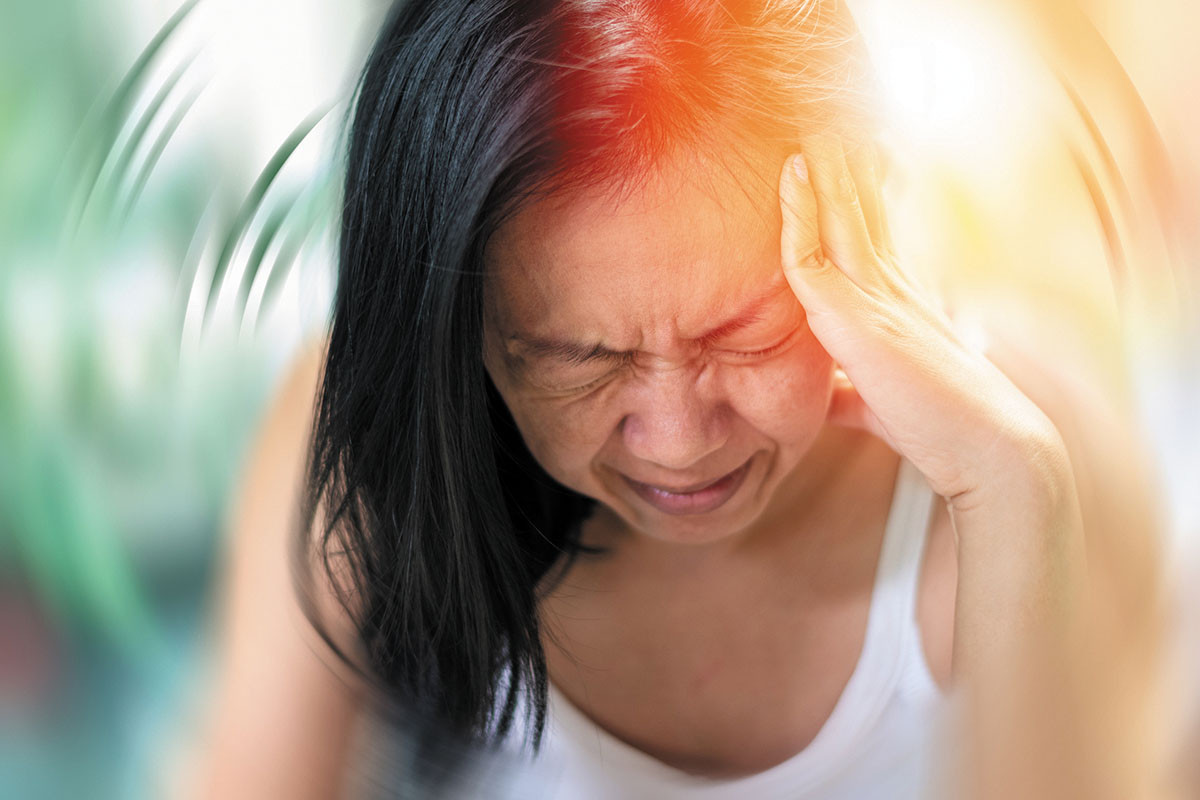
How can I tell if I have a concussion?
Concussions occur when the brain bumps or twists inside the skull after a blow to the head. Signs of concussion include headache, eye pain or fatigue, neck pain or stiffness, imbalance, impaired depth perception, difficulty remembering, or sleep pattern changes.
Healing after food poisoning
What is tempeh? Benefits, nutrition, and how to use it
Light exposure at night may raise risk for heart disease
Whole grains may improve several heart risk factors at once
A lumbar belt may help ease low back pain
Children of centenarians may stay healthier and live longer too, study finds
Signs of pneumonia: Sometimes vague and unexpected
The surprising link between ovarian cancer and the fallopian tubes
Using a vibration plate: What it can — and can't — do for your body
People who walk more or walk faster live longer, study finds
Free Healthbeat Signup
Get the latest in health news delivered to your inbox!
Sign Up
