

Healing after food poisoning

What is tempeh? Benefits, nutrition, and how to use it

Light exposure at night may raise risk for heart disease

Whole grains may improve several heart risk factors at once

A lumbar belt may help ease low back pain

Children of centenarians may stay healthier and live longer too, study finds

Signs of pneumonia: Sometimes vague and unexpected

The surprising link between ovarian cancer and the fallopian tubes

Using a vibration plate: What it can — and can't — do for your body

People who walk more or walk faster live longer, study finds
Balance Archive
Articles

Don't let muscle mass go to waste
Age-related muscle loss is a natural part of getting older. But muscle loss can occur faster after an injury, illness, or any prolonged period of inactivity, leading to muscle atrophy. The consequences can mean overall weakness, poor balance, and even frailty. The good news is that it's possible to rebuild lost muscle through a comprehensive program that includes physical therapy, strength training, cardio, flexibility, and a nutrition plan that includes more protein and calories.

Extra support for better health
A variety of coaches can help people reach their particular health goals. Health and wellness coaches inspire and guide clients to shift their mindset and develop new, healthy behaviors. Fitness professionals—such as personal trainers or exercise physiologists—develop and prescribe exercise regimens to help clients. Dietitians develop eating plans tailored to clients’ needs, such as weight loss or gain, or preventing or treating chronic disease. And culinary coaches use coaching principles and cooking expertise to teach people how to shop for and prepare healthy meals.

Crucial ways you can support a healthy immune system
There’s no evidence that maintaining a healthy lifestyle will suddenly boost the immune system. However, it’s clear that healthy lifestyle habits contribute to overall health, supporting the body’s ability to fight infections instead of creating new problems. Healthy habits that help maintain a robust immune system include getting seven to nine hours of sleep per night, exercising, reducing stress, eating a healthy diet, not smoking, drinking alcohol only in moderation, maintaining a healthy weight, and getting underlying conditions under control.

Step up your walking fitness
People who walk for their primary form of exercise, or even just for recreation, need to make sure they stay in good walking shape to avoid injuries and improve their endurance. Adopting a cross-training routine that focuses on strengthening the legs, hips, and core can keep walkers in tip-top shape.

The BEEP program: Keep your balance
As people get older, the complex system that helps them maintain balance does not work as effectively, increasing the risk of a fall. A study found that specific exercises can improve balance in older adults.

Finding balance: 3 simple exercises to steady your steps
Being able to maintain balance is crucial to performing everyday activities. As people get older, systems in the body that help maintain balance aren't as responsive as when they were younger. Practicing these exercises designed to improve balance helps build steadiness and prevent falls.

Safe, joyful movement for people of all weights
A new study finds that many people with obesity avoid exercising because they fear their weight makes injury more likely. But everyone, at every weight, can find ways to exercise safely, confidently, and joyfully.

Adding yoga to aerobic exercise may help lower high blood pressure
Adding 15 minutes of yoga to regular exercise sessions can help people lower their high blood pressure more than just doing exercise and basic muscle stretching.

Taking up adaptive sports
People with disabilities or physical limitations can still stay active and get the recommended amount of exercise by participating in adaptive sports and activities. These often run parallel to traditional endeavors but are modified to support an individual's needs. Popular choices include cycling, skiing, archery, kayaking, rowing, tennis, bowling, swimming, basketball, and golf.
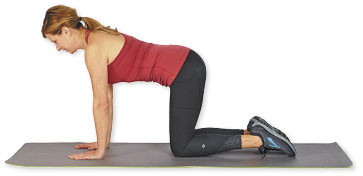
Move of the month: Opposite arm and leg raise
The core muscles include those of the abdomen, lower back, front of hips, and spine. Many popular sports such as cycling, golf, tennis, and swimming depend on a stable, flexible core.
Healing after food poisoning
What is tempeh? Benefits, nutrition, and how to use it
Light exposure at night may raise risk for heart disease
Whole grains may improve several heart risk factors at once
A lumbar belt may help ease low back pain
Children of centenarians may stay healthier and live longer too, study finds
Signs of pneumonia: Sometimes vague and unexpected
The surprising link between ovarian cancer and the fallopian tubes
Using a vibration plate: What it can — and can't — do for your body
People who walk more or walk faster live longer, study finds
Free Healthbeat Signup
Get the latest in health news delivered to your inbox!
Sign Up
