

Healing after food poisoning

What is tempeh? Benefits, nutrition, and how to use it

Light exposure at night may raise risk for heart disease

Whole grains may improve several heart risk factors at once

A lumbar belt may help ease low back pain

Children of centenarians may stay healthier and live longer too, study finds

Signs of pneumonia: Sometimes vague and unexpected

The surprising link between ovarian cancer and the fallopian tubes

Using a vibration plate: What it can — and can't — do for your body

People who walk more or walk faster live longer, study finds
Balance Archive
Articles

Ready, set, hike!
Hiking continues to be one of the safest activities people can enjoy during COVID because it is done outside and away from confined group settings. The outdoor adventure also is one of the best exercises for both body and mind, as it can improve lower-body strength and endurance, increase balancing skills that can protect against falls, lower levels of stress and anxiety, and reduce the risk of depression.

Keep exercise-related injuries from derailing your workouts
Exercise-related injuries are often preventable using a combination of strategies, such as warming up before an exercise session, increasing workout intensity gradually, opting for low-impact options, and performing exercises using the proper body position. Changing up the choice of activities can help people avoid repetitive strain injuries associated with focusing on a single sport, such as golfer's elbow, tennis elbow, and iliotibial band syndrome, which causes pain along the outside of the knee.

Tune in to better video workouts
The pandemic has increased the number of video workouts available to homebound exercisers. Many fitness centers routinely offer livestreamed classes, and exercise videos are readily accessible online. While video workouts are still a great option for those who are not ready to return to the gym or who want an alternative and fun way to exercise, people should follow some basic guidelines to ensure they get the most from their online experience.

Reduce your fear of falling
The fear of falling can lead to a heightened sense of caution and less physical activity—which can actually increase the risk of falling. To reduce the fear of falling, a person must address underlying conditions, such as poor eyesight or joint problems. It also helps to work with a physical therapist to improve balance, gait (walking pattern), muscle strength, flexibility, and range of motion. When physical therapy ends, one must continue doing strength, stretching, and balance exercises at home in order to keep fear at bay and reduce fall risk.

Tips for choosing walking shoes
Experts suggest people replace their walking shoes every 300 to 500 miles. For the best selection and advice, people should consider shopping at a specialty running store that also sells walking shoes. Other tips for choosing comfortable, supportive shoes include looking for low-heeled shoes that bend easily at the ball of the foot and have wiggle room at the toes.

High levels of proteins may explain how exercise boosts the brain
A 2022 study examined the brains of older adults after they died, and found that those who had stayed the most active late in life had higher amounts of synaptic proteins. These proteins improve the connections between the brain's nerve cells.

Warming up to the cold: Staying active in any weather
It's difficult to get motivated to be active outside during cold-weather months, but it's important to your health and can help you meet any fitness goals you're trying to reach. There are ways to get outside and moving in cold temperatures.

Should I keep exercising if I can't lose weight?
Exercising is crucial for good health, even if exercising doesn't help a person get down to a healthy weight. Exercising reduces the risk of high blood pressure, high cholesterol, high blood sugar levels, heart disease, stroke, diabetes, Alzheimer's disease, and premature death. If someone is overweight and unfit, the risk of premature death is double the risk of someone who is the same age and sex, and is overweight but fit.
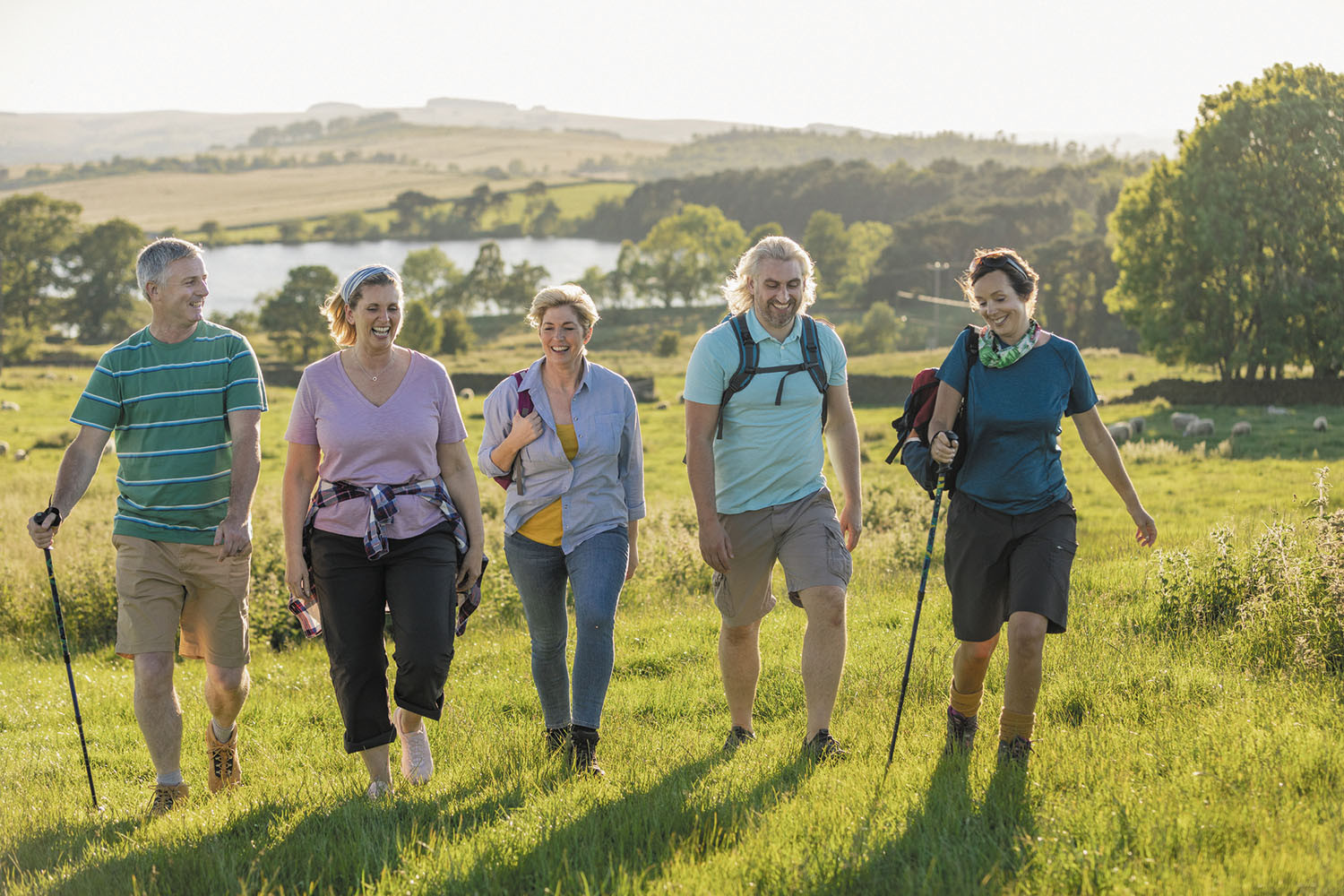
Hike your way to better health
Hiking is similar to walking but can be more challenging and can provide a nice change of pace. Walking over uneven terrain typically burns more calories than a walk on a flat surface. It also builds muscle strength and improves balance. A wilderness walk also brings mental health benefits. Choosing a path to a scenic destination may motivate people to go farther and climb higher and increase fitness gains.

Dealing with dizziness
Many people experience dizziness, or a feeling of being woozy or lightheaded, from time to time. In most instances it's triggered by a minor underlying problem, such as dehydration, a medication, or blood pressure fluctuations. Only rarely is dizziness caused by something more serious, such as a heart rhythm disturbance or stroke. However, even if dizziness isn't caused by something serious, it can lead to a dangerous fall, so it's important to prevent these episodes when possible. People should get emergency help for dizziness that is long-lasting, severe, or accompanied by other symptoms, such as difficulty walking or numbness.
Healing after food poisoning
What is tempeh? Benefits, nutrition, and how to use it
Light exposure at night may raise risk for heart disease
Whole grains may improve several heart risk factors at once
A lumbar belt may help ease low back pain
Children of centenarians may stay healthier and live longer too, study finds
Signs of pneumonia: Sometimes vague and unexpected
The surprising link between ovarian cancer and the fallopian tubes
Using a vibration plate: What it can — and can't — do for your body
People who walk more or walk faster live longer, study finds
Free Healthbeat Signup
Get the latest in health news delivered to your inbox!
Sign Up
