

CoQ10: Should you take this popular supplement if you're on a statin?

Oat vs. dairy milk: Nutrition, benefits, and downsides

Microplastics: A hidden health threat?

Healing after food poisoning

What is tempeh? Benefits, nutrition, and how to use it

Light exposure at night may raise risk for heart disease

Whole grains may improve several heart risk factors at once

A lumbar belt may help ease low back pain

Children of centenarians may stay healthier and live longer too, study finds

Signs of pneumonia: Sometimes vague and unexpected
Anxiety Archive
Articles

Skip vitamins, focus on lifestyle to avoid dementia
News briefs
Vitamins and supplements won't help stave off dementia, but a healthy lifestyle might, suggest new guidelines released May 19, 2019, by the World Health Organization (WHO). The WHO warns that the number of new dementia cases around the world — currently 10 million per year — is set to triple by 2050. While there's no cure for any kind of dementia (such as Alzheimer's disease and vascular dementia), the WHO says it may be possible to delay the onset of the disease or slow its progression. The key: managing modifiable risks, such as chronic disease and unhealthy habits. The guidelines recommend that you keep your weight, cholesterol, blood pressure, and blood sugar under control; get lots of exercise; and eat a Mediterranean-style diet (which emphasizes olive oil, fruits, vegetables, nuts, and fish; minimizes red meats and processed meats; and includes a moderate amount of cheese and wine). The WHO also advises that you don't smoke and you avoid harmful use of alcohol (no more than one drink per day for women, no more than two drinks for men). But don't count on supplements to help you stave off dementia. The WHO says there's no evidence that vitamin B, vitamin E, multivitamins, or fish oil supplements help reduce the risk for dementia. The agency recommends against using supplements as a means to ward off cognitive decline.
Image: © kali9/Getty Images

Long-lasting grief when close friends pass
News briefs
Losing a loved one is never easy, and sometimes it can take years to grieve for a partner, parent, or child. That grief often comes with adverse health effects, such as stress, depression, insomnia, high blood pressure, and heart problems. But long-lasting grief doesn't come only from a family member's death, suggests a study published online April 4, 2019, by PLOS One. Researchers evaluated questionnaire responses from about 9,600 people who'd lost close friends and found this type of grief can last up to four years. Women in the study were particularly hard hit by loss of a close friend, experiencing more problems with mental, emotional, and social health than men. Study authors say the passing of a close friend should be considered a substantial experience that warrants help (like a support group) to minimize the negative effects of grief.
Our take: Grief of any kind poses a health risk, whether it's due to the loss of someone dear or a dramatic change in life, such as a job loss or a move to a new city. During such times, be especially vigilant about reporting disturbing new symptoms to your doctor.

Get the facts about memory loss
Many conditions can affect your memory and thinking.
Dementia, Alzheimer's disease, mild cognitive impairment. These terms are often mentioned together to describe age-related memory loss. While they are linked in some ways, they are not necessarily the same, and they often affect people differently.
"Even though memory loss is more common as you age, it is not part of normal aging," says Dr. Gad Marshall, associate medical director of the Center for Alzheimer Research and Treatment at Harvard-affiliated Brigham and Women's Hospital. "Either sudden or gradual persistent changes in memory loss and mental lapses can be signs of more serious conditions."

What can you do to avoid Alzheimer’s disease?
How a healthy lifestyle can make a difference in Alzheimer’s prevention.
Alzheimer's disease, the most common form of dementia, is characterized by the accumulation of two types of protein in the brain: tangles (tau) and plaques (amyloid-beta). Eventually, Alzheimer's kills brain cells and takes people's lives.
Alzheimer’s causes
What causes Alzheimer's? We still aren't sure. "For 1% of all cases, there are three genes that determine definitively whether or not you will have Alzheimer's, and all three relate to amyloid-beta production, which in these cases is likely the cause of Alzheimer's," says Dr. Gad Marshall, associate medical director of clinical trials at the Center for Alzheimer Research and Treatment at Harvard-affiliated Brigham and Women's Hospital. "For the other 99%, amyloid and tau are closely associated with Alzheimer's, but many things may contribute to the development of symptoms, such as inflammation in the brain, vascular risk factors, and lifestyle."

DNA testing forever changed donor conception
DNA testing kits can upend identity and spark a multitude of questions for some children conceived with donor sperm and parents who hadn’t shared origin stories.

Pill-free treatment for urinary incontinence
News briefs
Here's some relief for people with urinary incontinence who don't want to take pills to treat the problem: behavioral therapy (bladder training) works better for urinary incontinence than medication, according to a study published online March 18, 2019, by Annals of Internal Medicine. Researchers reviewed 84 randomized trials of women (average age 55). The studies evaluated 14 categories of incontinence treatments, including pill-free therapy and medications such as anticholinergic drugs — for example, oxybutynin (Ditropan). Most of the strategies (except taking hormones or getting injections of a bulking agent near the urethra) were more effective than doing nothing to treat incontinence. But for both stress incontinence (the kind that makes you leak when you laugh) and urge incontinence (the kind that makes you rush to the bathroom), behavioral therapy was the most effective treatment, beating medications and neuromodulation (electrical stimulation of the nerves that control the bladder). The catch: it takes practice to make behavioral therapy effective. But it may be worth the effort, since medications for incontinence often have side effects.

Rehiring your business mind
The three Ms — mindfulness, meditation, and mantras — sharpen work-related soft skills and improve your memory.
Think back to how your mind operated during your work career. Your mental skills were divided into two types: hard and soft. Hard skills related to the technical knowledge you needed to perform a specific job. Soft skills consisted of everyday thinking, like making decisions, being a good listener, and having a positive attitude.
You might not need hard skills as much now, but maintaining soft skills will always be valuable.

A 20-minute nature break relieves stress
In the journals
Spending just 20 minutes connecting with nature can help lower stress hormone levels, according to a study in the April 4, 2019, Frontiers in Psychology. Previous research has shown that interacting with nature reduces stress, but it is not clear how long and how often the engagement needs to be, or even what kind of nature experience is best.
Here, researchers asked 36 people to spend 10 minutes or longer, three days a week for eight weeks, in an outdoor place where they could interact with nature. The settings varied from yards to public parks to green areas near their place of work. They also either walked or sat during their nature time.

Regular exercise adds up to big memory boosts
In the journals
It's well known that regular exercise helps maintain brain function. New research finds that brain activity increases and memory improves immediately after even a short, single bout of exercise.
And the more exertion you put into that exercise, the greater the improvements. In addition, whatever level of exertion you're able to achieve on that single exercise predicts how much brain boost you'll get if you continue to exercise at the same intensity over a longer term. These findings were presented at the Cognitive Neuroscience Society's annual meeting on March 24, 2019. Researchers recruited 34 people, average age 67, and gave each a baseline functional MRI (fMRI) scan, which reflects brain activity, and a memory test in which they had to remember faces. The researchers then asked the participants to exercise for 20 minutes on a stationary bike that could measure their physical effort.
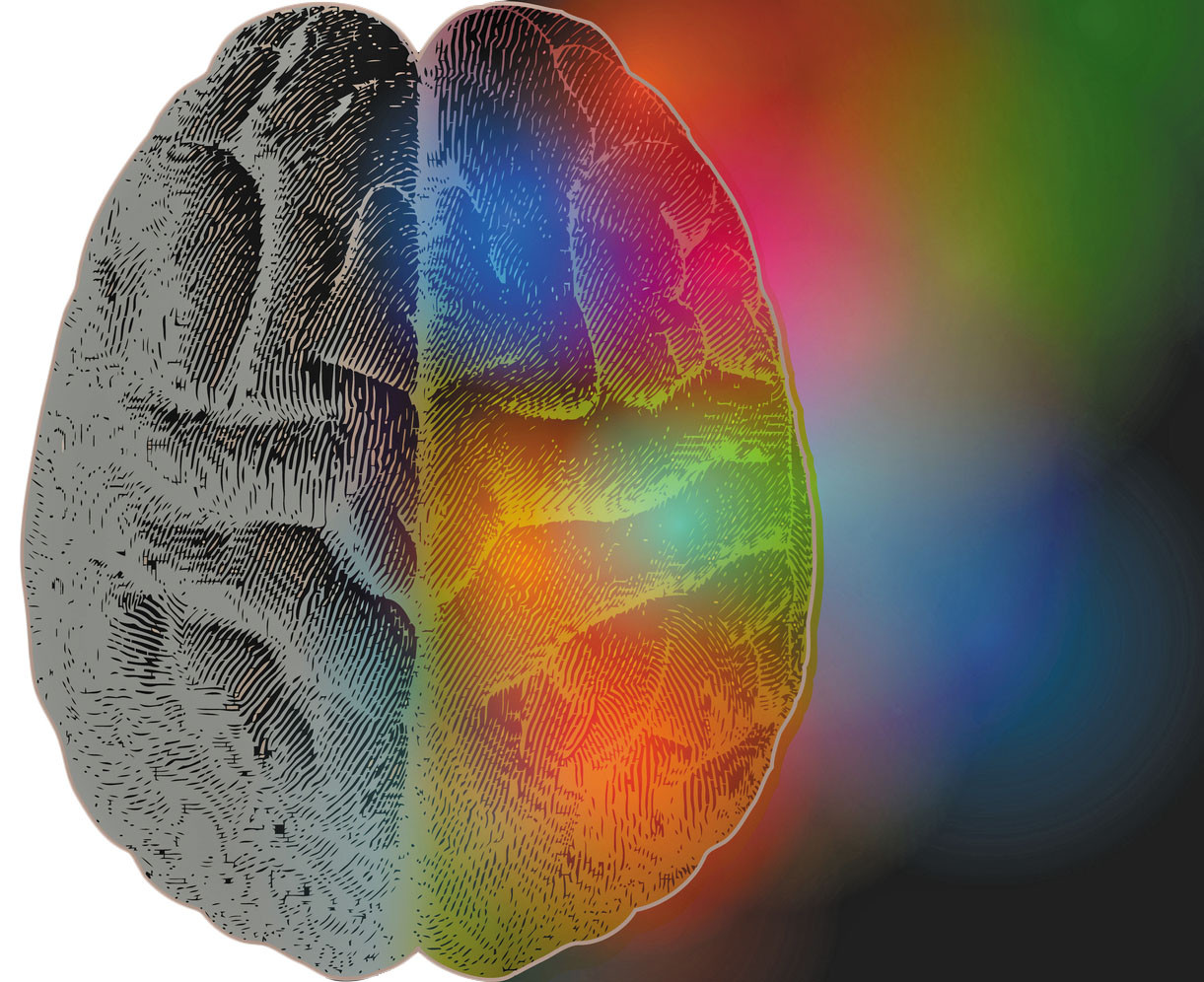
An underused option for severe depression
A new study supports the use of noninvasive brain stimulation in people with severe depression who haven't responded to medication.
If medication isn't helping to ease severe depression, nonsurgical brain stimulation may be an effective alternative to consider, according to a study published online March 27 by The BMJ. Specifically, the study found that evidence seems to back the use of repetitive transcranial magnetic stimulation (rTMS) and electroconvulsive therapy (ECT) over other, newer brain stimulation therapies.
"Many psychiatrists are unaware of these techniques, or at least don't think to recommend them for their patients," says Dr. Daniel Press, associate professor of neurology at Harvard Medical School and the clinical director for the Berenson-Allen Center for Noninvasive Brain Stimulation at Beth Israel Deaconess Medical Center. "So, studies like this are helpful in raising the banner and reminding people that these are very effective options for a large percentage of people."
CoQ10: Should you take this popular supplement if you're on a statin?
Oat vs. dairy milk: Nutrition, benefits, and downsides
Microplastics: A hidden health threat?
Healing after food poisoning
What is tempeh? Benefits, nutrition, and how to use it
Light exposure at night may raise risk for heart disease
Whole grains may improve several heart risk factors at once
A lumbar belt may help ease low back pain
Children of centenarians may stay healthier and live longer too, study finds
Signs of pneumonia: Sometimes vague and unexpected
Free Healthbeat Signup
Get the latest in health news delivered to your inbox!
Sign Up
