

CoQ10: Should you take this popular supplement if you're on a statin?

Oat vs. dairy milk: Nutrition, benefits, and downsides

Microplastics: A hidden health threat?

Healing after food poisoning

What is tempeh? Benefits, nutrition, and how to use it

Light exposure at night may raise risk for heart disease

Whole grains may improve several heart risk factors at once

A lumbar belt may help ease low back pain

Children of centenarians may stay healthier and live longer too, study finds

Signs of pneumonia: Sometimes vague and unexpected
Anxiety Archive
Articles

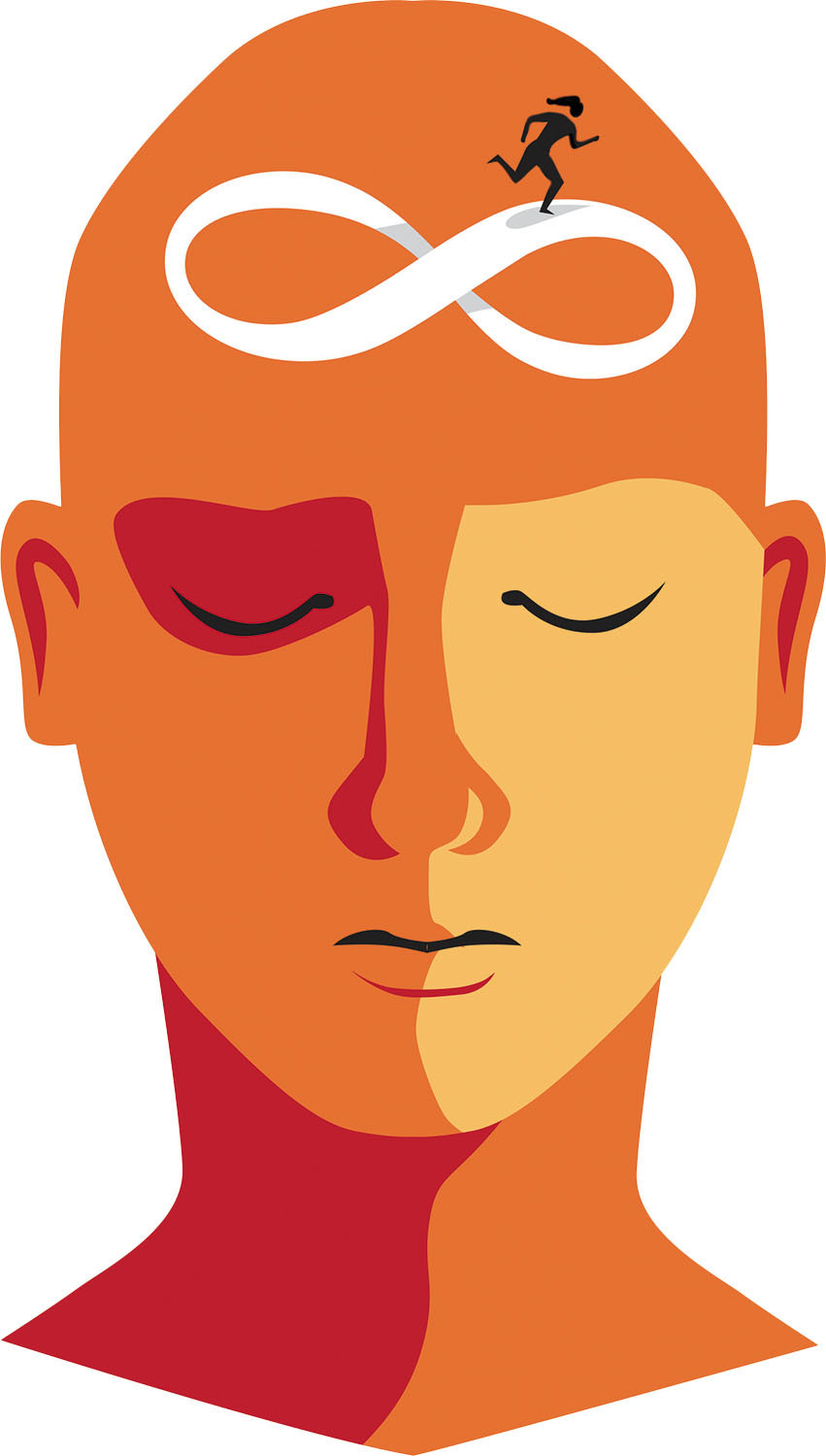
Managing intrusive thoughts
Intrusive thoughts are unwanted thoughts or mental images that make people feel uncomfortable. They're common, affecting some six million Americans and can be effectively managed using tools such as cognitive behavioral therapy. They can be associated with mental health disorders such as obsessive-compulsive disorder or post-traumatic stress disorder, but many people who experience them don't meet the criteria for a mental health disorder. The thoughts may be triggered by stress or anxiety.

How well do you worry about your health?
It's impossible to never worry about your health - but are you worrying about the right things? Popular fears and Google and TikTok searches suggest our top concerns may bypass common health issues. So what should concern us and what can we do about it?

Ever worry about your gambling?
Recent changes in laws have made gambling widely accessible and popular. Uncontrolled gambling can have many kinds of consequences, some quite serious. A simple screening test for problem gambling and knowing the range of available resources can help people ward off the worst of these issues.


Too much TV might be bad for your brain
A 2023 study suggests excessive TV-watching, defined as four or more hours a day, is associated with higher risk of developing brain-based disorders such as dementia, depression, and Parkinson's disease.

Not just good for the soul
Forgiveness is defined by replacing ill will toward an offender with goodwill. A 2023 study suggests forgiveness boosts mental health by reducing depression and anxiety levels. Other evidence suggests physical benefits as well. Studies indicate forgiveness also eases stress, improves sleep, and lowers blood pressure and heart rate. Being unable to forgive can raise blood pressure, which can affect overall heart health. Some people are innately better at forgiving, but Harvard experts say all people can learn skills that help them forgive.

Fighting fatigue
Fatigue is a common symptom that can be caused by a whole host of factors, from medical conditions to stress and poor sleep. In order to ease ongoing fatigue, it's important to investigate and treat the underlying cause. Fatigue that doesn't respond to interventions or is severe or persistent should be brought to the attention of a doctor. It may be caused by a medical condition.

Does sleeping with an eye mask improve learning and alertness?
Our internal clocks regulate the sleep-wake cycle, and light establishes when we should feel wakeful or sleepy. Light exposure at night affects these natural processes, so researchers studied whether wearing an eye mask while sleeping might help learning and alertness.

Ketamine for treatment-resistant depression: When and where is it safe?
Ketamine has been used for decades as an anesthetic, and in 2019 an inhaled version of it was approved by the FDA for treatment-resistant depression. But it is generally prescribed only when other treatments have not been effective.
CoQ10: Should you take this popular supplement if you're on a statin?
Oat vs. dairy milk: Nutrition, benefits, and downsides
Microplastics: A hidden health threat?
Healing after food poisoning
What is tempeh? Benefits, nutrition, and how to use it
Light exposure at night may raise risk for heart disease
Whole grains may improve several heart risk factors at once
A lumbar belt may help ease low back pain
Children of centenarians may stay healthier and live longer too, study finds
Signs of pneumonia: Sometimes vague and unexpected
Free Healthbeat Signup
Get the latest in health news delivered to your inbox!
Sign Up
