

CoQ10: Should you take this popular supplement if you're on a statin?

Oat vs. dairy milk: Nutrition, benefits, and downsides

Microplastics: A hidden health threat?

Healing after food poisoning

What is tempeh? Benefits, nutrition, and how to use it

Light exposure at night may raise risk for heart disease

Whole grains may improve several heart risk factors at once

A lumbar belt may help ease low back pain

Children of centenarians may stay healthier and live longer too, study finds

Signs of pneumonia: Sometimes vague and unexpected
Alzheimer's Disease Archive
Articles

Pick up the pace for better walking with peripheral artery disease

Man's best friend — and medicine's too?

Easing summer swelling

COVID-related loss of smell may be associated with mental health risks

Fostering healthy relationships

How can you manage anxiety during pregnancy?
During pregnancy it's completely normal to experience a certain amount of anxiety about the baby, giving birth, and becoming a new parent. But for some women this worry takes over their thoughts and becomes debilitating. There are treatments available that may or may not involve medication, depending on the individual situation.

Not yet ready for cataract surgery? Try these tips
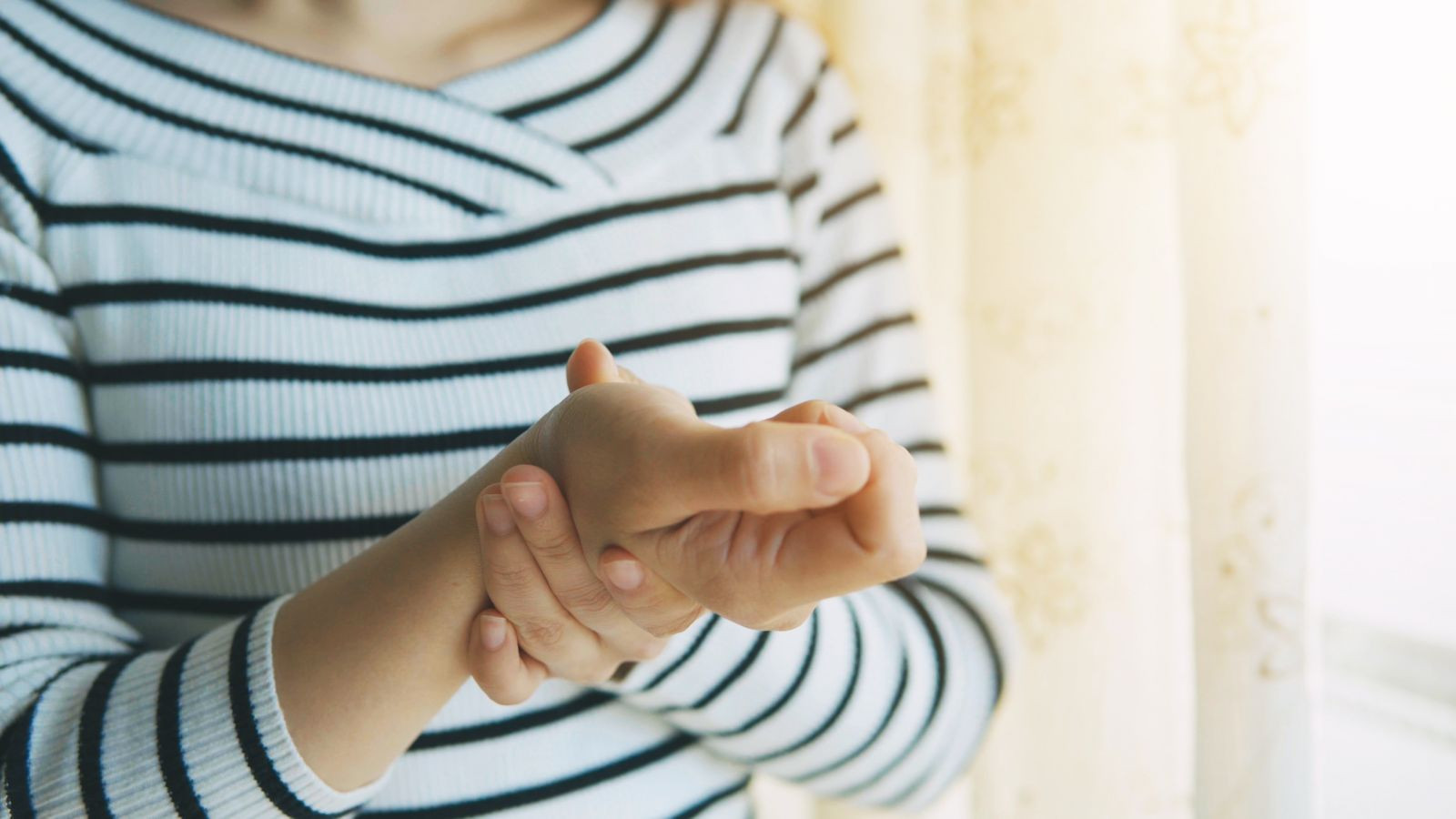
Tendon trouble in the hands: de Quervain's tenosynovitis and trigger finger
Painful conditions like de Quervain's tenosynovitis, inflammation of the tendons that move the thumb, and stenosing tenosynovitis, or trigger finger, when a digit becomes locked, can develop due to overuse or repetitive movement.

Back to the future: Psychedelic drugs in psychiatry

By the way, doctor: Is it okay to take a stool softener long-term?
I have been taking a stool softener daily for two months. It's helped with my constipation. Are there any risks to taking a stool softener on a long-term basis?
CoQ10: Should you take this popular supplement if you're on a statin?
Oat vs. dairy milk: Nutrition, benefits, and downsides
Microplastics: A hidden health threat?
Healing after food poisoning
What is tempeh? Benefits, nutrition, and how to use it
Light exposure at night may raise risk for heart disease
Whole grains may improve several heart risk factors at once
A lumbar belt may help ease low back pain
Children of centenarians may stay healthier and live longer too, study finds
Signs of pneumonia: Sometimes vague and unexpected
Free Healthbeat Signup
Get the latest in health news delivered to your inbox!
Sign Up
