

CoQ10: Should you take this popular supplement if you're on a statin?

Oat vs. dairy milk: Nutrition, benefits, and downsides

Microplastics: A hidden health threat?

Healing after food poisoning

What is tempeh? Benefits, nutrition, and how to use it

Light exposure at night may raise risk for heart disease

Whole grains may improve several heart risk factors at once

A lumbar belt may help ease low back pain

Children of centenarians may stay healthier and live longer too, study finds

Signs of pneumonia: Sometimes vague and unexpected
Alzheimer's Disease Archive
Articles

Drinking both coffee and tea linked to lower risks for stroke and dementia
A study published Nov. 16, 2021, in PLOS Medicine found that drinking two to three cups of coffee as well as two to three cups of tea per day was associated with substantially lower risks for dementia and stroke, compared with drinking no coffee or tea.

Do older adults benefit from blood pressure treatment?
A study published online Aug. 26, 2021, by The Lancet found that blood pressure treatment protects against heart attacks, strokes, and other major cardiovascular disease problems in people up to age 85 and possibly older. For people younger than 75, the study confirmed that people taking blood pressure medicines had 10% to 20% fewer cardiovascular disease problems. For people 75 to 84, there still was a 10% reduction. For people older than 85, the results were mixed, but there still appeared to be a benefit from blood pressure treatment.

Shield your brain from decline
The acronym SHIELD sums up the habits that may help ward off cognitive decline. SHIELD stands for sleeping at least seven hours per night, handling stress, interacting with friends, exercising daily, learning new things, and eating a healthy diet. Ideally, one should incorporate all of these healthy lifestyle habits into each day. If that feels overwhelming, doctors advise focusing on a different healthy habit per day, until it's possible to practice all of the habits every day.
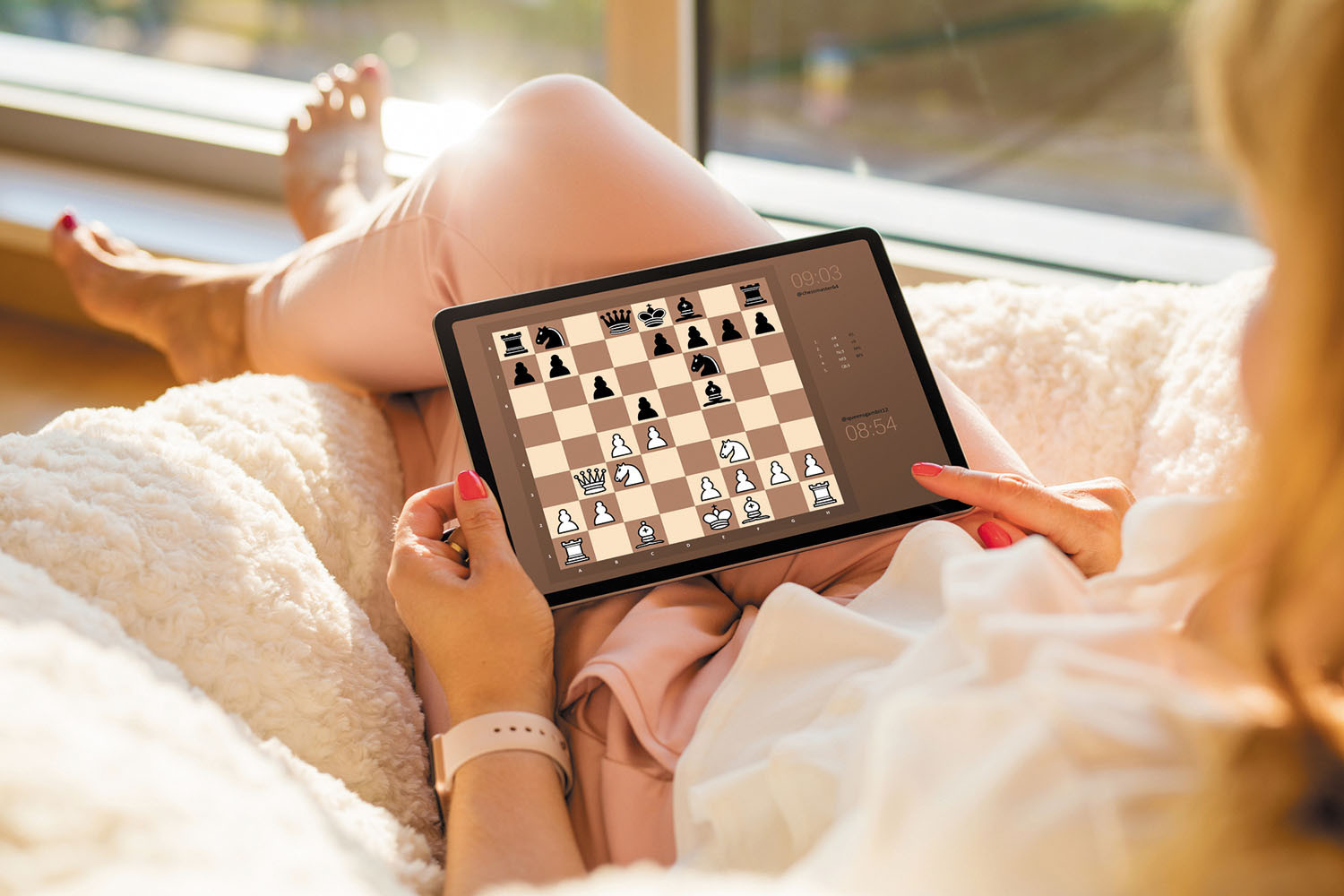
Can brain training smartphone apps and computer games really help you stay sharp?
A large number of apps and computer programs claim to help keep the mind sharp and improve memory. Since there is limited evidence that these programs bring cognitive benefits, be skeptical of these claims and choose the ones that you enjoy. Meanwhile, practice proven brain-protecting strategies such as staying physically active, eating a healthy diet, socializing, and avoiding brain-harming habits such as drinking excess alcohol, getting too little sleep, and using illegal drugs.

Zinc gets a lukewarm response for fighting colds
A recent analysis found evidence mixed on whether zinc can help prevent or treat a cold. However, there appears to be no significant harm from taking over-the-counter zinc products in safe amounts per the label's instructions.

Getting through grief
The American Psychiatric Association has recently added prolonged grief disorder to its official list of classified mental disorders. Someone may develop this disorder when someone close has died within the past 12 months. The person may experience intense longing for the deceased or preoccupation with thoughts about him or her. These feelings occur most of the day and nearly every day for at least a month. Recognizing the signs and seeking out help with talk therapy are the best approaches to help prevent it from evolving to depression.

The rising tide of dementia and the need for nondrug therapies

Why are women more likely to develop Alzheimer's disease?
Of the more than six million people over 65 in the US who have Alzheimer's disease, almost two-thirds are women. This is partly because women live longer than men, but other factors make women more likely to develop the disease, especially later in life.

Tics and TikTok: Can social media trigger illness?
For hundreds of years there have been documented instances of groups of people developing similar, medically inexplicable, and sometimes bizarre symptoms, such as paralysis, involuntary tics, or uncontrollable laughter. Known as sociogenic illness, a recent example appears to be fueled by social media postings—meaning physical proximity is no longer a factor.

CoQ10: Should you take this popular supplement if you're on a statin?
Oat vs. dairy milk: Nutrition, benefits, and downsides
Microplastics: A hidden health threat?
Healing after food poisoning
What is tempeh? Benefits, nutrition, and how to use it
Light exposure at night may raise risk for heart disease
Whole grains may improve several heart risk factors at once
A lumbar belt may help ease low back pain
Children of centenarians may stay healthier and live longer too, study finds
Signs of pneumonia: Sometimes vague and unexpected
Free Healthbeat Signup
Get the latest in health news delivered to your inbox!
Sign Up
