

CoQ10: Should you take this popular supplement if you're on a statin?

Oat vs. dairy milk: Nutrition, benefits, and downsides

Microplastics: A hidden health threat?

Healing after food poisoning

What is tempeh? Benefits, nutrition, and how to use it

Light exposure at night may raise risk for heart disease

Whole grains may improve several heart risk factors at once

A lumbar belt may help ease low back pain

Children of centenarians may stay healthier and live longer too, study finds

Signs of pneumonia: Sometimes vague and unexpected
Alzheimer's Disease Archive
Articles

Feeling the burn of acid reflux
Heartburn and gastroesophageal reflux disease are two of the most common digestive-related problems, but they often get confused with each other because they share many of the same traits. While the two conditions are connected, they are quite different. Recognizing the difference can help a person adopt lifestyle changes to manage symptoms and know when to seek other options, like medication and surgery.

The worst habits for your brain
Many habits can contribute to poor brain health, but four areas can have the most influence. They are the four S's: sitting, socializing, sleep, and stress. Research has found that poor habits in these areas can affect cognitive skills like memory, learning, and problem solving, and are linked to a higher risk of cognitive decline and Alzheimer's disease. Adopting simple lifestyle changes may help.

Can medication tame chronic inflammation?
Many medications are effective for managing (but not preventing) chronic inflammation. The most common medications include nonsteroidal anti-inflammatory drugs (NSAIDs), corticosteroids, immunosuppressants, and biologics. These drugs can have dangerous side effects, so a physician must oversee their use. Other important ways to manage chronic inflammation include treating underlying causes of inflammation and living a healthy lifestyle, such as cutting out processed foods and taking a 10-minute walk each day. A healthy lifestyle may also help prevent chronic inflammation from developing in the first place.

Answers to common questions about shingles
Shingles is a painful condition caused by the varicella-zoster virus. People typically encounter this virus, which causes chickenpox, in childhood. The virus stays dormant in the body, sometimes for decades, and may re-emerge as shingles. The best way to prevent shingles is by getting vaccinated. People should get the vaccine even if they've had shingles in the past, because it is possible to get shingles more than once. Maintaining healthy habits, such as eating right, getting enough sleep, and managing stress, may also help to prevent shingles by keeping the immune system working well.

What can cause a persistent dry cough?
It's common to have a cough for weeks after an upper respiratory infection. When a cough lasts six weeks or longer, doctors may order a chest x-ray to check for an underlying lung problem. Chronic coughing also can result from medications, postnasal drip, acid reflux, or asthma.

Screening at home for memory loss: Should you try it?
The time pressures of primary care doctors make it unlikely that they will be able to give their patients tests of cognitive function. So how will the growing numbers of people at risk for Alzheimer's or another type of dementia be identified? A self-administered test is now available.

Save the trees, prevent the sneeze
In many places in the United States, spring is starting earlier— which means more pollen and a longer allergy season. Fortunately, there are steps you can take to manage the impact of seasonal allergies and reduce sneezing and itchy eyes.


Brain fog: Memory and attention after COVID-19
Brain fog, meaning slow or sluggish thinking, can occur under many different circumstances. In many cases, it is temporary and gets better on its own. Many people who have recovered from COVID-19 report some degree of brain fog and a study suggests even those with milder cases may experience problems with memory and attention.
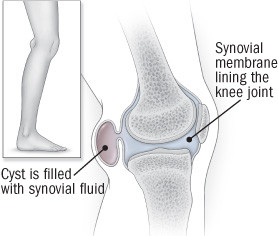
Ask the doctor: How do you treat a Baker's cyst?
I have a Baker's cyst in my right knee. It has been drained twice and recurred. Are there any other treatments for it?
CoQ10: Should you take this popular supplement if you're on a statin?
Oat vs. dairy milk: Nutrition, benefits, and downsides
Microplastics: A hidden health threat?
Healing after food poisoning
What is tempeh? Benefits, nutrition, and how to use it
Light exposure at night may raise risk for heart disease
Whole grains may improve several heart risk factors at once
A lumbar belt may help ease low back pain
Children of centenarians may stay healthier and live longer too, study finds
Signs of pneumonia: Sometimes vague and unexpected
Free Healthbeat Signup
Get the latest in health news delivered to your inbox!
Sign Up
