

CoQ10: Should you take this popular supplement if you're on a statin?

Oat vs. dairy milk: Nutrition, benefits, and downsides

Microplastics: A hidden health threat?

Healing after food poisoning

What is tempeh? Benefits, nutrition, and how to use it

Light exposure at night may raise risk for heart disease

Whole grains may improve several heart risk factors at once

A lumbar belt may help ease low back pain

Children of centenarians may stay healthier and live longer too, study finds

Signs of pneumonia: Sometimes vague and unexpected
Alzheimer's Disease Archive
Articles

Beware of bats to avoid rabies infection
Research we're watching
Rabies infections are extremely rare in the United States, with only approximately one to three cases seen each year. That number has dropped significantly since the 1930s and 40s when there were 30 to 50 cases during the average year. But when they do occur, they're typically transmitted by infected bats. According to a new report by the CDC, the majority of people who have died from rabies in the United States were infected through contact with a bat. This is the case even though bats represent only one-third of the 5,000 rabid animals typically seen in the United States each year. The second most common source for rabies infections in Americans is rabid dogs encountered when people are traveling overseas.
To prevent exposure to rabies, be certain to let your doctor know if you are scratched or bitten by a bat, or if you awaken with one flying around your house or bedroom, says the CDC. If you are exposed to rabies, your doctor can administer a series of shots (known as post-exposure prophylaxis) before you develop symptoms, which can prevent you from developing a rabies infection, which is almost always fatal. If you are traveling outside the United States, be aware that dogs may carry the infection.


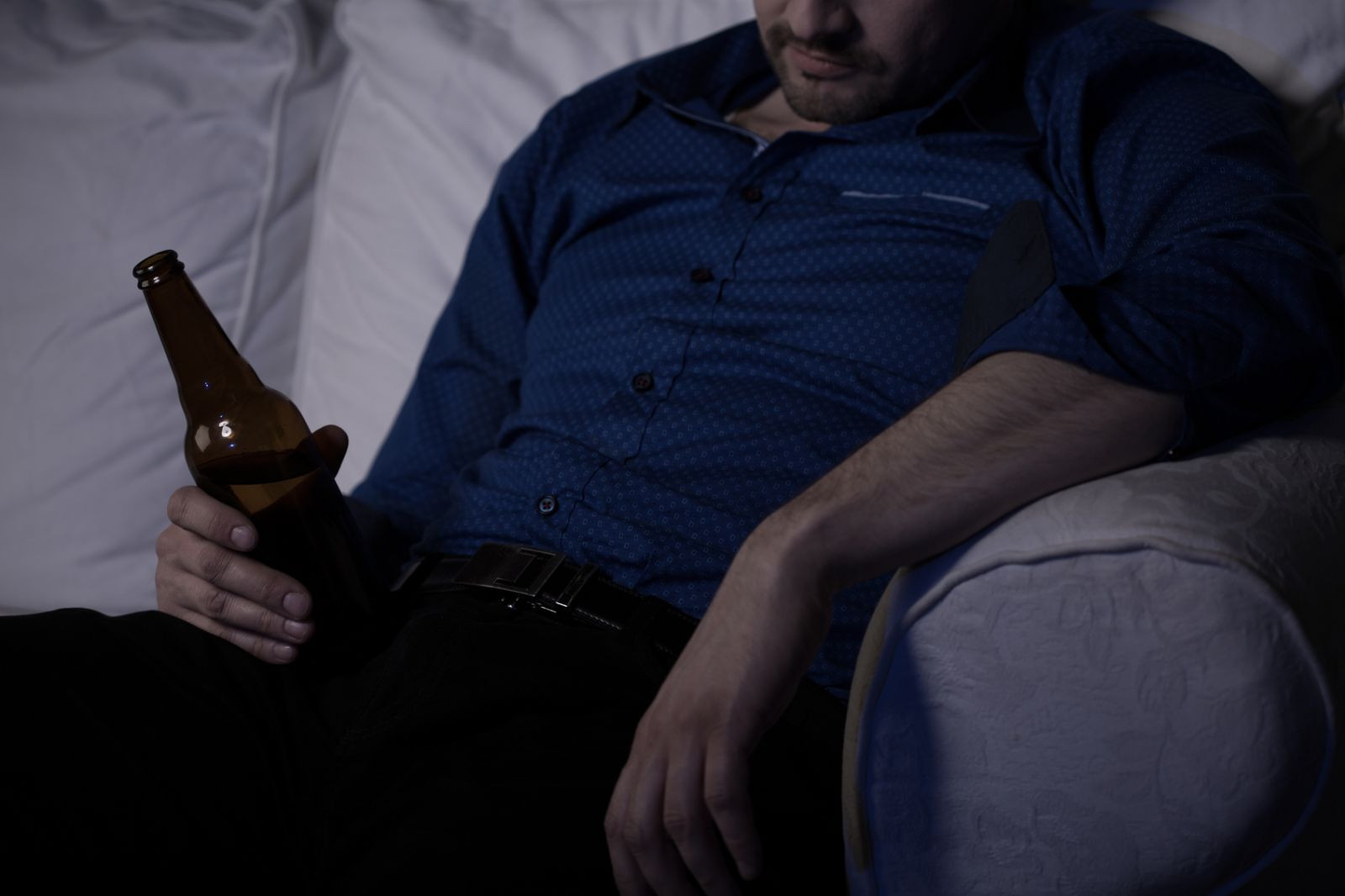
Alcohol and fatigue
Sedative effects of drinking can also initiate other physical responses in the body
Image: KatarzynaBialasiewicz/Thinkstock
Many people think that a little nightcap will help them sleep soundly through the night. Although alcohol's sedative effects can make you drowsy, they also have other effects that can interfere with quality sleep.
Several hours after that nightcap, the alcohol raises the body's level of epinephrine, a stress hormone that increases the heart rate and generally stimulates the body, which can result in nighttime awakenings. Indeed, alcohol may account for 10% of cases of persistent insomnia. Alcohol also relaxes throat muscles, and this relaxation can worsen sleep-related breathing problems and contribute to sleep apnea. What's more, alcohol may increase the need to urinate during the night — just another way in which it can disrupt sleep.

Self-help steps to get through hemorrhoid flare-ups
Hemorrhoids are common and can be extremely painful and uncomfortable during occasional flare-ups. These swollen blood vessels on the outer rectum and anus can bleed and turn bowel movements into intensely painful experiences. But simple hemorrhoid self-help measures can ease the ordeal of most hemorrhoids and allow healing. Dr. Jacqueline Wolf, a gastroenterologist and associate professor of medicine at Harvard-affiliated Beth Israel Deaconess Medical Center, suggests some effective steps you can take to care for hemorrhoids—and when it's time to seek out a procedure to remove them.
Step up the fiber
Hemorrhoids come in two varieties. The internal type sprout from within the rectum. External hemorrhoids develop on the anus itself. Either way, passing stools by hemorrhoids may cause pain and bleeding.

Is fibromyalgia hereditary?
Ask the doctors
Q. My mother has fibromyalgia, and I think I'm starting to experience similar symptoms. Is fibromyalgia hereditary?
A. Yes. Fibromyalgia, a chronic pain condition that affects some six million or more Americans, can run in families. In fact, one of the most important risk factors for fibromyalgia is a family history of the disorder. Fibromyalgia is sometimes known to affect multiple members of the same family. Your risk rises if you have a first-degree relative — a parent, a brother, sister, or child — with the condition.

Want to prevent dementia? Improve your everyday health habits
Research we're watching
The World Health Organization has some advice for people who want to reduce their risk of dementia — pay attention to your overall health. Specifically, the organization's new guidelines recommend regular exercise, maintaining a healthy weight, regulating blood sugar levels, and keeping cholesterol within recommended limits.
Experts also recommend giving up unhealthy habits, including drinking and smoking. In short, strategies that you already know are good for your heart and overall health are also good for your brain. Preventing dementia is a focus because it has become a growing health problem, which affects some 50 million people around the world. The WHO estimates that nearly 10 million people each year develop the condition.

Long-lasting grief when close friends pass
News briefs
Losing a loved one is never easy, and sometimes it can take years to grieve for a partner, parent, or child. That grief often comes with adverse health effects, such as stress, depression, insomnia, high blood pressure, and heart problems. But long-lasting grief doesn't come only from a family member's death, suggests a study published online April 4, 2019, by PLOS One. Researchers evaluated questionnaire responses from about 9,600 people who'd lost close friends and found this type of grief can last up to four years. Women in the study were particularly hard hit by loss of a close friend, experiencing more problems with mental, emotional, and social health than men. Study authors say the passing of a close friend should be considered a substantial experience that warrants help (like a support group) to minimize the negative effects of grief.
Our take: Grief of any kind poses a health risk, whether it's due to the loss of someone dear or a dramatic change in life, such as a job loss or a move to a new city. During such times, be especially vigilant about reporting disturbing new symptoms to your doctor.
Are sunstroke and heatstroke the same?
On call
Q. Is there any difference between sunstroke and heatstroke and are there certain signs and symptoms I should look for?
A. These two terms refer to the same condition. Heatstroke (or sunstroke) happens when the body can no longer maintain a temperature of under 105° F when exposed to hot weather. People almost always have warning symptoms before heatstroke, yet sometimes they do not pay attention, or are not able to take action.

Get the facts about memory loss
Many conditions can affect your memory and thinking.
Dementia, Alzheimer's disease, mild cognitive impairment. These terms are often mentioned together to describe age-related memory loss. While they are linked in some ways, they are not necessarily the same, and they often affect people differently.
"Even though memory loss is more common as you age, it is not part of normal aging," says Dr. Gad Marshall, associate medical director of the Center for Alzheimer Research and Treatment at Harvard-affiliated Brigham and Women's Hospital. "Either sudden or gradual persistent changes in memory loss and mental lapses can be signs of more serious conditions."
CoQ10: Should you take this popular supplement if you're on a statin?
Oat vs. dairy milk: Nutrition, benefits, and downsides
Microplastics: A hidden health threat?
Healing after food poisoning
What is tempeh? Benefits, nutrition, and how to use it
Light exposure at night may raise risk for heart disease
Whole grains may improve several heart risk factors at once
A lumbar belt may help ease low back pain
Children of centenarians may stay healthier and live longer too, study finds
Signs of pneumonia: Sometimes vague and unexpected
Free Healthbeat Signup
Get the latest in health news delivered to your inbox!
Sign Up
