

CoQ10: Should you take this popular supplement if you're on a statin?

Oat vs. dairy milk: Nutrition, benefits, and downsides

Microplastics: A hidden health threat?

Healing after food poisoning

What is tempeh? Benefits, nutrition, and how to use it

Light exposure at night may raise risk for heart disease

Whole grains may improve several heart risk factors at once

A lumbar belt may help ease low back pain

Children of centenarians may stay healthier and live longer too, study finds

Signs of pneumonia: Sometimes vague and unexpected
Alzheimer's Disease Archive
Articles

Have you had an HIV test?
News briefs
About half of all people in the United States living with a diagnosis of HIV (human immunodeficiency virus) are age 50 or older. But new data from the CDC suggest most Americans have never been tested for the virus (which causes AIDS, the late-stage phase of HIV infection). According to the June 28, 2019, Morbidity and Mortality Weekly Report, less than 40% of people in the United States have had an HIV test, even though the CDC recommends routine testing at least once for everyone age 13 to 64. The CDC notes that older adults sometimes aren't tested for HIV because they don't consider themselves at risk for infection or because their health care providers don't offer them the test. Older people may also mistake late-stage HIV symptoms, such as weight loss and frequent illness, for signs of normal aging. Those symptoms occur because HIV attacks the body's immune system. But a delay in diagnosis allows the virus to cause more damage. That's unfortunate, since medications can keep the infection from progressing.
If you haven't had an HIV test, talk to your doctor about whether it's right for you, no matter your age, especially if you are sexually active or have had more than one sex partner.

Blood test may find early signs of Alzheimer's
In the journals
A new study found that a simple blood test can detect beta-amyloid protein buildup in a person's brain years before Alzheimer's disease symptoms appear. The results were published online Aug. 1, 2019, by the journal Neurology.
High amounts of beta-amyloid can clump together and form plaques on the brain, which is strongly associated with Alzheimer's disease. Other research has found that amyloid plaques can appear as early as 20 years before the first sign of Alzheimer's symptoms, such as cognitive decline and memory loss.
Can I reverse prediabetes?
Ask the doctors
Q. My doctor recently told me I have prediabetes. Is this condition reversible?
A. Yes, it is possible to reverse prediabetes. Prediabetes is a condition that affects millions of Americans. The CDC estimates that as many as one in every three American adults has the condition, which is defined as having blood sugar that is elevated, but not high enough to meet the threshold for diabetes. Left untreated, prediabetes can progress to diabetes, a condition in which your body is not able to absorb glucose for energy properly, causing blood sugar to rise. If it's not managed properly, diabetes can lead to a number of health problems, from heart attack and stroke to blindness, kidney problems, and infections, among others. But making some lifestyle changes can reduce the risk that your prediabetes will develop into diabetes.

Survey shows changing attitudes about women's intelligence
Research we're watching
Are men or women smarter? A recent analysis, published online July 18 by American Psychologist, shows that a majority of Americans (86%) polled in 2018 think men and women are equally intelligent. But among those who see a difference, 9% gave the edge to women, compared with only 5% who think men are smarter.
The results are a far cry from public opinion polls conducted in the 1940s, when a majority of Americans thought that men were the smarter sex, and only 36% thought that men and women were equals when it came to brains. These figures were compiled using 16 different, nationally representative, public opinion polls conducted from 1946 to 2018.

Medications for depression: Which is best?
There are many medications that can be used to treat mood disorders. But finding the right one can be a lengthy process, and the choice can be more complicated than you might imagine. Just because a particular drug worked for a friend doesn't mean it will work for you. Psychiatrists and doctors who prescribe antidepressants choose a particular drug and dosage based on many factors, including the following:
- Diagnosis. Certain drugs are a better choice for specific symptoms and types of depression. For example, an antidepressant that makes you sleepy may be better when insomnia is an issue. The severity of your illness or the presence of anxiety, obsessions, or compulsions may also dictate the choice of one drug over another.
- Side effects. You may first want to choose a drug based on which side effect you most want to avoid. Medications vary in the likelihood they will cause such problems as sexual effects, weight gain, or sedation.
- Age. As you age, your body tends to break down drugs more slowly. Thus, older people may need a lower dose. For children, only a few medications have been studied carefully.
- Health. If you have certain health problems, it's best to avoid certain drugs. For example, your doctor will want to consider factors such as heart disease or neurological illnesses when recommending a drug. For this reason, it's important to discuss medical problems with a primary care doctor or psychiatrist before starting an antidepressant.
- Medications, supplements, and diet. When combined with certain drugs or substances, antidepressants may not work as well, or they may have worrisome or dangerous side effects. For example, combining an SSRI or another antidepressant with the herbal remedy St. John's wort can boost serotonin to dangerous and, in rare cases, fatal levels. Mixing St. John's wort with other drugs—including certain drugs to control HIV infection, cancer medications, and birth control pills—might lower their effectiveness. Women receiving tamoxifen for breast cancer should take an antidepressant that does not interfere with tamoxifen's effectiveness. Eating certain foods, such as aged cheeses and cured meats, while taking an MAOI can cause a dangerous rise in blood pressure.
- Alcohol or drugs. Alcohol and other substances can cause depression and make antidepressants less effective. Doctors often treat alcohol or drug addiction first if they believe either is causing the depression. In many instances, simultaneous treatment for addiction and depression is warranted.
- Personal and family mental health and medication history. If you or a member of your family has had a good response to a medication in the past, that information may guide your choice. Depending on the nature and course of your depression (for example, if your depression is long-lasting or difficult to treat), you may need a higher dose or a combination of drugs. This may also be true if an antidepressant has stopped working for you, which may occur after you've used it for some time or after you've stopped and restarted treatment with it.
- Cost. Since all antidepressants are roughly equivalent in their effectiveness, you won't lose anything by trying a generic version first.
- Your preference. Once you have learned as much as you can about the treatment options, your doctor will want to know what approach makes most sense given your lifestyle, your interests, and your judgment.
To learn more strategies for battling depression, check out Understanding Depression, a Special Health Report from Harvard Medical School.

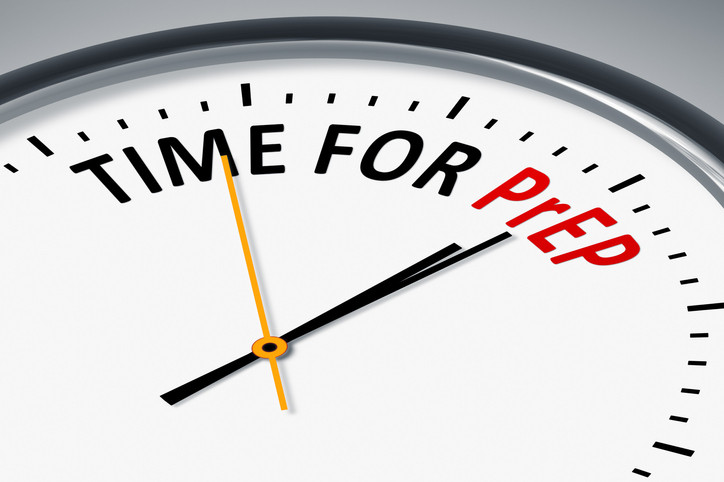
PrEP prevents HIV — so why aren’t more people taking it?
PrEP (pre-exposure prophylaxis) is a daily medication taken to prevent HIV infection. While multiple studies show PrEP is effective, relatively few of those who might benefit are taking it. Will a 10-year initiative to reduce rates of HIV and a new formulation of PrEP help?
Are the new migraine medications working?
Doctors say three recently approved migraine prevention drugs are helping people have fewer headaches.
For people with frequent, debilitating migraine headaches, 2018 brought encouraging news. The FDA approved three new medications — erenumab (Aimovig), fremanezumab (Ajovy), and galcanezumab (Emgality) — the first drugs designed specifically to prevent migraines and reduce their frequency, intensity, and duration.
It was a big development, since other medications used to stop migraines were created to control other conditions, such as seizures, depression, high blood pressure, or an irregular heartbeat. But their side effects (such as weight gain, dizziness, or fuzzy thinking) often cause people to skip treatment.

The thinking on brain games
Many older adults enjoy "brain games" like crosswords, chess, and computer games. But can they help improve memory?
If you are like many adults, you enjoy a good crossword, a weekly card game, or even the latest addictive phone app game. You probably even relish the mental boost they provide.
But do these types of brain games help with brain health, especially for protecting against memory loss? Well, it's complicated.
Study links certain medications to a higher risk of dementia
But some experts say limitations of the study raise questions about the results.
Could one of your regular pills raise your risk of dementia? A study published online June 24 by JAMA Internal Medicine found that people over age 55 who took a daily dose of certain common drugs for approximately three years had a 50% higher risk of developing dementia.
The medicines in question are in a category known as anticholinergics, which are used to treat conditions as diverse as depression, urinary incontinence, allergies, and Parkinson's disease. The study's authors say the findings should prompt doctors to use caution or potentially even avoid prescribing certain medications to people over age 45 on a long-term basis if there are other options available.
CoQ10: Should you take this popular supplement if you're on a statin?
Oat vs. dairy milk: Nutrition, benefits, and downsides
Microplastics: A hidden health threat?
Healing after food poisoning
What is tempeh? Benefits, nutrition, and how to use it
Light exposure at night may raise risk for heart disease
Whole grains may improve several heart risk factors at once
A lumbar belt may help ease low back pain
Children of centenarians may stay healthier and live longer too, study finds
Signs of pneumonia: Sometimes vague and unexpected
Free Healthbeat Signup
Get the latest in health news delivered to your inbox!
Sign Up
