

Whole grains may improve several heart risk factors at once

Light exposure at night may raise risk for heart disease

Children of centenarians may stay healthier and live longer too, study finds

A lumbar belt may help ease low back pain

Signs of pneumonia: Sometimes vague and unexpected

The surprising link between ovarian cancer and the fallopian tubes

Using a vibration plate: What it can — and can't — do for your body

People who walk more or walk faster live longer, study finds

Rosacea treatments: What works?

For sleep apnea, a dental device may be as effective as CPAP
Allergies and hay fever Archive
Articles

How might a COPD exacerbation affect my father's prognosis?
Flare‑ups of COPD can speed lung decline, sap energy, and raise the risk of death. Outlook may depend on smoking status and inhaler treatments.
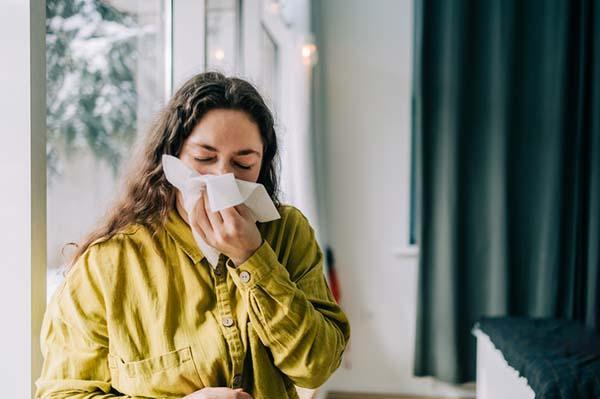
Could mold in the home cause allergy-like symptoms?
Nasal congestion, itchy eyes, fatigue, asthma flares, and skin rashes may trace back to indoor mold. Simple home changes can help cut down exposure.

How often should someone with emphysema get a full pulmonary function test?
Managing emphysema involves more than an occasional lung test. Learn how breathing studies, oxygen checks, and symptoms can be used to track your lung health.

Why does my pneumonia keep returning?
Repeated infections in one lung can point to hidden airway damage, aspiration, immune problems, or inflammation. Tests like CT and bronchoscopy may help identify the cause.
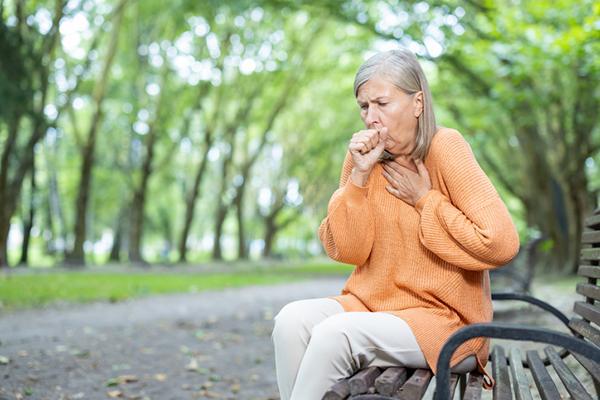
What is an emphysematous bleb?
Tiny air sacs can stretch, rupture, and form bubbles inside the lung. Learn how this damage develops and how smoking can contribute.

Can you develop adult asthma?
Sudden wheezing with exertion can hint at exercise‑linked airway problems or other conditions. Learn how doctors pin down the cause.
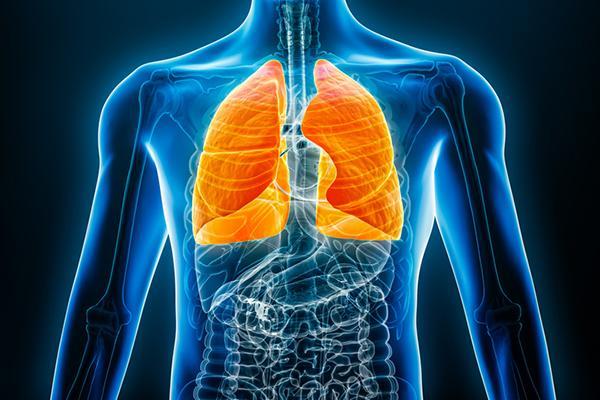
What is pleurisy?
Sharp pain that worsens with a deep breath can signal pleurisy, an inflamed lung lining. It may also indicate something more serious.
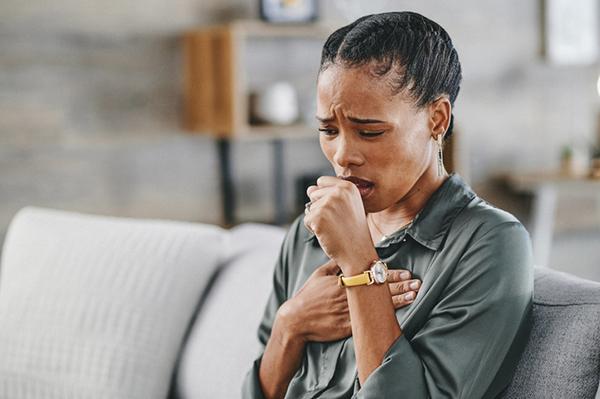
What could be causing my persistent cough?
A nagging cough can have many hidden causes. Learn which conditions doctors look for and why a chest x‑ray may be important.

Is it normal to cough a lot after you quit smoking?
After quitting smoking, a nagging cough can feel alarming. Discover what's happening in your lungs and when it's time to call a doctor.
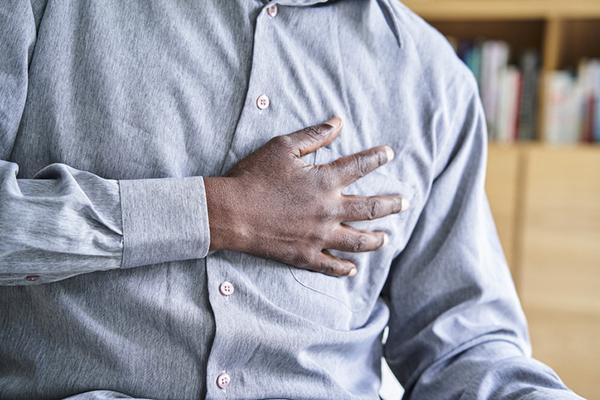
Could sharp rib pains be a sign of an asthma attack?
Stabbing rib pain and throat tightness can follow an asthma flare, but they may also hint at other conditions that deserve fast medical attention.
Whole grains may improve several heart risk factors at once
Light exposure at night may raise risk for heart disease
Children of centenarians may stay healthier and live longer too, study finds
A lumbar belt may help ease low back pain
Signs of pneumonia: Sometimes vague and unexpected
The surprising link between ovarian cancer and the fallopian tubes
Using a vibration plate: What it can — and can't — do for your body
People who walk more or walk faster live longer, study finds
Rosacea treatments: What works?
For sleep apnea, a dental device may be as effective as CPAP
Free Healthbeat Signup
Get the latest in health news delivered to your inbox!
Sign Up
