

Even a little exercise linked with lower stroke risk in people with afib

Testosterone therapy without evidence of deficiency may boost heart risk

Weight-loss drug may lower risk of heart attacks and infections

What to eat on the DASH diet

Migraine: How it's diagnosed and what that means

Tricep workouts you can do at home

Mindfulness practices to reduce stress and improve focus

Antihistamines may not offer meaningful relief from eczema symptoms

Overweight and taking blood pressure medications: Study finds it's a trend that's working

FDA approves first mRNA-based flu vaccine
Allergies and hay fever Archive
Articles

Ask the Doc: What Causes Shortness of Breath?
Some common causes of shortness of breath include lung and heart conditions, asthma, COPD, infections, anxiety, and anemia. Dr. David Roberts reviews warning signs that require urgent medical attention

What are pulmonary calcifications?
Calcium deposits in the lungs can follow infections, bleeding, high calcium levels, or past exposures. Doctors will review imaging test results and medical history to help clarify their significance.

COPD symptoms: How to spot them early
Early symptoms of chronic obstructive pulmonary disease (COPD) can be subtle and progress slowly. They include shortness of breath, chronic cough, fatigue, increased mucus or phlegm, and intermittent wheezing or chest tightness.

Why do I cough more at night or first thing in the morning?
People may cough more at night or in the morning due to phlegm or throat irritation that affects the airways when they’re lying flat. Coughing helps clear mucus and other secretions that collect there.

How long after using nicotine can a blood test still detect it?
Blood tests can show recent nicotine use, how heavily you’ve been exposed, and why traces may still appear days after your last cigarette.

Be wise about bee and wasp stings
In most cases, bee, wasp, or hornet stings can be treated with simple remedies. For example, placing a cold pack on the sting site helps reduce swelling. Applying over-the-counter hydrocortisone cream helps relieve swelling and itching, too. Taking an antihistamine—such as fexofenadine (Allegra) or loratadine (Claritin)—also eases itching. If symptoms persist for a few days, it’s time to call a doctor. If a severe allergic response develops—indicated by difficulty breathing or hives—it’s crucial to call 911 for help and get an injection of epinephrine as soon as possible.

Can allergies worsen snoring?
Stuffy nose and sneezing caused by allergies can narrow airways and disrupt sleep, sometimes fueling snoring and even sleep apnea. Targeted treatment may help.

What is pulmonary fibrosis and how is it treated?
Lung scarring from pulmonary fibrosis can cause breathlessness and cough. Learn about symptom relief and newer treatment options.
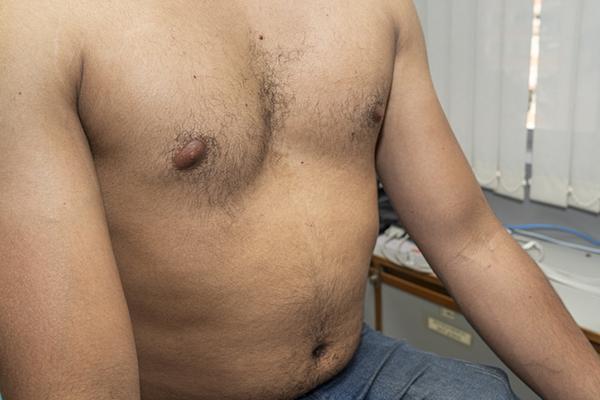
Does pectus excavatum increase my risk of lung or heart problems in midlife?
As a sunken chest becomes more noticeable with age, shortness of breath, stamina limits, and heart or lung compression may emerge.
What could cause lung nodules?
A lung nodule on imaging can stem from scars, infection, or cancer. Learn how doctors judge the risk and decide between watching, testing, or removal.
Even a little exercise linked with lower stroke risk in people with afib
Testosterone therapy without evidence of deficiency may boost heart risk
Weight-loss drug may lower risk of heart attacks and infections
What to eat on the DASH diet
Migraine: How it's diagnosed and what that means
Tricep workouts you can do at home
Mindfulness practices to reduce stress and improve focus
Antihistamines may not offer meaningful relief from eczema symptoms
Overweight and taking blood pressure medications: Study finds it's a trend that's working
FDA approves first mRNA-based flu vaccine
Free Healthbeat Signup
Get the latest in health news delivered to your inbox!
Sign Up
