

Even a little exercise linked with lower stroke risk in people with afib

Testosterone therapy without evidence of deficiency may boost heart risk

Weight-loss drug may lower risk of heart attacks and infections

What to eat on the DASH diet

Migraine: How it's diagnosed and what that means

Tricep workouts you can do at home

Mindfulness practices to reduce stress and improve focus

Antihistamines may not offer meaningful relief from eczema symptoms

Overweight and taking blood pressure medications: Study finds it's a trend that's working

FDA approves first mRNA-based flu vaccine
Allergies and hay fever Archive
Articles
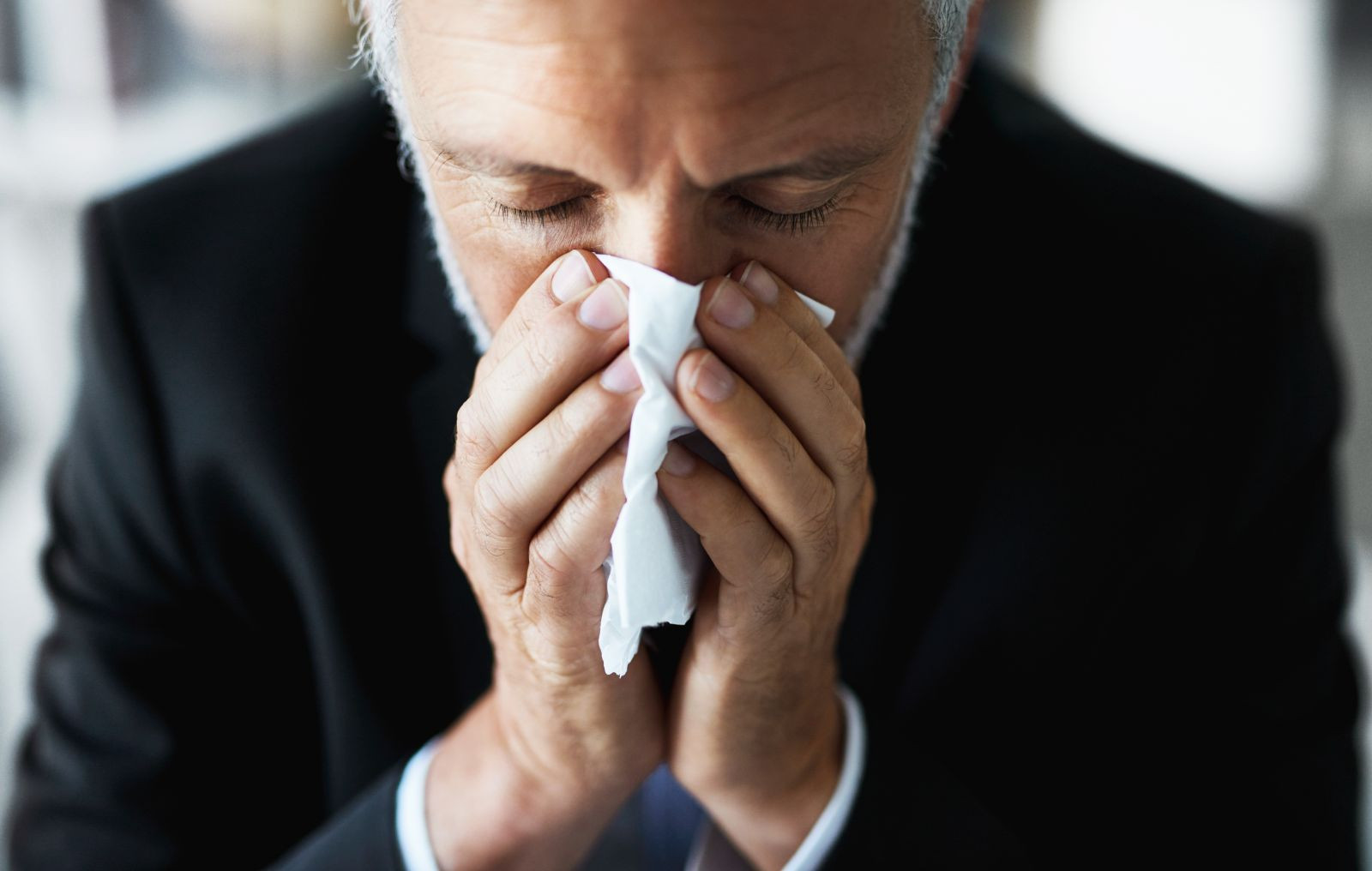
Allergic rhinitis: Your nose knows
Allergic rhinitis, commonly called hay fever, can be a minor seasonal nuisance or a troubling year-round problem. Most people can find relief by taking an antihistamine and by avoiding the allergens that trigger the irritation.

Peanut allergy: A new medicine for children may offer protection
In children with food allergies, peanut allergy is the one most likely to cause a severe reaction. A newly approved medication made from peanut flour treats peanut allergy by giving a gradually increasing dosage over several months.

Food allergy, intolerance, or sensitivity: What’s the difference, and why does it matter?
Many people have experienced unpleasant symptoms related to food, but such a reaction does not necessarily mean that you have a food allergy. The symptoms could indicate a food intolerance, food sensitivity, or possibly celiac disease.

Eosinophilic esophagitis: A new food-related allergic condition on the rise?
Eosinophilic esophagitis is an allergic inflammation of the esophagus that most typically develops as an allergic response to certain foods. The exact cause is unclear, but if left untreated it can lead to permanent scarring or narrowing of the esophagus.

How can I reduce symptoms from my winter allergies?
Ask the doctors
Q. I have terrible allergies every winter. What can I do to make them more tolerable this year?
A. Unlike fall or spring allergies, which are often responses to outdoor allergens, such as pollen or ragweed, most winter allergies are triggered by substances inside your home. Common indoor allergens include dust mites, mold, and pet dander, and they can prompt a host of symptoms, from a runny nose and sneezing to a sore throat and itchy eyes. While these indoor allergens are present year-round, allergies can flare up in the winter because you're cooped up in the house with the windows closed. Your home's furnace may also be circulating these substances through the air once the heat kicks on.

New medication advances treatment for chronic rhinosinusitis with nasal polyps
The FDA has approved a new medication for the treatment of chronic rhinosinusitis with nasal polyps, dupilumab, which is given by injection biweekly.
Ask the doctor: Can allergies cause high blood pressure?
Q. I have allergies. Could they be the reason I have high blood pressure?
A. Although allergies don't usually directly increase blood pressure, they can contribute indirectly to high blood pressure in two very different ways.
Is under-the-tongue allergy therapy safe and effective?
Ask the doctors
Q. I have seasonal allergies and I'm thinking about getting allergy shots to control them. But I hate shots and would prefer the sublingual treatments. Are these treatments considered equally safe and effective?
A. The short answer to your question is yes. Sublingual allergy treatments, which are small doses of allergens administered as tablets or liquid drops under the tongue, are considered safe and effective compared with allergy shots.
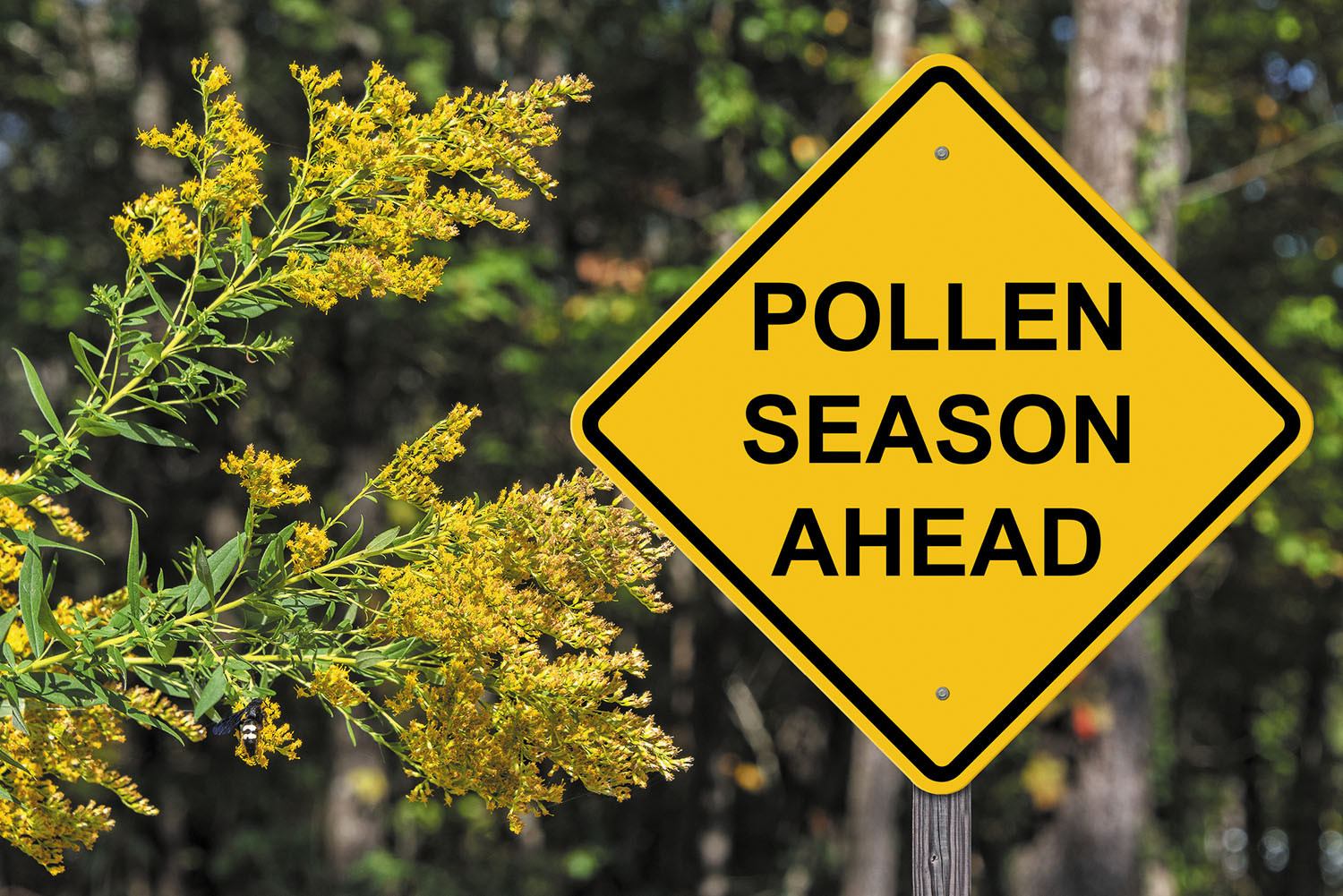
Nothing to sneeze at
Here's how to prepare for the coming allergy season.
Spring is in the air, and so are millions of pollen particles, the tiny grains that fertilize plants. Seasonal allergies — also known as hay fever — can affect almost anyone and at any time in life. Although most people begin to experience allergies in childhood or early adulthood, sometimes the symptoms become more problematic later in life, especially if their living environment changes.
"Even if you have never suffered from allergies — or used to when you were much younger but not anymore — there is a good chance you will become more sensitive to pollen as you reach your 60s and 70s, although it's not clear why," says Dr. Mariana Castells, of the Department of Allergy, Rheumatology, and Immunology at Harvard-affiliated Brigham and Women's Hospital.

Even a little exercise linked with lower stroke risk in people with afib
Testosterone therapy without evidence of deficiency may boost heart risk
Weight-loss drug may lower risk of heart attacks and infections
What to eat on the DASH diet
Migraine: How it's diagnosed and what that means
Tricep workouts you can do at home
Mindfulness practices to reduce stress and improve focus
Antihistamines may not offer meaningful relief from eczema symptoms
Overweight and taking blood pressure medications: Study finds it's a trend that's working
FDA approves first mRNA-based flu vaccine
Free Healthbeat Signup
Get the latest in health news delivered to your inbox!
Sign Up
