Reevaluating Friendships Over Time
Adolescence is full of transitions, and that includes your relationships. You try new activities and hobbies, grow out of old ones, and experiment with what brings you joy. Your body changes, and brain development continues into your mid‑twenties. You move from middle school to high school, and then from high school to college, work, or other life experiences. With so many adjustments, it’s only natural for some friendships to shift and your feelings and priorities about relationships to change over time, too. Short-term friendships, and even ones you thought would last long-term, still matter and become part of your story.
Typical ups and downs of friendships
All healthy friendships ebb and flow to some degree. You and your best friend may no longer be in the same classes, sports, or clubs, so you may not have as much time to hang out as usual. Still, you find small ways to stay connected, even if it’s just occasional texts. Perhaps you go away during the summer and don’t feel as close to your friends as you do during the year. But when you come back together, you pick up right where you left off. You might argue with a friend and need space to cool off before working to repair the rift, or you may decide to let that friendship go. These kinds of ups and downs are a normal part of adolescence.
Determining whether a friendship still fits
The reality is that some friendships survive the typical ups and downs, and some do not. Some are only a good fit for a certain period of your life, and that’s okay. You and your friends may develop different interests or shifting priorities, setting you on separate paths. For example, maybe you’ve met other people through a new activity, and your current friendships don’t feel as important as they used to. Or you’ve entered high school, and your closest friend is suddenly hanging out with a different crowd, making choices you aren’t comfortable with. Perhaps some of your friends have gone away to college while you’ve stayed local, and you don’t feel like you have much in common anymore.
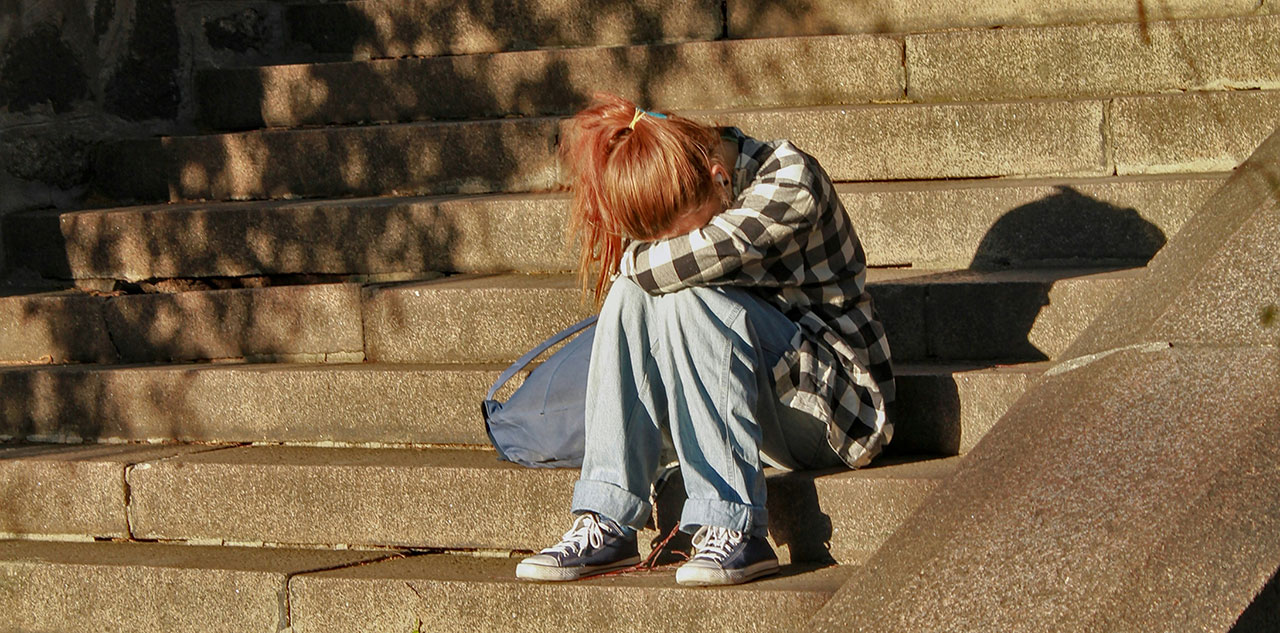
When friendships change, it can feel confusing, sad, or painful. These are normal reactions to a very common experience. Everyone wrestles with relationship transitions.
If you’re sensing a shift, consider whether a relationship is still working for you. Ask yourself:
- Am I still feeling seen and respected by this person, or are they making me feel uncomfortable, judged, or pressured?
- Do I feel like this is an equal friendship? Are we both initiating plans? Are we both there for each other?
- Is something particular bothering me about the friendship? Is it something we could talk about and work through? (See Communicating your feelings.)
- Do I still enjoy being with this person, or am I continuing the friendship out of habit or because I feel like I should (perhaps because of past history or fear of what will happen if you move on)?
For more specifics on evaluating a friendship, see What do healthy relationships look like?
— submitted by a young person
Moving on from a friendship
One friendship can’t meet all of your needs all of the time. But if a relationship no longer feels positive, or you don't think your efforts to repair the relationship are effective, it may be time to move on. Letting go of a friendship that no longer serves you can be scary, but it also can bring a sense of relief.
You might be wondering what to do next. Some ideas to consider:
- Create some natural distance. Text less, don’t share as much, and politely decline invitations to hang out. (Try saying, “Thanks for thinking of me, but I’m busy” rather than ghosting.)
- Allow the friendship to fade rather than canceling it entirely. You may be able to remain acquaintances with someone even if you are no longer close.
- Avoid unnecessary drama. You don’t need to have a big “breakup talk” or an argument, block the person, or say or post something hurtful to or about them.
- Keep things simple and private. It can be tempting to rehash with mutual friends, and you might feel pressured to spill details if someone brings it up. You don’t owe others a big explanation or a blow-by-blow backstory. If someone asks, you can say, “We’re not as close anymore,” or “We’ve been busy doing different things.”
- Talk to someone you trust who is not involved in the situation. Stepping back from a friendship can feel even harder if you’re worried about the fallout. You might be afraid of others talking about you, leaving you out, or even turning on you. Find at least one safe person to talk to so you’re not handling the situation alone. You might go to an older sibling who has been there before, a school counselor or teacher, or another Opens in a new tabtrusted adult.
- Be gentle with yourself. Even if you’re the one ending a relationship, you may still feel upset about it. Give your emotions space and practice self-care.
Remember, you’re allowed to step back from a friendship even if some people don’t understand. You can still appreciate the ways the relationship was once meaningful even if someone disappointed or upset you. Perhaps with time or distance, you may even choose to reconnect down the line.

Opening yourself up to new friendships
Growing apart might make you feel lonely or sad at first. Losing a friend can feel like rejection if someone else is pulling away. But remember, you have the power to make choices about your relationships. Letting go of friendships that no longer work can open up space to build new friendships. Consider people you may have overlooked who might actually be a better match for your priorities and interests at this time. These new or established connections could stay with you for years to come.
It can also help to widen your circle. Friendships don’t have to be only with people you see every day at school. They can be with people at your summer job, someone from volunteer work in the community, or a cousin or family friend in another town. Expanding your network can help you make valuable, possibly lifelong connections beyond the usual crowd.