Building New Friendships

Maybe you’ve just started a new school and you’re looking to meet people. Maybe you no longer feel fulfilled by old friendships and want to make new ones. Perhaps you hang out in a large group, but you wish you had one close friend to really talk to. Making connections — both casual and close — is important, but it can be hard to know where to start.
Meeting potential friends: Start small
First, think about what type of connection you want to make. Is there a specific person you want to get to know better? Are you looking for a group of people with similar interests to spend time with on the weekend?
Next, consider ways to put yourself in places where these people are. That might mean joining a club, volunteering for a cause you care about, or even just walking to class or practice at the same time as a potential friend.
Pick one person to start a connection with at a time when they seem available, such as when they’re walking or sitting alone (instead of when they’re talking to someone else or concentrating on homework).
Finally, begin with a small gesture — a smile as you sit down next them, a wave as you walk in the same direction. These small moves can open the door for a conversation.
Ways to meet new people
- Join a club, group, or team at school or in your community for something you’re into like a book club, chess club, intramurals, gaming, or creative arts
- Volunteer for a cause you care about
- Go to a sporting or theater event
- Seek out music spaces such as performances, workshops, or open mic nights
- Sit in a coffee shop or a public space to do homework or read a book
- Try a new activity or class like painting or improv
- Get involved in a peer tutoring program
- Check your local library, community center, or place of worship for events for teens
- Attend a poetry reading or a book signing at your local bookstore
- Get a part-time job where other young people work (like scooping ice cream at a local shop or lifeguarding at a nearby pool)
Think outside of your school and town, too — interning at a hospital or business a few towns away, working as a summer camp counselor at an overnight camp in another state. Your school counselor may have more ideas.
Striking up a connection
You might feel nervous about striking up a conversation with someone, or not sure what to say. The other person may feel that way, too! Here are some low-pressure ways to start:
Try complimenting someone (“I like how you did your hair today” or “Great job with that science presentation this morning!”).
Offer a hand or share if you see someone needs help (like if their backpack spills open or they can’t find their charger).
An easy entry point is to comment on a shared situation, notice and name a potential similarity, or talk about something you’re both interested in. Do so in a way that invites a response. For example, “Ugh, the Wi-Fi is down again” or “Hey, we have similar shoes — where did you get yours?” Keep in mind that common ground isn’t a common enemy — don’t try to bond over a dislike of someone else.
One way to get to know someone is to ask them questions. Without being nosy, show that you’re interested in who someone is and what they enjoy. If they play baseball, ask if they’re excited about the upcoming game. If you know they like art, ask what project they’re currently working on.
Once you’re talking, you can keep a conversation going by:
Listen attentively when someone is talking, let them finish without interrupting, and then reflect back what you’ve heard. You might say something like, “That sounds [tough, fun, kind of stressful…] “or “Seems like you’ll be glad when that test’s over.”
Ask questions, listen carefully, and then let the person know what’s on your mind or what you’re interested in, too. You could say, “I’m worried about that test, too,” or “Good luck with the game. My band has a show that afternoon. Sounds like a big day for both of us!”
Making plans
Spending time together helps friendships deepen. Once you’ve started to establish a connection with someone, you may feel hesitant about taking the next step of asking them to get together. They might feel the same way and may need an opening. Try dropping a subtle hint like, “Have you tried the new coffee shop down the street?” or “Oh, you’ve been volunteering at the animal shelter? I’ve been wanting to do that.” As you get more comfortable, you can make direct suggestions such as asking someone to work out, hop on a call to do homework, or get coffee after school.
— submitted by a young person
Finding your people
There are different levels of friendships, and not every friend can fill every need. It’s okay and actually healthy to have different types of friends. Some people you interact with will stay casual acquaintances. Simply chatting with a teammate or saying hi to someone in the hallway can boost your mood and help relieve feelings of loneliness. You may have connections that stay more surface-level, like someone you do warmups with at practice or chat with about music before class starts. Another friend may despise running but you both enjoy art class and connect over that. Friendships also have different depths of connection. For example, you might have another friend who is great to draw with, and you have deeper conversations and share new music you’re both into.
Even more fulfilling are close friendships with people who really “get” you — friends you can rely on for support and understanding, who you trust and feel comfortable with. The quality of these friendships matters more than the quantity.
Watch these videos from the Administration for Children and Families (ACF) of teens talking about how to build healthy relationships:
Administration for Children and Families (ACF)
ACF promotes the economic and social well-being of families, children, youth and individuals and communities through funding strategic partnerships, guidance, training and technical assistance.
Opens in a new tabTeens Talk Relationships: Friendship edition
Here are six tips for building meaningful friendships:
Give someone your attention, whether by putting your phone down while you’re having a conversation or inviting them to spend time together. Follow through when you make plans.
Making close friendships isn’t about convincing everyone to like you — it’s about attracting people who respect and value you for who you are.
If someone seems down, message them to check in on them or offer to talk.
Meaningful friendships take time to build. You might not hit it off with someone right away. Show people you’re interested in getting to know them but don’t smother them with constant texts or invites. As you slowly spend time together, you’ll get a sense of whether a true friendship is growing.
Everyone needs time alone. You may want to do solo activities, and it’s important to understand that a friend may need solitude, too. If someone is extra busy with classes or activities, that doesn’t necessarily mean they don’t want to spend time with you. Good friendships can stay close even if you don’t spend every minute together.
Communication mistakes happen even in the best of friendships. You might inadvertently offend someone, or they might hurt your feelings. When that happens, take time to talk things through. Listen to how someone is feeling, share your own feelings using “I” statements rather than accusations (“I felt hurt when you said…”), acknowledge the hurt, and apologize when appropriate (for more, see Arguments and repair).
Awkwardness, mixed signals, and rejection
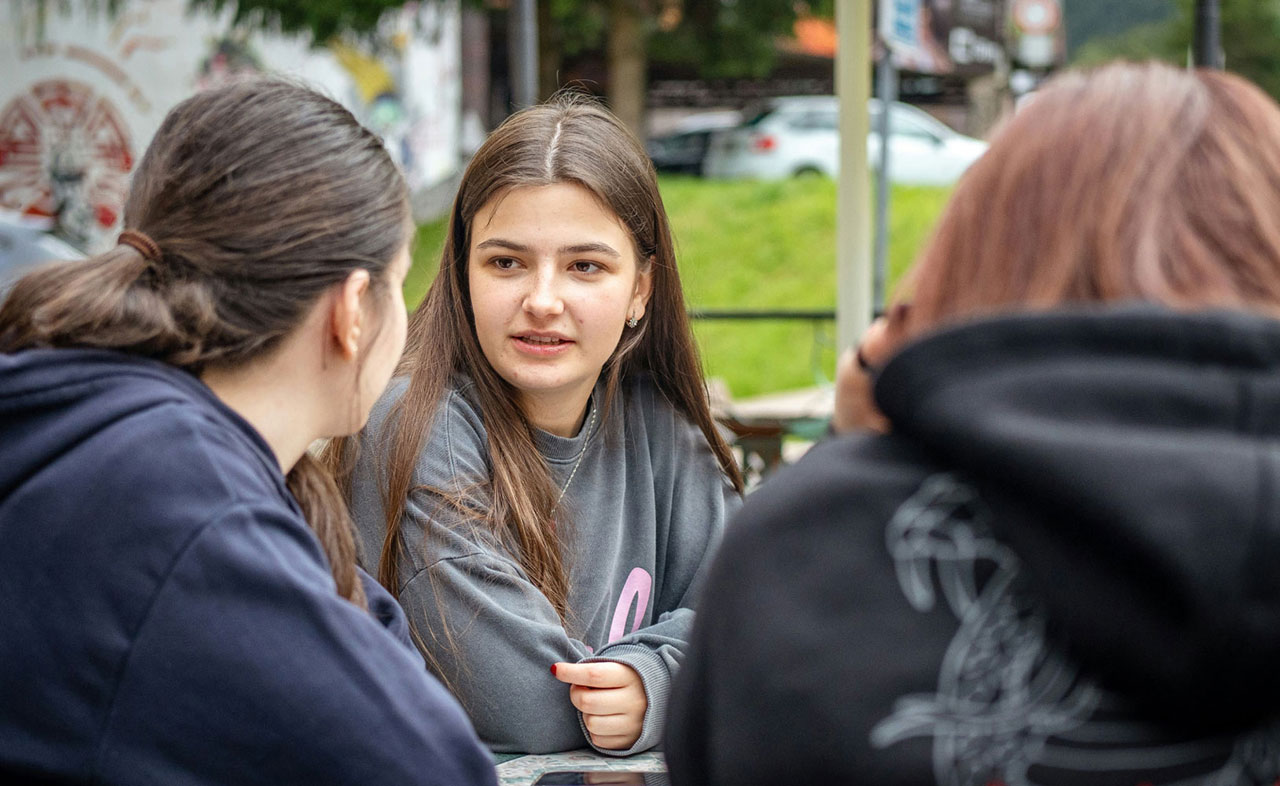
Trying something new — like making a new friend — can feel uncomfortable and awkward at first. That’s perfectly natural! Even people who seem like they have many friends — because they post lots of photos on social media or they always sit with an established crowd in the cafeteria — may sometimes feel lonely, nervous, or self-conscious.
Initiating a conversation might be awkward at first, but the more you practice, the easier it will feel. It’s okay if there are pauses or silences, or if it takes a few tries to really start talking to someone.
Part of being nervous about starting a conversation is a fear of rejection. You may have worries such as, what if the person doesn’t seem interested, judges me, or shuts me down? Here are some ways to handle those kinds of thoughts:
- Think about how you would react if someone initiated a connection with you. Remembering that you wouldn’t judge or ignore someone can help you believe that others won’t do that you, either.
- Practice. Striking up low-stakes conversations can help you build confidence to do so with potential friends. Try saying “thank you” to the barista at the coffee shop one day and asking how their day is going the next. When your family orders takeout, offer to go in and get the food, and low-key ask the person at the counter if they’re having a busy night.
- Check the facts. Are your worries based on your own fears, or how you’ve actually seen this person act in the past? If they act unkindly toward others, they’re probably not someone you want to start a friendship with. If you know them to be a kind person, chances are they’ll be receptive to you, too.
- Don’t give up right away. The other person may be shy, or you may catch them at a bad time. If they’re not immediately warm, or if they give you mixed signals, it’s okay to try again if you think the friendship could have potential.
- Avoid catastrophizing. If someone doesn’t seem interested in connecting with you, it doesn’t mean that no one likes you or that you’ll never have friends.
- Have a “what if?” plan. What if someone judges you or rejects you? That probably says more about the person’s preferences than about your value. Similarly, if someone isn’t showing up as a good friend, that says more about their limitations than the treatment you deserve. There are plenty of other people to connect with. Be okay with “no” because it opens up space for “yes” with someone else.
- Talk to role models. A parent, sibling, or trusted adult likely went through awkwardness and rejection at some point. Ask how they handled it and how they developed positive social connections.
Friendship starts with you
Remember that to have a friend, you need to be a friend. Ask yourself: What makes someone a good friend? (For ideas, see What do healthy relationships look like? ) Are you acting that way with others? This doesn’t mean you need to be perfect — we all have our off days, and good friends support each other through tough times. But think about what you value in a friendship — such as kindness, support, or humor — and consider how you demonstrate those values yourself.
Make sure you’re being a good friend to yourself, too. Practice self-care, as well as self-worth — remind yourself that you deserve to be loved, valued, and respected.