










The emotional aftermath of a heart attack
Sadness, worry, and irritability are common after a heart attack. If negative emotions are hindering your recovery, seek help.
- Reviewed by Jeffery Huffman, MD, Contributor
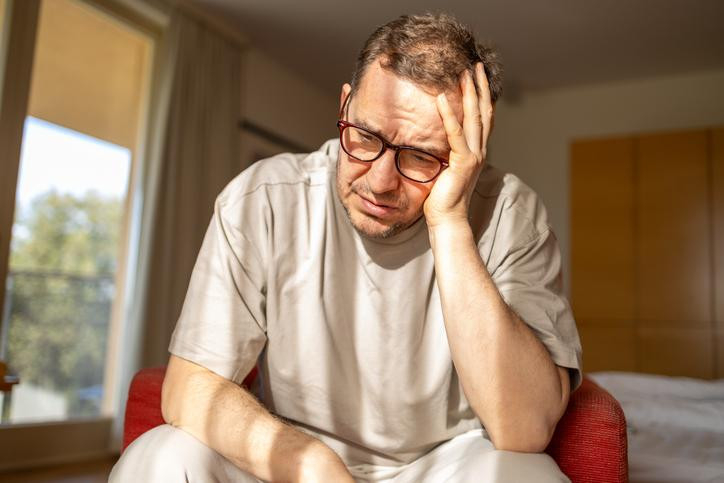
After a potentially life-threatening event like a heart attack, negative emotions are not only normal but common. Up to half of all heart attack survivors experience some type of psychological distress. Some feel down in the dumps or hopeless about the future, while others may be gripped by anxiety and afraid they'll have another heart attack.
"A heart attack can be an abrupt event. All of a sudden, you feel horrible and are rushed to the hospital. Feeling deeply shaken and emotionally unsteady is completely understandable," says Dr. Jeffrey Huffman, professor of psychiatry at Harvard Medical School and director of the Cardiac Psychiatry Research Program at Massachusetts General Hospital. Recognizing that such feelings are normal can be reassuring. But it's important not to downplay the possible repercussions of prolonged emotional distress following a heart attack, he adds.
Emotional problems after a heart attack
Psychological distress is increasingly recognized as both a cause and consequence of heart disease, according to a scientific statement from the American Heart Association (AHA). There's even a name for negative emotions after a heart attack: post-myocardial infarction psychological distress (PMPD). It's an umbrella term that includes the conditions below, which can occur alone or together, says Dr. Huffman, a co-author of the statement.
Depression. Hallmark symptoms include persistent sadness, loss of interest in pleasurable activities, and related symptoms including not feeling hungry, trouble sleeping, fatigue, and difficulty concentrating.
Anxiety. Classic symptoms are worry, rumination, panic, and related symptoms such as chest pain that may come and go or persist for longer periods of time. Cardiac anxiety refers to fear of another heart attack or death, as well as being acutely aware and afraid of heart-related sensations such as palpitations and chest tightness. (Of course, chest pain, tightness, or palpitations may be due to recurrence or a complication of a heart attack, so review these symptoms with your doctor rather than simply assuming they're due to anxiety.)
Psychosocial stress. This includes emotional strain, pressure, or tension caused by daily and challenging events.
Post-traumatic stress disorder (PTSD). This term refers to a constellation of specific symptoms - including nightmares, flashbacks, being easily startled, and trouble with normal day-to-day functioning - that occurs in the context of a life-threatening event (like a heart attack).
Depression and anxiety often go hand in hand. That combination of negative emotions, layered with psychosocial stress, can sometimes manifest as anger or irritability, especially in men, says Dr. Huffman. "When you're really upset about something as fundamental as your health, day-to-day stressors that wouldn't normally affect you can really set you off," he adds. Although less common than the other conditions, estimates of the incidence of PTSD range from 4% to 21% in the months after a heart attack, according to the AHA statement.
Advice for loved ones
What if you notice that a family member or friend who's recently had a heart attack seems to be struggling with their emotions? A precipitating event like a heart attack often triggers specific assumptions or concerns, Dr. Huffman says. "For example, someone might be afraid to go for a walk for fear of having another heart attack, while another may fret that their family members or other people perceive them as being weak," he says. You might gently ask the person to identify their main worry, and then suggest possible solutions such as confirming with their cardiologist which activities they can safely do, for example. But if negative emotions interfere with a person's ability to participate in their recovery plan, it's time for them to alert the medical team.
The brain-heart connection
Depression, anxiety, and stress cause biological changes that affect the cardiovascular system. In particular, they promote inflammation, which may damage blood vessels and make blood clots more likely. Elevated stress hormones also boost blood pressure and heart rate. "But the effects on people's behavior are even more important," say Dr. Huffman. People with PMPD are far less likely to embrace healthful behaviors like improving their diet, becoming more active, and even taking their medications regularly - all of which can affect their prognosis, he adds. PMPD is associated with a higher risk of future heart attacks and related problems.
Reversing course with cardiac rehab
The best way to get treatment for PMPD is cardiac rehabilitation - a medically supervised, customized program of education and exercise designed to help people recover from heart-related problems. "Not only will you be around people in the same boat, you'll get a psychological assessment and help finding therapy," says Dr. Huffman.
Image: © Kate Wieser/Getty Images
About the Author

Julie Corliss, Executive Editor, Harvard Heart Letter
About the Reviewer

Jeffery Huffman, MD, Contributor
Disclaimer:
As a service to our readers, Harvard Health Publishing provides access to our library of archived content. Please note the date of last review or update on all articles.
No content on this site, regardless of date, should ever be used as a substitute for direct medical advice from your doctor or other qualified clinician.


