








Why do I feel so cold all the time?
Ask the doctor
- Reviewed by Robert H. Shmerling, MD, Senior Faculty Editor, Harvard Health Publishing; Editorial Advisory Board Member, Harvard Health Publishing
Q. I always feel cold, even in the summer. What might cause this, and should I get checked out?
A. It may be a good idea to visit your doctor, especially if this is persistent and new for you. There are many possible reasons for feeling cold even in a warm environment. For example:
Low body weight. Both fat and muscle help keep the body warm. Muscle activity generates heat, and fat acts as insulation. If you have lost significant weight (intentionally or not) or have always been thin, you might be more sensitive to colder temperatures. Unintentional weight loss can signal serious illness.
An underactive thyroid (hypothyroidism). Feeling cold is a common symptom. A blood test can determine if you have this problem.
Low red blood cell count (anemia). Anemia can make a person feel cold, although it’s unusual for it to cause an extreme cold feeling. A blood test can check for anemia.
Raynaud’s phenomenon. Our normal response to cold temperatures is to move blood away from the skin to keep the internal organs warm. In people with Raynaud’s, that response is exaggerated. The blood vessels narrow excessively, and blood flow to the skin drastically drops, particularly in the fingers and toes. People with this condition tend to be much more sensitive than other people to even minor drops in temperature.
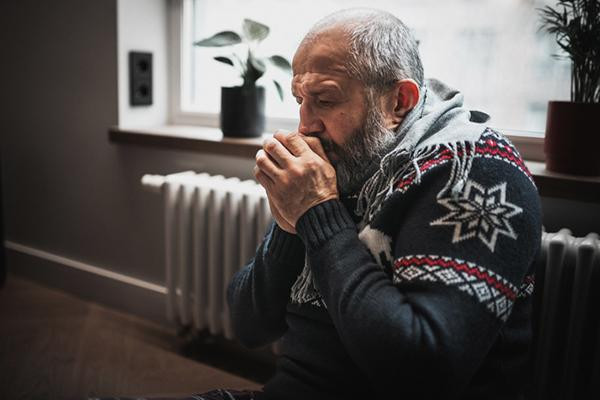
Image: © da-kuk/Getty Images
About the Author

Matthew Solan, Former Executive Editor, Harvard Men's Health Watch
About the Reviewer

Robert H. Shmerling, MD, Senior Faculty Editor, Harvard Health Publishing; Editorial Advisory Board Member, Harvard Health Publishing
Disclaimer:
As a service to our readers, Harvard Health Publishing provides access to our library of archived content. Please note the date of last review or update on all articles.
No content on this site, regardless of date, should ever be used as a substitute for direct medical advice from your doctor or other qualified clinician.