





Mesothelioma
- Reviewed by Robert H. Shmerling, MD, Senior Faculty Editor, Harvard Health Publishing; Editorial Advisory Board Member, Harvard Health Publishing
What is mesothelioma?
Mesothelioma is a rare form of cancer that affects the thin membranes that line most of the body's organs. In the lungs and chest cavity, this membrane is called the pleura. In the abdomen, it is called peritoneum. The membrane around the heart is called the pericardium. Mesothelioma most often affects the lungs.
Most cases of mesothelioma are caused by exposure to asbestos. Asbestos is a naturally occurring mineral. It was once used in a variety of industrial products including:
- insulation
- cement
- roof shingles
- flooring
- brake linings.
People who made these products or worked in certain industries, such as shipbuilding, have an increased risk of mesothelioma because they may have inhaled or swallowed dust containing asbestos particles. If they went home with dust on their clothing, family members may have been exposed to asbestos, too.
Some cases of mesothelioma have been linked to other causes. These include genetic factors (such as mutations in the BRCA1-associated protein-1, or BAP1 gene), radiation therapy, and exposure to certain mineral fibers (such as erionite). In the absence of asbestos exposure, however, the cause is usually unknown.
People exposed to asbestos for a long time, or exposed to high levels of it, have an increased risk of mesothelioma. But even people exposed to asbestos for a short time can develop the disease. Smoking and being exposed to asbestos seem to raise a person's risk even more.
Typically, the disease develops 20 to 40 years after asbestos exposure. People usually are diagnosed with mesothelioma between ages 50 and 70. More men than women get this cancer. That's probably because men are more likely to have worked in industries that used asbestos.
Symptoms of mesothelioma
Almost everyone diagnosed with mesothelioma in the lungs or chest experiences chest pain or shortness of breath as the first symptom. These symptoms can be caused by the cancer itself, which irritates nerve cells in nearby tissues. They can also be caused by fluid building up between the two layers of the pleura.
People with mesothelioma in the abdominal lining may have abdominal pain and swelling caused by fluid buildup there.
Other possible symptoms include
- cough
- fatigue
- unexplained weight loss.
Diagnosing mesothelioma
Your doctor will ask about your symptoms and other medical conditions you have had. He or she will then examine you.
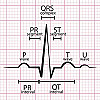
Because symptoms related to mesothelioma can be caused by other medical conditions, your doctor will probably run a few tests. These tests include an electrocardiogram (ECG) to check your heart, and a chest or abdominal x-ray.
If these tests show abnormalities in the lungs or pleura, a computed tomography (CT) scan or a magnetic resonance imaging (MRI) scan are commonly recommended. These imaging studies help your doctor determine the size and location of any tumors in the chest or abdomen.
If you have fluid in your chest or abdomen, your doctor may use a needle or thin tube to remove a small sample of it for examination. (Fluid may also be drained to relieve chest pain and shortness of breath.) Occasionally, mesothelioma can be diagnosed from this fluid sample alone, but in most cases a biopsy is required to confirm the diagnosis. During a biopsy, a small amount of tissue is removed which is then examined under a microscope. Your doctor may also look for masses in your airways or remove lymph nodes.
If your doctor diagnoses pleural mesothelioma, the next step is to determine the cancer's stage. This is a measure of how far the tumor has spread. These are the stages of pleural mesothelioma.
- Stage I: The tumor is only in the lining on one side of the chest or diaphragm. There may be small spots of cancer on the lining of the lung. There are no signs that the cancer has spread to more distant sites.
- Stage II: The cancer involves one side of the chest or diaphragm with invasion of nearby tissues (such as the chest wall). It has not spread to the lymph nodes or to distant sites.
- Stage III: The cancer is large, affects one side of the chest, and may have grown into nearby tissues (such as the chest wall or nearby fat). It has not spread to distant sites.
- Stage IV: The cancer has spread extensively to the chest wall or to bones (such as ribs), the other lung, or other organs. It may have spread to lymph nodes and to distant sites.
Stage I also is called localized disease. Stages II, III, and IV are called advanced disease. If the disease returns after treatment, it is called recurrent mesothelioma.
Doctors don't have an agreed-upon staging system for mesothelioma in the abdomen.
Expected duration of mesothelioma
Mesothelioma will continue to grow and spread until it is treated.
Preventing mesothelioma
To reduce your risk of mesothelioma, avoid asbestos. Because there is no safe level of exposure, any asbestos exposure is too much. Avoid cigarette smoking, especially if you have been exposed to asbestos.
Have an expert check your home for the presence of asbestos. This is particularly important in older homes. When present, asbestos should be professionally removed or sealed off. Have the air quality checked carefully to make sure it is safe to go back into areas that once contained asbestos.
Workers who deal with asbestos-containing materials should wear protective equipment to limit their exposure — and to keep from bringing asbestos dust home on their clothing.
Treating mesothelioma
Mesothelioma can occur either in the lung or in the abdominal cavity. In both places, mesothelioma is difficult to treat. The cancer can spread easily to nearby organs. If it has spread, it is nearly impossible to remove the entire tumor.
In addition to surgery, mesothelioma is primarily treated with radiation therapy and chemotherapy. There is no standard treatment for recurrent mesothelioma. Generally, treatment of recurrent mesothelioma includes therapies that were not used with initial treatment.
Surgery (for mesotheliomas that arise from the surface of the lung)
Before surgery is considered, your overall health will be evaluated. Tests are done to
- make sure the cancer has not spread to distant sites
- see how well your lungs and heart are functioning
- check for any signs of lung damage from tobacco or other diseases.
These tests help assess how risky surgery would be, especially if a lung needs to be removed.
Surgery for mesothelioma can be aimed at long-term control of the cancer (aggressive surgery) or relief of symptoms (palliative procedures).
Aggressive surgery involves removing the pleura, lung, diaphragm, and pericardium. The intent of this complicated surgery is to remove as much of the tumor as possible. Not all medical centers will do this procedure because it is so complex. Also, patients have a high risk of death in the month after surgery.
Surgeons typically perform aggressive surgery only in younger patients with good overall health, and stage I disease who have a particular type of tumor (called pure epithelial). They evaluate patients carefully to make sure they can tolerate the surgery. Few patients have aggressive surgery. When aggressive surgery is not appropriate, chemotherapy or a combination of surgery, chemotherapy, and radiation may be recommended.
When mesothelioma is advanced, palliative procedures can relieve or control symptoms. For example, doctors can relieve pain and breathlessness by draining fluid buildup in the chest or abdomen. Talc may be injected into the space to stop fluid from accumulating there. The pleura may also be removed to reduce pain caused by the tumor or to prevent fluid from building up.
If the disease is in the abdomen, surgery is generally aimed at relieving symptoms.
Radiation therapy
Doctors generally have a very difficult time delivering enough radiation to kill the tumor without damaging nearby organs. Lower doses of radiation can shrink the tumor, but it's unclear whether this helps people live longer than if they were not treated.
Radiation after surgery may not prolong survival. But because surgery is very unlikely to remove the entire tumor, radiation might still be considered to kill additional cancer cells. Radiation therapy can also be used to relieve symptoms of mesothelioma, including chest pain.
Chemotherapy
Chemotherapy is the use of medication to treat cancer. Most chemotherapy drugs are injected intravenously (into a vein). Chemotherapy cannot cure mesothelioma, but some drugs can help in some patients. Using more than one drug at a time may improve the patient's response to the medications.
As with radiation therapy, chemotherapy may be given after surgery in an attempt to kill cancer cells that could not be removed.
Immunotherapy
The FDA has approved the combination of two immunotherapy drugs, nivolumab (Opdivo) and ipilimumab (Yervoy), as an alternative to chemotherapy for unresectable malignant pleural mesothelioma. This combination may be particularly helpful for people with unresectable disease and tumor cells that are not epithelial.
Clinical trials and investigative treatments
New treatments for mesothelioma, along with a vaccine that might prevent the disease, are in clinical trials. Clinical trials evaluate the safety and effectiveness of new treatment before they are widely used. There are no guarantees that a new treatment will work, and there are some risks. However, researchers don't start clinical trials unless they believe a treatment may have some value.
Some investigational treatments for mesothelioma that could prove helpful include:
- Combination chemotherapy: Different combinations of chemotherapy drugs have been tried with mixed results.
- Intracavitary chemotherapy: Chemotherapy drugs are put directly into the chest or abdomen. As a result, much larger doses can be given to patients without causing severe side effects. Some studies have shown that this therapy can control fluid build-up and reduce tumor size.
- Brachytherapy (intracavitary radiation therapy): In this treatment, a radioactive substance is placed directly into the chest or abdomen.
- Multimodality therapy: This involves any combination of surgery, radiation therapy, immunotherapy, and chemotherapy.
- Gene therapy: A genetically altered virus is put into the tumor. The virus infects cancerous cells and makes them more vulnerable to anticancer drugs.
When to call a professional
Call your doctor right away if you have any symptoms of mesothelioma, such as shortness of breath or chest pain — especially if you have been exposed to asbestos.
Prognosis
The prognosis depends on the size of the tumor, how early it is detected, and whether it can be completely removed with surgery. Mesothelioma is often advanced when it's diagnosed, making the outlook poor.
In addition, people who have been treated for mesothelioma are at increased risk for developing a second cancer such as lung cancer.
Additional info
National Cancer Institute (NCI)
https://www.nci.nih.gov/
American Cancer Society (ACS)
https://www.cancer.org/
American Lung Association
https://www.lung.org/
National Heart, Lung, and Blood Institute (NHLBI)
https://www.nhlbi.nih.gov/
National Institute for Occupational Safety and Health
https://www.cdc.gov/niosh/
About the Reviewer

Robert H. Shmerling, MD, Senior Faculty Editor, Harvard Health Publishing; Editorial Advisory Board Member, Harvard Health Publishing
Disclaimer:
As a service to our readers, Harvard Health Publishing provides access to our library of archived content. Please note the date of last review or update on all articles.
No content on this site, regardless of date, should ever be used as a substitute for direct medical advice from your doctor or other qualified clinician.