Indoor air quality and heart health
New evidence that portable home air filters can lower blood pressure underscores the link between air pollution and cardiovascular disease.
- Reviewed by Christopher P. Cannon, MD, Contributor
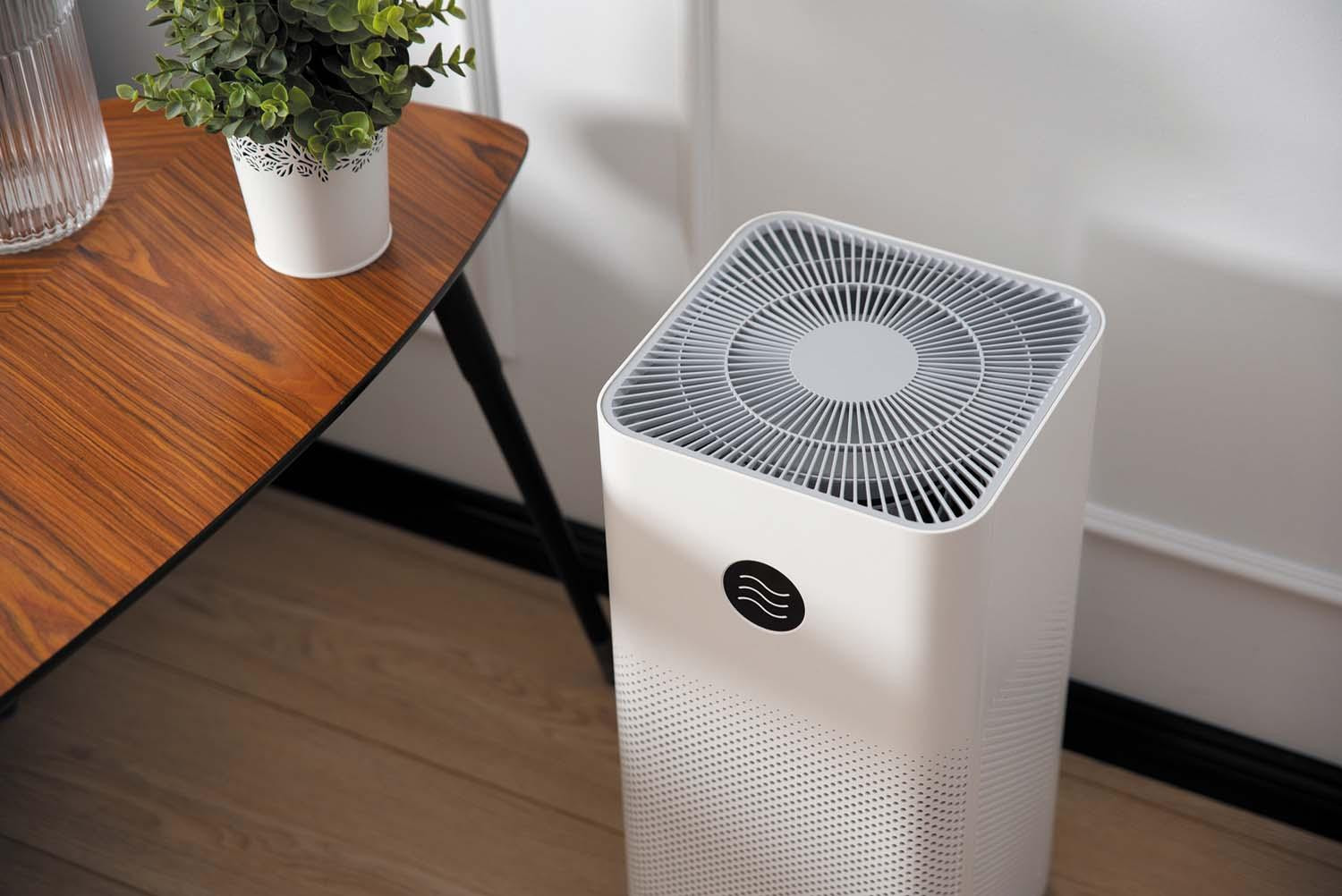
Vehicle exhaust, coal-fired power plant emissions, wildfire smoke, and other sources of air pollution contain tiny, invisible particles that can raise the risk of high blood pressure and heart problems. New research finds that using a high-efficiency particulate air (HEPA) filter to trap those pollutants may help lower blood pressure for people living near busy roads.
Published Aug. 6, 2025, in the Journal of the American College of Cardiology, the study included 154 people who lived within about two blocks of a major road. The results showed that in people with elevated blood pressure, use of a portable HEPA air filter machine at home for a month lowered their systolic blood pressure (the first number in a reading) by an average of three points compared to another month in which they used a machine without a HEPA filter.
"This study shows that outdoor air quality is a threat to indoor air quality, but also that taking simple steps to reduce harmful particles in the air can improve your health," says Joseph Allen, director of the Healthy Buildings Program and a professor in Environmental Health at the Harvard T.H. Chan School of Public Health.
How pollution harms the heart
Nearly a quarter of Americans live near vehicle-congested roads, according to the study. Many more people are exposed to pollution from wildfire smoke, since the particles from fires - for example, in Canada and the Pacific Northwest - can travel thousands of miles, Allen says.
Yet even relatively low levels of air pollution that comply with EPA air quality standards are linked to an increased risk of heart attack and stroke. Of particular concern are particles less than 2.5 microns in diameter, known as PM2.5, which are so minuscule they aren't trapped by the body's own filters in the nose and upper airway. The particles travel deep down into the lungs and enter the bloodstream, creating inflammation that damages blood vessels and contributes to high blood pressure. They also irritate receptors and trigger nerves involved in regulating your heart rate, breathing, and other vital functions, placing added stress on your cardiovascular system.
Outdoor air enters buildings though open windows, doors, and ventilation systems, and this circulating fresh air can improve indoor air quality. But when PM2.5 levels are high outside, levels can rise indoors as well. "A portable air cleaner with a HEPA filter can help control air pollution inside your home, which I think is a good strategy for everyone," says Allen. This advice may be especially relevant for people who live close to busy roads and who have or are at risk for heart disease. Using a HEPA filter can also reduce the spread of airborne viruses, such as influenza and COVID. Severe cases of these infections can increase the risk of heart attack and stroke. Particle pollution can also worsen allergies and asthma and may even contribute to neurological and immune system disorders, he adds.
Tracking air quality outside and insideTo keep tabs on your local outdoor air quality, check AirNow, a government website that compiles information from multiple agencies and reports pollution levels using a color-coded scale. Local news outlets also often report this information. In addition, you can check the air in your home with an indoor air quality monitor; just be sure to choose one that measures PM2. These devices cost between $70 and $140. |
Choosing a home air cleaner
Focusing on indoor air quality makes sense, given that the average person spends about 90% of their time indoors, mostly at home. In the study, participants had HEPA air cleaners in their living rooms and bedrooms. "We spend about a third of our indoor time in our bedrooms, so improving the air quality in that room alone can help," says Allen.
He recommends choosing a device with a clean air delivery rate (CADR) of at least 300, making sure to consider the size of the room where it will be used. Be sure to replace the filter regularly (usually every six to 12 months) according to the manufacturer's recommendation. Some machines can be distractingly loud, so select one that's relatively quiet - no more than 50 decibels, which is similar to a sound of a humming refrigerator. Depending on the size of the room, you can expect to pay $150 to $300 to meet those specifications, says Allen.
Image: © simpson33/Getty Images
About the Author

Julie Corliss, Executive Editor, Harvard Heart Letter
About the Reviewer

Christopher P. Cannon, MD, Contributor
Disclaimer:
As a service to our readers, Harvard Health Publishing provides access to our library of archived content. Please note the date of last review or update on all articles.
No content on this site, regardless of date, should ever be used as a substitute for direct medical advice from your doctor or other qualified clinician.