Taming high blood pressure: How doctors find the right drug mix

Easy ways to add tofu to your diet

Red eyes, dry eyes, and more: Top questions for your eye doctor

The most effective types of exercise to lower blood pressure

Insufficient sleep linked to higher risk of atrial fibrillation

The best foods high in potassium — and why you need them

How to protect your health in a power outage

Can juicing help you get more fruits and vegetables?
Scoliosis treatment: Can it help as you get older?

Physical therapy provides modest improvement for chronic low back pain
Ask the Doctor
Articles
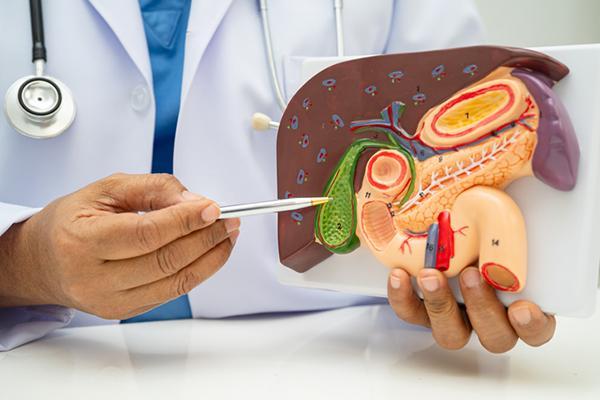
Do gallstones always need treatment?
Not all cases of gallstones need treatment. Many people have gallstones that never cause pain or other symptoms and can be left alone. But if gallstones cause persistent pain or other symptoms, doctors often opt to surgically remove the gallbladder.

Is MRI contrast dye safe?
MRI contrast dye is widely used and considered safe. It helps highlight blood vessels, tumors, and other structures to improve diagnostic accuracy. Rarely, contrast dye can trigger a serious condition called nephrogenic systemic fibrosis in people with advanced kidney disease.

Why are heart attacks more common in the morning?
A number of physiological changes driven by the body's internal clock help explain why heart attacks are more common in the morning. These changes include factors involved in blood pressure, blood clot formation, and inflammation.

How does blood pressure work?
Blood pressure is the push of blood through the body, like water through a hose. Pressure depends on how hard the heart pumps, how much blood there is, and how tight small vessels are, all influenced by hormones, salt, fluids, and stress.

What is non-HDL cholesterol?
For many people, non-HDL cholesterol (which is total cholesterol minus HDL cholesterol) may be as good as (or even more reliable than) LDL for assessing a person's risk of heart problems.

Can you have Alzheimer's without symptoms?
More than 30% of adults over 70 have amyloid or tau (proteins implicated in the development of Alzheimer's disease) in their brains yet have no apparent cognitive problems. This may indicate greater cognitive reserve, the brain's ability to compensate for damage.

Is food sequencing worth a try?
Food sequencing calls for eating vegetables and protein before carbohydrates to help stabilize blood sugar and control appetite. Research suggests this pattern may reduce blood sugar spikes and lower hunger hormones, and it may naturally lead to eating fewer carbohydrates.

What is statin intensity and how should it guide my treatment?
Statin dosages fall into three categories (low, moderate, or high) based on how much the medication can lower LDL. The choice of a statin depends on a person's risk.
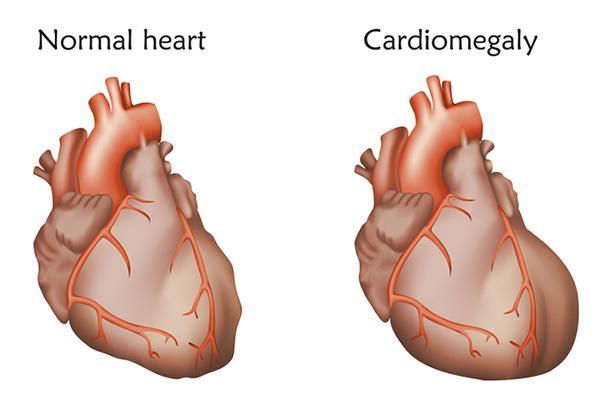
What can cause an enlarged heart?
An enlarged heart has many possible causes, including conditions that force the heart to work harder than usual (such as chronic high blood pressure or heart valve problems) and different types of cardiomyopathy (heart muscle disease).

What could be causing my nighttime gasping for breath?
Sudden gasps for air at night can be alarming. Explore how allergies, blocked airways, or more serious sleep and heart problems might be involved.
Taming high blood pressure: How doctors find the right drug mix
Easy ways to add tofu to your diet
Red eyes, dry eyes, and more: Top questions for your eye doctor
The most effective types of exercise to lower blood pressure
Insufficient sleep linked to higher risk of atrial fibrillation
The best foods high in potassium — and why you need them
How to protect your health in a power outage
Can juicing help you get more fruits and vegetables?
Scoliosis treatment: Can it help as you get older?
Physical therapy provides modest improvement for chronic low back pain
Free Healthbeat Signup
Get the latest in health news delivered to your inbox!
Sign Up