

Naturally gluten-free foods

Harvard study: Healthier fats linked to longer life after prostate cancer diagnosis

Shingrix shingles vaccine linked with lower heart disease risks

Estrogen-only hormone therapy tied to lower dementia risk
Should you have a hysterectomy?

Stair climbing may significantly lower cardiovascular risks

Why do I sweat so much?

Walking pneumonia: The "mild" illness that can still pack a punch

What causes knee pain: How doctors make a diagnosis

Where you carry excess weight matters in predicting heart disease risk
Women's Health Archive
Articles

Why are women using CBD products — and do they work?
Many products containing CBD claim to help women with various health issues, including sleep, mood, symptoms of PMS or menopause, and sexual pleasure. Currently, very little evidence supports these extravagant promises, and there are concerns about the quality and safety of CBD products.

Straight talk on planking
Your core muscles are your body’s foundation, and the plank pose is a great exercise to do to help build core strength—it’s challenging but not complicated. Here’s everything you need to know to plank correctly.

Sexual and gender minorities face unique health risks
Memory problems and confusion are just the newest in a list of health problems that appear to disproportionately affect LGBT individuals.
Past research has shown that sexual and gender minority groups may be at higher risk for certain health conditions, including cardiovascular disease and mental health disorders such as anxiety and depression. A new study suggests that another condition — dementia — may also be on that list. Findings presented at the 2019 Alzheimer's Association International Conference showed that people who identified as a sexual or gender minority were more likely than other people to report worsening memory or increased confusion over the past year.
It's possible that some of the same underlying factors that affect risk of other diseases are playing a role in these reported cognitive changes as well, says Dr. Ole-Petter R. Hamnvik, an assistant professor of medicine at Harvard Medical School. "Almost any health outcome that you look at, you can find disparities in these groups. It's not just dementia," he says.

Women with post-traumatic stress disorder may be at higher risk for ovarian cancer
Research we're watching
Could a traumatic experience raise the risk of ovarian cancer? Researchers at the Harvard T.H. Chan School of Public Health and Moffitt Cancer Center found that women who remembered experiencing six or more symptoms of post-traumatic stress disorder (PTSD) had double the risk of later developing ovarian cancer, compared with women who had not reported PTSD symptoms. They were also more likely to develop a more aggressive form of the cancer. The researchers looked at data from more than 50,000 women who participated in the Nurses' Health Study II. Early in the study, women were asked to identify their most stressful life experience and any PTSD symptoms they had experienced following that event. Researchers then looked to see which of the women went on to develop ovarian cancer. The study, published Sept. 5 in Cancer Research, found higher cancer risk persisted even if a woman's PTSD symptoms had occurred decades in the past. Past animal research suggests that stress hormones may spur tumor growth.
Image: martinedoucet/Getty Images
PrEP prevents HIV — so why aren’t more people taking it?
PrEP (pre-exposure prophylaxis) is a daily medication taken to prevent HIV infection. While multiple studies show PrEP is effective, relatively few of those who might benefit are taking it. Will a 10-year initiative to reduce rates of HIV and a new formulation of PrEP help?
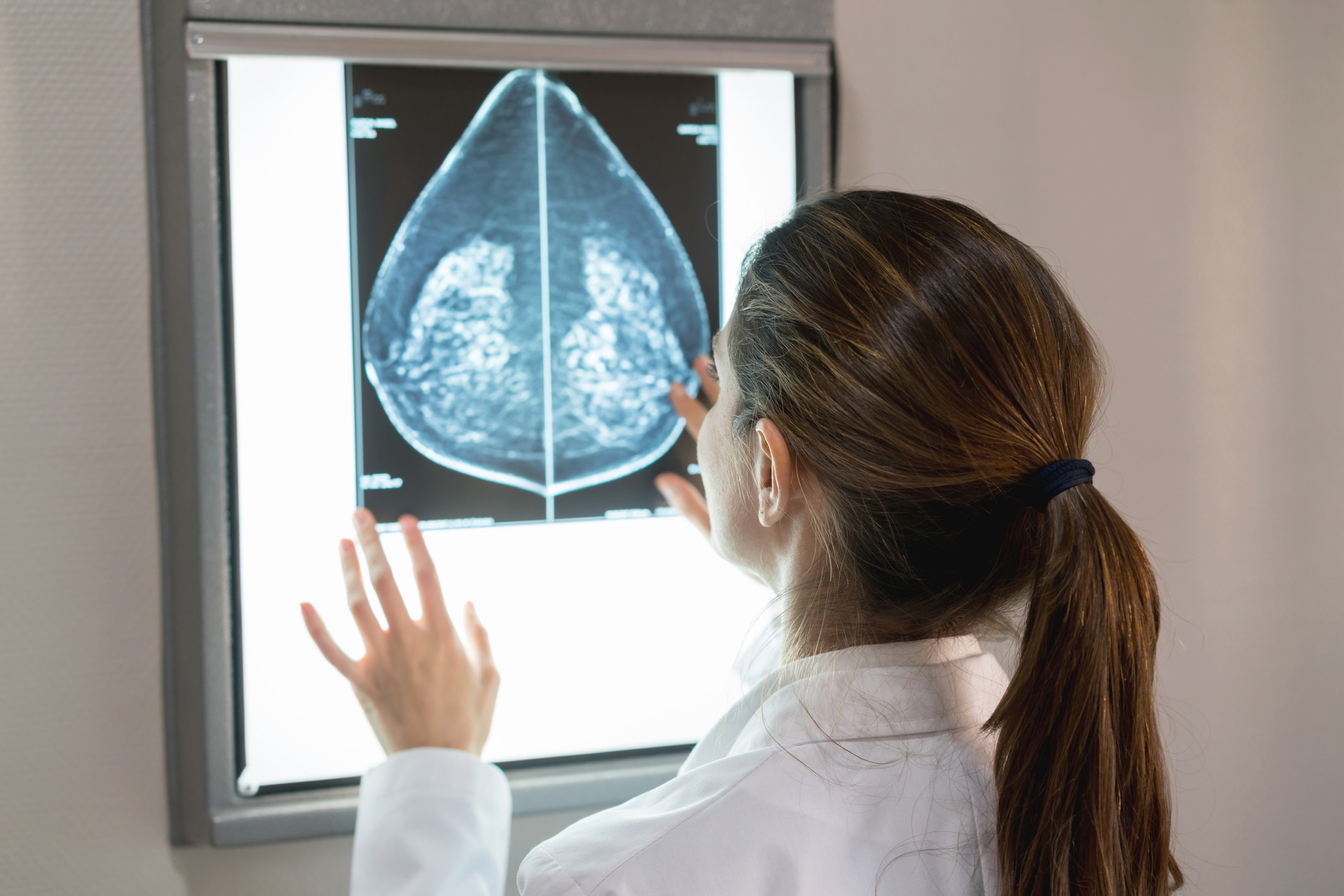
Dense breasts on a mammogram? What to know and do
Mammograms look for signs of breast cancer. They can also provide information on whether a woman has high breast density, which slightly increases risk for developing breast cancer. Here’s what you need to know and do if you’re notified about this risk factor.
When sex gives more pain than pleasure
Dyspareunia is a common problem for many postmenopausal women.
Millions of women experience pain before, during, or after sexual intercourse—a condition called dyspareunia (from the Greek dyspareunos, meaning "badly mated"). This condition not only saps sexual desire and enjoyment, it can also strain relationships and erode quality of life in general. For postmenopausal women, dyspareunia may also raise concerns about aging and body image.
Many women suffer in silence and don't seek the help they need, or they have trouble finding a clinician who can diagnose and treat the causes of their pain. That is unfortunate, because treatments are available for many of the problems that underlie this vexing condition.

Will my endometriosis go away after menopause?
Ask the doctors
Q. I've had endometriosis since I was in my 30s. I'm now approaching menopause. Will my symptoms get better or even go away after menopause?
A. Possibly, but not always. Endometriosis is a condition in which tissue that resembles the tissue that lines the uterus, called endometrial tissue, grows in other locations inside the body. Typically, it grows on structures and organs in the pelvis, such as the ovaries, fallopian tubes, bladder, or bowels. When a woman menstruates, this tissue behaves like the lining of the uterus and bleeds. But because this blood has no way to exit the body, it pools inside. This leads to pain, inflammation, and scarring.
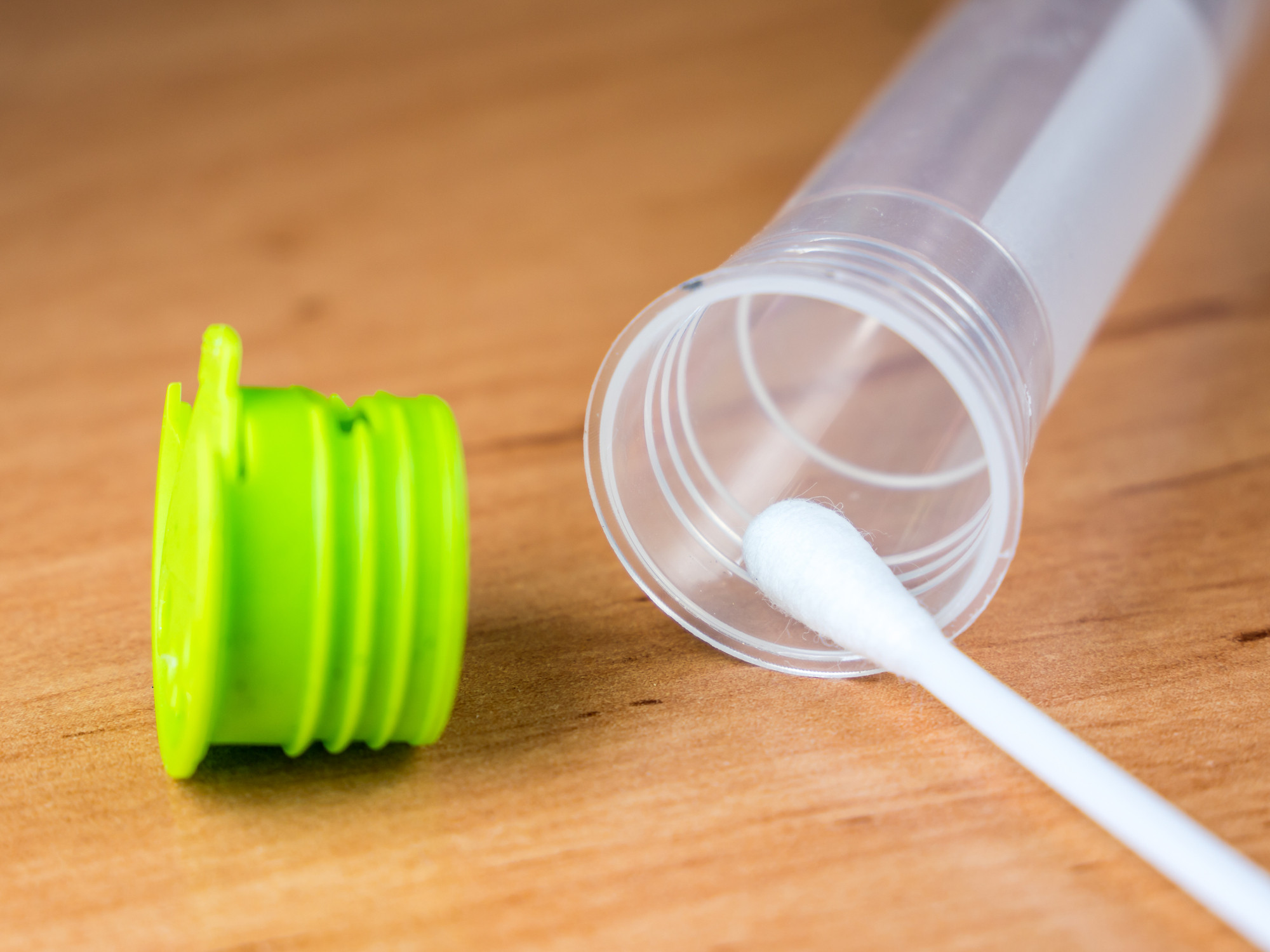
What donor offspring seek when they do DNA testing
Readily available DNA testing unexpectedly changed some family trees. But people who grew up knowing –– or recently learned –– they were donor-conceived may have differing reasons for wanting to better understand their personal stories.

A new drug for low sexual desire in women: Bremelanotide
The FDA approved a new medication that may help some women experiencing low sexual desire, but there are restrictions on who can take it, and side effects to consider.
Naturally gluten-free foods
Harvard study: Healthier fats linked to longer life after prostate cancer diagnosis
Shingrix shingles vaccine linked with lower heart disease risks
Estrogen-only hormone therapy tied to lower dementia risk
Should you have a hysterectomy?
Stair climbing may significantly lower cardiovascular risks
Why do I sweat so much?
Walking pneumonia: The "mild" illness that can still pack a punch
What causes knee pain: How doctors make a diagnosis
Where you carry excess weight matters in predicting heart disease risk
Free Healthbeat Signup
Get the latest in health news delivered to your inbox!
Sign Up
