

Vitamins, minerals & supplements Archive

Articles

Less may be more when treating urinary tract infections
Researchers found that treating urinary tract infections with antibiotics for seven days was just as effective as treatment lasting 14 days. The shorter duration also can reduce the risk of medication side effects like diarrhea and nausea.

Nationwide sugar reductions projected to save health and lives

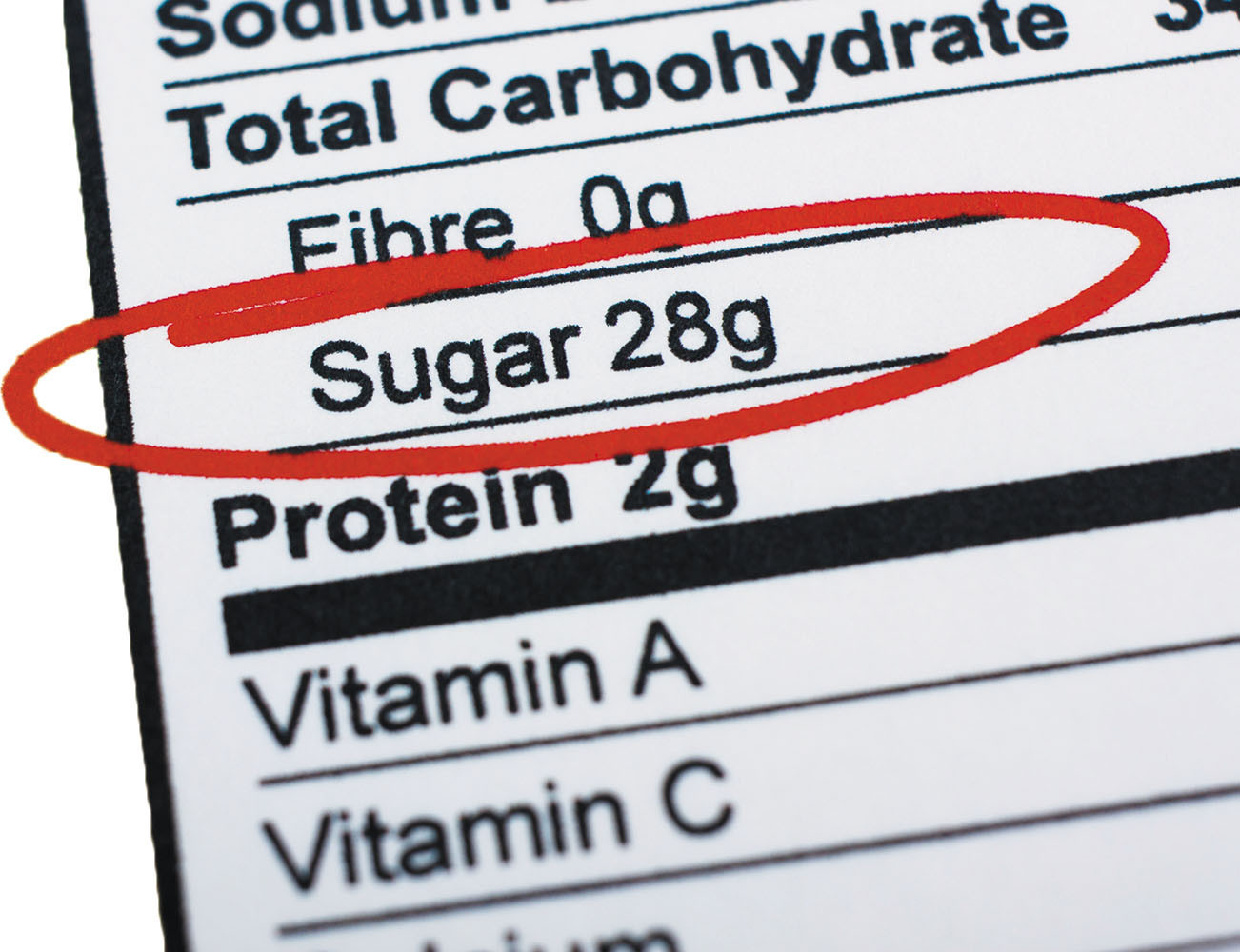
A study published Aug. 27, 2021, in Circulation suggests that reducing sugar from packaged foods and sweetened drinks would prevent about 2.5 million heart attacks, strokes, and cardiac arrests, and prevent half a million cardiovascular deaths.

Is your medication making you lightheaded?

Many medications can cause lightheadedness, such as drugs to treat depression, high blood pressure, or bladder problems. It’s important to learn about a medication’s potential side effects and be on high alert if lightheadedness is a possibility. A person can jot down the day and time a drug is taken as well as any side effects that follow; those details can help a doctor determine if changes in medicines are required. Someone who continues to feel lightheaded after about a week should report it to the doctor.

Are these "healthier" choices really better for you?

Foods promoted as healthier options to traditional favorites are sometimes nutritional winners and sometimes not. Chicken sausage does have advantages over traditional pork sausage, but processed veggie chips are often no better than potato chips. People shouldn’t assume that a product is nutritionally superior until they read the label. Things to compare include calories, saturated fat, added sugars, sodium, and fiber.

Drug therapy needs time to treat heart-related chest pain

Chest pain with exertion affects about one-quarter of people with stable coronary artery disease. A 2021 study found that these individuals can often eliminate their symptoms by following conservative drug therapy, without needing a stent or bypass surgery.

Why are mRNA vaccines so exciting?

The  first vaccines approved in the US to prevent COVID-19 were an entirely new type: mRNA vaccines. Over the past year, they've proven unusually effective and safe. How do mRNA vaccines differ from traditional vaccines, and what makes them so exciting?

Some blood pressure drugs are linked with better memory

A 2021 analysis found that adults ages 50 and older who took an ACE inhibitor such as lisinopril or an ARB like candesartan that crosses the blood-brain barrier scored higher on memory recall tests after three years on the medication, when compared with those who took a different drug in the same class that doesn’t cross over.

Aspirin and bruising

Taking low-dose aspirin may increase bruising and minor bleeding from small cuts. Minor bleeding does not necessarily indicate a greater likelihood of experiencing major bleeding.

Keep ultra-processed foods off the menu

A study published online July 14, 2021, by the BMJ suggests that eating ultra-processed foods is associated with substantially increased risks of developing inflammatory bowel disease, such as Crohn’s disease or ulcerative colitis.

Do statins increase the risk of dementia?

A study published June 29, 2021, by the Journal of the American College of Cardiology (JACC) found no link between statin use and a higher incidence of dementia in adults ages 65 and older, but other studies have described possible cognitive changes related to statin use. Experts say that the benefits of taking a statin for people who have risk factors for cardiovascular disease generally far outweigh the risks. Statin use can reduce the risk of a heart attack or stroke by 25% to 30%.

Free Healthbeat Signup

Get the latest in health news delivered to your inbox!

Sign Up
Harvard Health Publishing Logo

Thanks for visiting. Don't miss your FREE 32-page gift worth $29.95.

PLUS, don’t miss out on your 25% off promo code.

Sign up to get tips for living a healthy lifestyle—You’ll discover powerful, research- backed strategies for health longevity drawn from Harvard Medical School experts—ways to eat for a longer life, build strength and flexibility to stay independent, protect your bones, heart, and brain as you age, and even cultivate the habits linked with “super-agers” who stay sharp and active well into their 80s and 90s—all delivered to your email box FREE.

Harvard Health Publishing Logo

Stay on top of latest health news from Harvard Medical School.

Plus, get a FREE copy of Living Longer, Living Well!.

Harvard Health Publishing Logo

Stay on top of latest health news from Harvard Medical School.

Plus, get a FREE copy of Living Longer, Living Well.








