

Fatty liver disease: Should you be tested?

Even a little exercise linked with lower stroke risk in people with afib

Testosterone therapy without evidence of deficiency may boost heart risk

Weight-loss drug may lower risk of heart attacks and infections

Migraine: How it's diagnosed and what that means

Tricep workouts you can do at home

Mindfulness practices to reduce stress and improve focus

Antihistamines may not offer meaningful relief from eczema symptoms

Overweight and taking blood pressure medications: Study finds it's a trend that's working

FDA approves first mRNA-based flu vaccine
Vitamins, minerals & supplements Archive
Articles

Heart-safer NSAID alternatives
Common pain relievers known as nonsteroidal anti-inflammatory drugs (NSAIDs) carry an added risk of heart problems. Use only what you need and for only as long as you need it. Men with heart problems should be extra cautious.

Saturated fat and low-carb diets: Still more to learn?
Low-carbohydrate diets have been popular for many years, but due to the high amounts of saturated fat, doctors and nutritionists worry about possible increased risk of cardiovascular disease. A study comparing three diets found that eating a high-fat diet did not necessarily raise heart risk, but the types and quantities of food make a difference.

Naps: Make the most of them and know when to stop them

How can I tell if my statin is working?
Statin therapy can help lower the risk of developing new plaques in the arteries and having a heart attack, although the effect may not show up on coronary artery calcium scans that measure the amount of calcium in the walls of the heart's arteries.

Risk factors for benign breast conditions identified

Help for your aching back

Smarter food shopping

What’s new in diabetes drugs
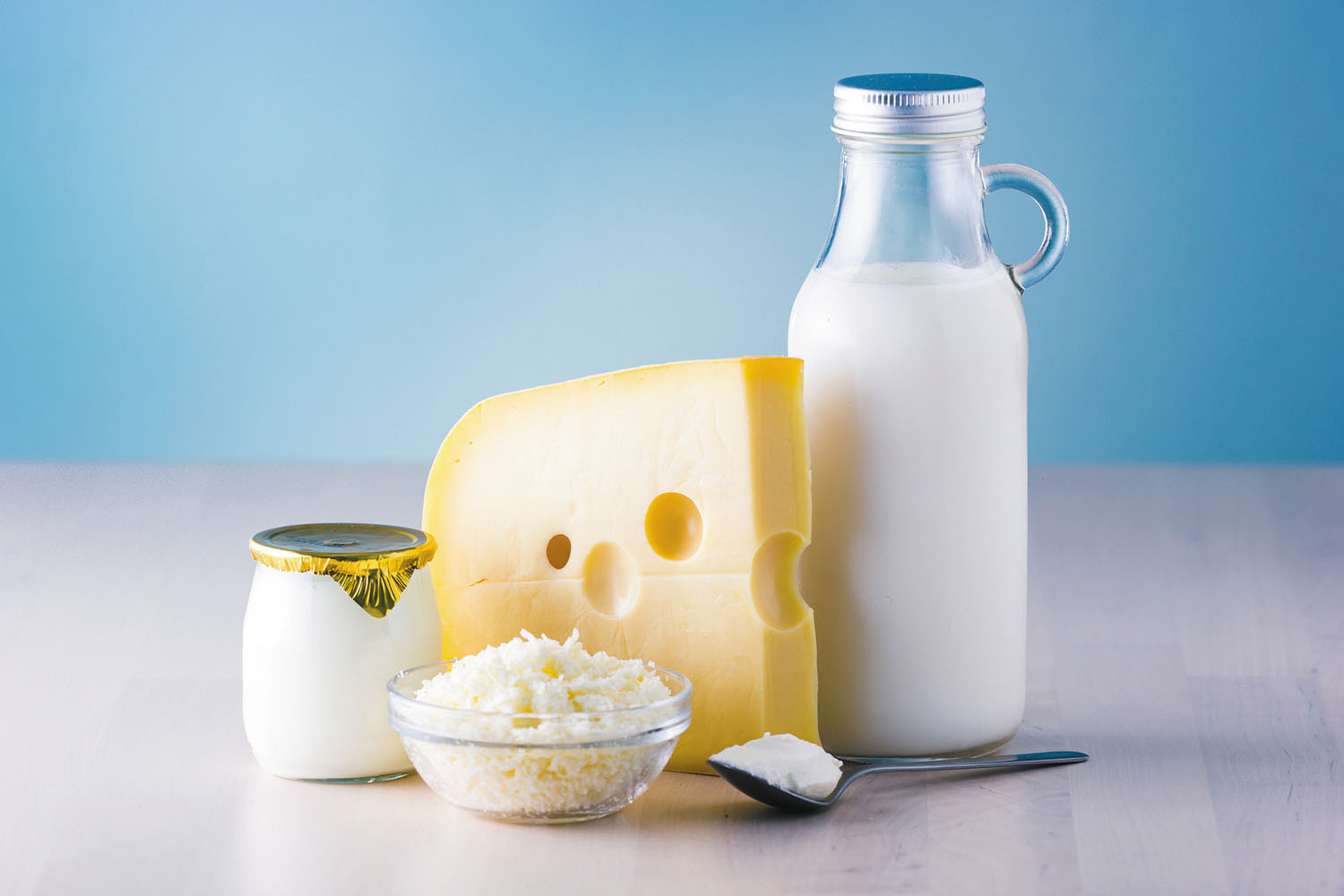
Less heart disease in people with a dairy-rich diet?

Over-the-counter drugs that can boost blood pressure
Fatty liver disease: Should you be tested?
Even a little exercise linked with lower stroke risk in people with afib
Testosterone therapy without evidence of deficiency may boost heart risk
Weight-loss drug may lower risk of heart attacks and infections
Migraine: How it's diagnosed and what that means
Tricep workouts you can do at home
Mindfulness practices to reduce stress and improve focus
Antihistamines may not offer meaningful relief from eczema symptoms
Overweight and taking blood pressure medications: Study finds it's a trend that's working
FDA approves first mRNA-based flu vaccine
Free Healthbeat Signup
Get the latest in health news delivered to your inbox!
Sign Up
