

Fatty liver disease: Should you be tested?

Even a little exercise linked with lower stroke risk in people with afib

Testosterone therapy without evidence of deficiency may boost heart risk

Weight-loss drug may lower risk of heart attacks and infections

Migraine: How it's diagnosed and what that means

Tricep workouts you can do at home

Mindfulness practices to reduce stress and improve focus

Antihistamines may not offer meaningful relief from eczema symptoms

Overweight and taking blood pressure medications: Study finds it's a trend that's working

FDA approves first mRNA-based flu vaccine
Vitamins, minerals & supplements Archive
Articles

Pumpkins aren’t just for carving

Stuck in a brain fog? Look in your medicine cabinet

Looking past blood pressure numbers

Can medication help us combat Alzheimer’s disease?
Aducanumab is a newly approved drug for Alzheimer’s disease with the potential to reduce amyloid-beta plaque buildup in the brain. There are other medications being studied to see if they can reduce amyloid-beta, such as a monoclonal antibody that targets amyloid-beta before it forms plaques, and a monoclonal antibody that takes aim at plaque that has already formed. Other experimental approaches try to prevent tau tangles in brain cells, reduce brain inflammation, or reduce the amount of amyloid-beta that is produced.

Confused about eating soy?
The FDA wants to pull its support of the health claim that eating soy protein may help reduce the risk of heart disease. The agency proposed the change last fall, citing evidence that questions whether there's any real benefit to heart health. If the FDA goes through with the move, then food makers will no longer be allowed to market soy products with the claim that they can help your heart. But soy won't hurt your heart, and soy does have other benefits.

Poverty, homelessness, and social stigma make addiction more deadly
Addiction can affect anyone, but social determinants of health — the factors that influence a person's circumstances in life — can have a negative impact on a person's efforts to overcome addiction. Poverty, employment status, education level, and systemic racism can make it harder for people to reach and maintain recovery.
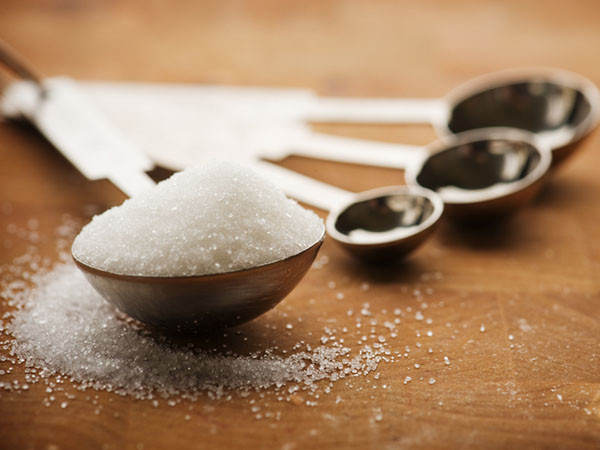
Sugar: How sweet it is... or is it?
As more Americans are considered obese, including children, a study examined what effect a voluntary reduction in the sugar content of foods would have on rates of obesity, diabetes, heart disease, and health care costs. But in the absence of such a change, there are ways you can reduce your sugar intake without having to give up sweet treats entirely.

Cardiovascular safety from prostate cancer drugs remains uncertain
Worldwide, over one million men are diagnosed with prostate cancer every year, and half will be given androgen deprivation therapy at some point. Whether certain types of this therapy are safer for the heart than others is an important question that is being studied, but the results from the first such trial were inconclusive and disappointing.

Supplements: A scorecard
A detailed look at supplements and their medical use.
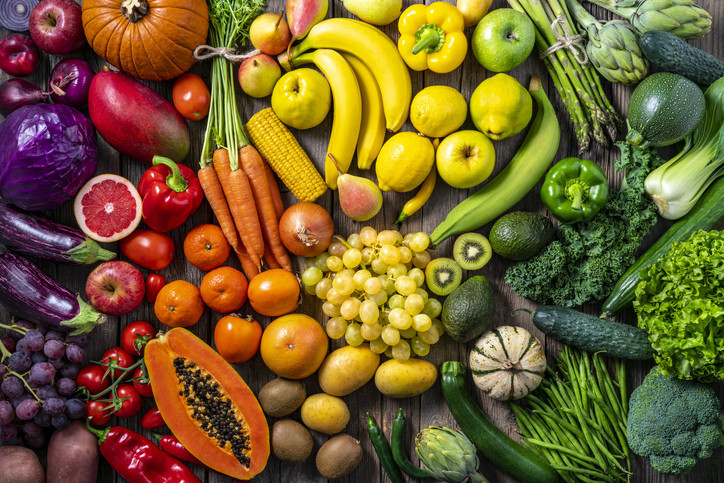
Can flavonoids help fend off forgetfulness?
Eating a broad variety of fruits and vegetables is a good way to get a sufficient intake of flavonoids, chemicals that contribute to many aspects of health. Now, a study suggests that flavonoid-rich foods may also play a role in protecting memory and thinking as people get older.
Fatty liver disease: Should you be tested?
Even a little exercise linked with lower stroke risk in people with afib
Testosterone therapy without evidence of deficiency may boost heart risk
Weight-loss drug may lower risk of heart attacks and infections
Migraine: How it's diagnosed and what that means
Tricep workouts you can do at home
Mindfulness practices to reduce stress and improve focus
Antihistamines may not offer meaningful relief from eczema symptoms
Overweight and taking blood pressure medications: Study finds it's a trend that's working
FDA approves first mRNA-based flu vaccine
Free Healthbeat Signup
Get the latest in health news delivered to your inbox!
Sign Up
