CoQ10: Should you take this popular supplement if you're on a statin?

Microplastics: A hidden health threat?

Oat vs. dairy milk: Nutrition, benefits, and downsides

What is tempeh? Benefits, nutrition, and how to use it

Healing after food poisoning

Children of centenarians may stay healthier and live longer too, study finds

Light exposure at night may raise risk for heart disease

A lumbar belt may help ease low back pain

Whole grains may improve several heart risk factors at once

Signs of pneumonia: Sometimes vague and unexpected
Type 1 diabetes Archive
Articles

Two clot-prevention drugs for people with heart disease and diabetes?
Research we're watching
People with clogged arteries in their hearts (coronary artery disease) or legs (peripheral artery disease) face a high risk of having a heart attack or stroke, particularly if they also have diabetes. For such people, a combination of clot-preventing drugs lowers the risk of those dangerous outcomes, according to a study published online March 28 by the journal Circulation.
The study included just over 18,300 people with coronary or peripheral artery disease; about 38% also had diabetes. They all took low-dose aspirin daily, but half also took 2.5 milligrams of rivaroxaban (Xarelto) twice daily while the others took a placebo. Like aspirin, rivaroxaban helps discourage blood clots, but through a different mechanism.
Crank up your fiber intake to manage blood sugar and diabetes
News briefs
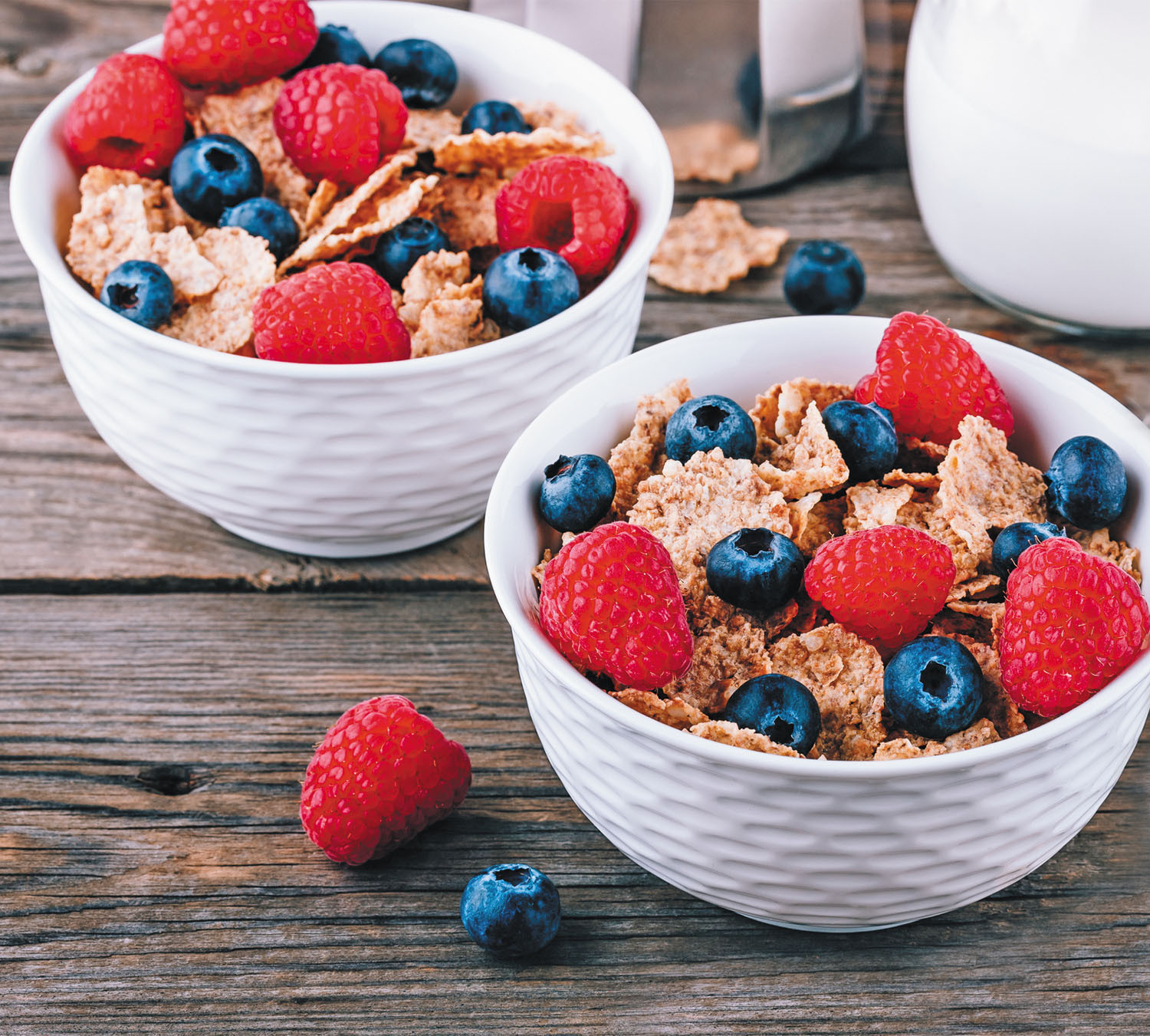
Struggling with high blood sugar or diabetes? A study published online March 6, 2020, by PLOS Medicine suggests that increasing your daily fiber intake may help. British researchers combed through dozens of studies with about 10,000 participants who had prediabetes, gestational diabetes, type 1 diabetes, or type 2 diabetes. Compared with people who ate low-fiber diets (19 grams of fiber per day), people who ate another 16 grams of fiber per day (a total of 35 grams per day) weighed less and had lower levels of blood sugar, cholesterol, and inflammation. There were also 14 fewer deaths per 1,000 people among those who ate high-fiber diets. If you'd like to increase your fiber intake, try to eat more fiber-rich foods at each meal. Good sources include whole-grain cereals, legumes, and nuts. For example, a cup of bran cereal has up to 47 grams of fiber, depending on the brand; half a cup of white beans has about 10 grams of fiber; and an ounce of almonds has about 13 grams of fiber. Increase fiber intake slowly, to give your digestive tract time to adjust, and remember to increase your water intake as well.
Image: © wmaster890/Getty Images

Breastfeeding may protect high-risk women from diabetes later in life
Research we're watching
If a woman has gestational diabetes during her pregnancy, she has a higher risk of developing diabetes later. But a study published February 10 in Diabetes Care found that breastfeeding may help reduce that risk.
The study, which used data from the Nurses' Health Study II, found that the longer a woman nursed her infant, the lower her risk of developing diabetes later in life. The study included more than 4,000 women who had gestational diabetes. Of those women, more than 800 developed diabetes within the next 25 years. Those who breastfed for six to 12 months were 9% less likely to develop diabetes, compared with women who didn't breastfeed at all. Women who breastfed for one to two years had a 15% lower risk of developing diabetes, compared with women who didn't breastfeed. And diabetes risk was 27% lower in women who breastfed for more than two years. This provides another reason that doctors may want to encourage women with gestational diabetes to breastfeed whenever possible.
No spleen? What you need to know to stay healthy
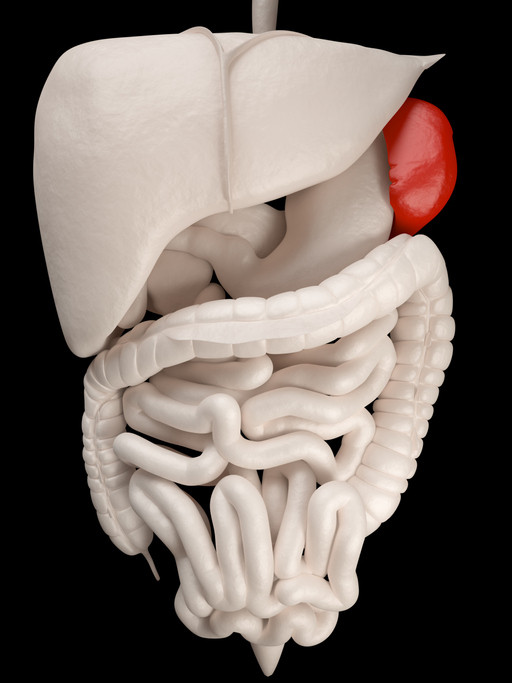
You don’t need your spleen to live a normal, healthy life, but the spleen does play an important role in defending the body against infection, so those without it need to take certain precautions to ensure they remain healthy.

U=U: Ending stigma and empowering people living with HIV
People living with HIV can suppress the virus by taking medication daily. If the level of virus in a person’s blood is suppressed successfully, research shows that the virus isn’t passed on to others. U=U means “undetectable equals untransmittable.”

As the pandemic drags on, when can we get back to work?
As the coronavirus pandemic stretches on, many people wonder when they can go back to their workplaces. The answers may depend on where a person lives and works, findings from antibody tests, and other factors.

A tale of two epidemics: When COVID-19 and opioid addiction collide
In our inner cities, the COVID-19 pandemic comes on top of another crisis that has plagued our country for years: the opioid epidemic. The combined effects of these two events are immense, and highlight already-existing problems with our society and our health care system.

What you need to know about COVID-19 if you have diabetes
Some data suggest that people with diabetes who get COVID-19 are more likely to have serious complications or to die. If you have diabetes, you need to take steps to reduce your risk of getting sick.

Weight-loss surgery may lower risk of heart disease in people with diabetes
Most people with type 2 diabetes also have obesity. Weight-loss surgery has a positive impact on risk factors for heart disease, and a recent study found that this surgery significantly reduced the risk of death in people with obesity and diabetes.

Intimacy, sex, and COVID-19
Since most of us have been at home for several weeks, it’s natural to be thinking about intimacy with our partners. But is it safe to have sex during this time? What factors might make it unsafe?
CoQ10: Should you take this popular supplement if you're on a statin?
Microplastics: A hidden health threat?
Oat vs. dairy milk: Nutrition, benefits, and downsides
What is tempeh? Benefits, nutrition, and how to use it
Healing after food poisoning
Children of centenarians may stay healthier and live longer too, study finds
Light exposure at night may raise risk for heart disease
A lumbar belt may help ease low back pain
Whole grains may improve several heart risk factors at once
Signs of pneumonia: Sometimes vague and unexpected
Free Healthbeat Signup
Get the latest in health news delivered to your inbox!
Sign Up