

Light exposure at night may raise risk for heart disease

Whole grains may improve several heart risk factors at once

A lumbar belt may help ease low back pain

Children of centenarians may stay healthier and live longer too, study finds

Signs of pneumonia: Sometimes vague and unexpected

The surprising link between ovarian cancer and the fallopian tubes

Using a vibration plate: What it can — and can't — do for your body

People who walk more or walk faster live longer, study finds

For sleep apnea, a dental device may be as effective as CPAP

Rosacea treatments: What works?
Stroke Archive
Articles

Take control of rising cholesterol at menopause
Here's what the numbers mean — and strategies to lower your cholesterol if it's too high.
For some women who've had normal cholesterol readings all their lives, that changes at menopause. "Going through menopause often results in lipid and cholesterol changes for the worse," says Dr. Samia Mora, an associate professor of medicine at Harvard Medical School and a specialist in cardiovascular medicine the Brigham and Women's Hospital. Drops in the female hormone, estrogen, are associated with a rise in total cholesterol levels due to higher amounts of low-density lipoprotein (LDL), the "bad" cholesterol, and another blood lipid (fat) known as triglyceride. Over time this can raise heart risks, which is a reason for concern, as cardiovascular disease is the No. 1 cause of death in postmenopausal women, says Dr. Mora.
"So, it's especially important to track the numbers in perimenopause and the early years after menopause, as LDL cholesterol and total cholesterol tend to increase," she says.
Should I be concerned about my fainting spell?
Ask the doctors
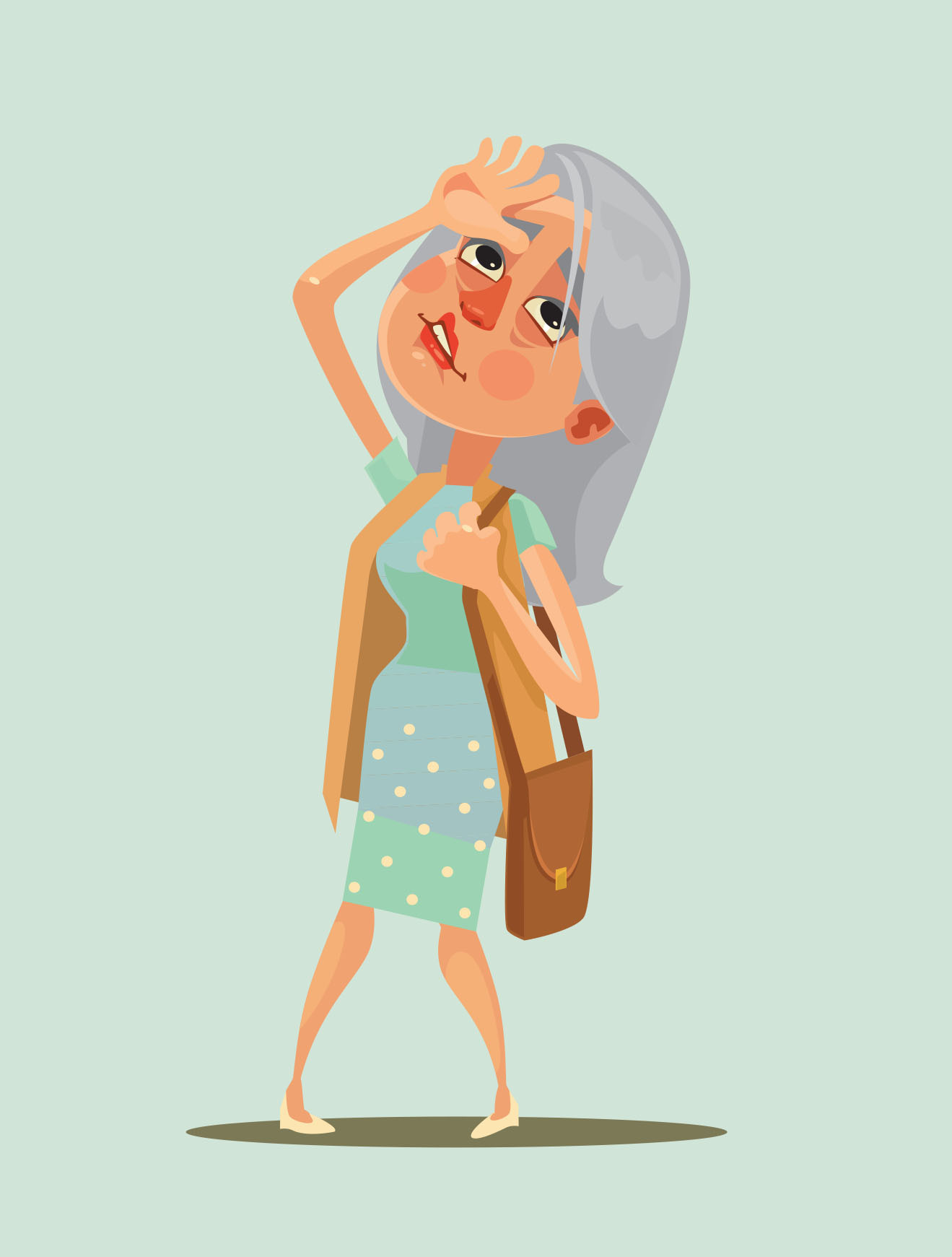
Q. I had a fainting spell the other day. Should I be concerned? What should I do?
A. Fainting, which your doctor may refer to using the medical term syncope, is not uncommon. Experts say as many as one in three adults experiences at least one fainting spell over time. In most cases, it's not related to a serious medical condition, but if you faint, you should always get an evaluation by a doctor to rule out more serious causes, including heart-related problems.

Strategies to support teens and young adults with autism spectrum disorder during COVID-19
The conditions imposed by the COVID-19 pandemic are challenging for all of us, but are especially difficult for teenagers with autism spectrum disorder and their families. Strategies to support teens and families living with ASD can help lessen the impact of the virus.

5 ways to dodge incontinence
Most people take bladder control for granted — until the unintended loss of urine interrupts the ability to carry on an ordinary social and work life.
Often, the causes of incontinence are out of a person's control. For example, in women, incontinence is a common side effect of childbirth. For men, it's often a side effect of treatment for prostate problems.

What you need to know about COVID-19 if you have diabetes
Some data suggest that people with diabetes who get COVID-19 are more likely to have serious complications or to die. If you have diabetes, you need to take steps to reduce your risk of getting sick.

Rethinking low-dose aspirin
New studies shed light on the role of aspirin for people without a previous heart attack or stroke.
Image: © dszc/Getty Images
It costs just pennies per pill, doesn't require a prescription, and may be lifesaving for some people. But daily low-dose aspirin doesn't make sense for everyone. Now, three major studies that examined the benefits and risks of this widely used drug may alter the advice about who should take aspirin.
"Aspirin remains a cornerstone of treatment after a heart attack or stroke. But the question of whether people with a low to moderate risk of heart disease should take aspirin is a really important one," says Dr. Christopher Cannon, a cardiologist at Brigham and Women's Hospital and professor of medicine at Harvard Medical School. Tens of millions of people in the United States fall into that low-to-moderate-risk category. But until now, there weren't many large trials that included those people, he notes.


Are varicose veins a health risk?
Ask the doctors
Q. I have a lot of varicose veins. Do they present any sort of a health risk?
A. Varicose veins are typically viewed as a mild, non-life-threatening condition that is more of a cosmetic annoyance than a serious health problem. That said, varicose veins can be associated with some health-related issues, such as swelling in the legs, blood clots, or damage to the skin caused by pressure from the veins. They may also make you more prone to skin damage, infections, and ulcers.
Allergic rhinitis: Your nose knows
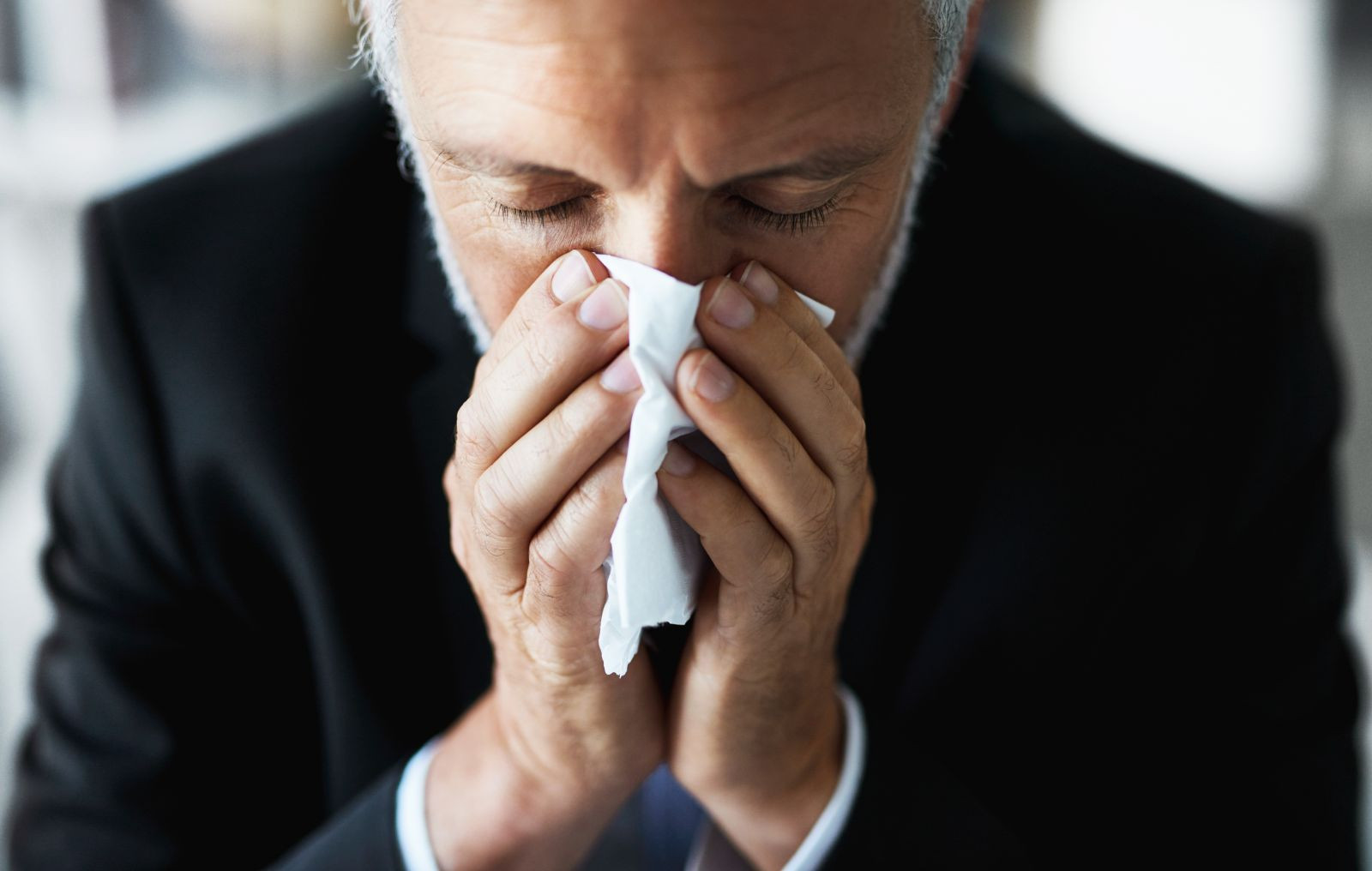
Allergic rhinitis, commonly called hay fever, can be a minor seasonal nuisance or a troubling year-round problem. Most people can find relief by taking an antihistamine and by avoiding the allergens that trigger the irritation.
Diagnosing and treating interstitial cystitis
Also called painful bladder syndrome, this frustrating disorder disproportionately affects women.
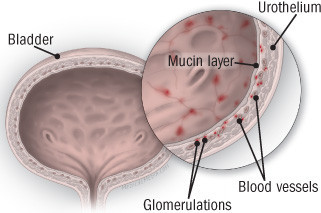
Interstitial cystitis is a chronic bladder condition that causes recurring bouts of pain and pressure in the bladder and pelvic area, often accompanied by an urgent and frequent need to urinate — sometimes as often as 40, 50, or 60 times a day, around the clock. Discomfort associated with interstitial cystitis can be so excruciating that, according to surveys, only about half of people with the disorder work full-time. Because symptoms are so variable, experts today describe interstitial cystitis as a member of a group of disorders collectively referred to as interstitial cystitis/painful bladder syndrome. (In this article, we'll call it interstitial cystitis, or IC.)
Among the one to two million Americans with IC, women outnumber men by as much as eight to one, and most are diagnosed in their early 40s. Several other disorders are associated with IC, including allergies, migraine, irritable bowel syndrome, fibromyalgia (a condition causing muscle pain), chronic fatigue syndrome, and vulvodynia (pain or burning in the vulvar area that isn't caused by infection or skin disease).
Light exposure at night may raise risk for heart disease
Whole grains may improve several heart risk factors at once
A lumbar belt may help ease low back pain
Children of centenarians may stay healthier and live longer too, study finds
Signs of pneumonia: Sometimes vague and unexpected
The surprising link between ovarian cancer and the fallopian tubes
Using a vibration plate: What it can — and can't — do for your body
People who walk more or walk faster live longer, study finds
For sleep apnea, a dental device may be as effective as CPAP
Rosacea treatments: What works?
Free Healthbeat Signup
Get the latest in health news delivered to your inbox!
Sign Up
