
Sacroiliac joint pain: Causes, symptoms, and exercises that help

What causes knee pain: How doctors make a diagnosis

Study: At-home colorectal cancer screening may significantly cut colon cancer deaths

Where you carry excess weight matters in predicting heart disease risk

Tai chi walking: What is it and does it work?

Fatty liver disease: Should you be tested?

Weight-loss drug may lower risk of heart attacks and infections

Testosterone therapy without evidence of deficiency may boost heart risk

Even a little exercise linked with lower stroke risk in people with afib

FDA approves first mRNA-based flu vaccine
Social engagement and relationships Archive
Articles

When someone you love won’t create an advance directive
What if someone you love doesn't have an advance directive? That's common, although the underlying reasons may differ. Basic barriers include thinking that an advance directive isn't needed, not wanting to think about death or serious illness, not wanting to burden people, not knowing enough about advance directives and health care choices, needing help to fill out the forms, and lack of time with the doctor to discuss the matter. A person's ethnic or cultural background can also be a barrier: minorities tend to be more suspicious of health care providers and resistant to talking about or completing advance directives. According to AARP, African Americans in home health care and nursing homes are half as likely as whites to have advance directives.
To deal with this situation, try asking your loved one two simple questions, even if you think you know the answers.



Dive in for joint health
Swimming can keep your joints flexible, reduce stiffness, and increase mobility.
When you were a kid, swimming was no doubt a favorite summertime activity. Now, it may be one of the best ways to keep your older joints healthy.
"As a low-impact activity, swimming places minimal stress on the joints," says Sarah Ellison, an aquatic physical therapist with Harvard-affiliated Spaulding Rehabilitation Network. "The buoyancy of the water allows you to move limbs and joints more easily through their normal range of motion. This helps joints remain supple and improves overall flexibility."

A 20-minute nature break relieves stress
In the journals
Spending just 20 minutes connecting with nature can help lower stress hormone levels, according to a study in the April 4, 2019, Frontiers in Psychology. Previous research has shown that interacting with nature reduces stress, but it is not clear how long and how often the engagement needs to be, or even what kind of nature experience is best.
Here, researchers asked 36 people to spend 10 minutes or longer, three days a week for eight weeks, in an outdoor place where they could interact with nature. The settings varied from yards to public parks to green areas near their place of work. They also either walked or sat during their nature time.

Nutrients from food, not supplements, help you live longer
In the journals
An adequate intake of certain nutrients from food, but not supplements, is linked with a lower rate of death, according to a study in the April 9, 2019, Annals of Internal Medicine.
Researchers looked at the relationship between food and supplements and death from all causes among more than 30,000 adults. The results shows that adequate intakes of vitamin K, vitamin A, magnesium, zinc, and copper were associated with a lower risk of death from cardiovascular disease—but only if they came from food and not supplements.

An underused option for severe depression
A new study supports the use of noninvasive brain stimulation in people with severe depression who haven't responded to medication.
If medication isn't helping to ease severe depression, nonsurgical brain stimulation may be an effective alternative to consider, according to a study published online March 27 by The BMJ. Specifically, the study found that evidence seems to back the use of repetitive transcranial magnetic stimulation (rTMS) and electroconvulsive therapy (ECT) over other, newer brain stimulation therapies.
"Many psychiatrists are unaware of these techniques, or at least don't think to recommend them for their patients," says Dr. Daniel Press, associate professor of neurology at Harvard Medical School and the clinical director for the Berenson-Allen Center for Noninvasive Brain Stimulation at Beth Israel Deaconess Medical Center. "So, studies like this are helpful in raising the banner and reminding people that these are very effective options for a large percentage of people."

Bedtime screen time may reduce sleep quality
Research we're watching
Is your smartphone reducing your sleep quality? The National Sleep Foundation's most recent Sleep Health Index found that people who used technology such as phones, tablets, or computers in bed before they went to sleep scored lower on measures of sleep quality than those who didn't. Nearly 50% of American adults polled said they used technology in bed at least once a week, and nearly 30% said they did so every day. Some 21% of adults even said if they woke up during the night they would check their devices before going back to sleep. The National Sleep Foundation says to ensure the best sleep quality, it's best to leave digital distractions for the daytime hours and keep them out of bed.
Image: © Sisoje/Getty Images

Red and processed meats raise colorectal cancer risk
Research we're watching
If your diet is heavy on red and processed meat, it might be time to make some adjustments. A study of nearly 500,000 people published in the April 17 International Journal of Epidemiology found that people who ate red or processed meat four or more times a week had a 20% higher risk of colorectal cancer than those who indulged less than twice a week. Risk of colorectal cancer rose 19% for every daily 25-gram serving of processed meat, which is equivalent to a slice of ham. And for every 50-gram-a-day serving of red meat — equal to a thick piece of roast beef — risk of colorectal cancer rose by 18%. Alcohol was also linked to a higher risk of colon cancer: just a half pint of beer per day increased colon cancer risk by 8%.
But the study wasn't all bad news. A number of foods were associated with a lower risk of colon cancer, including high-fiber selections such as bread and breakfast cereals. But higher fiber intake from vegetables and fruits did not appear to reduce risk.
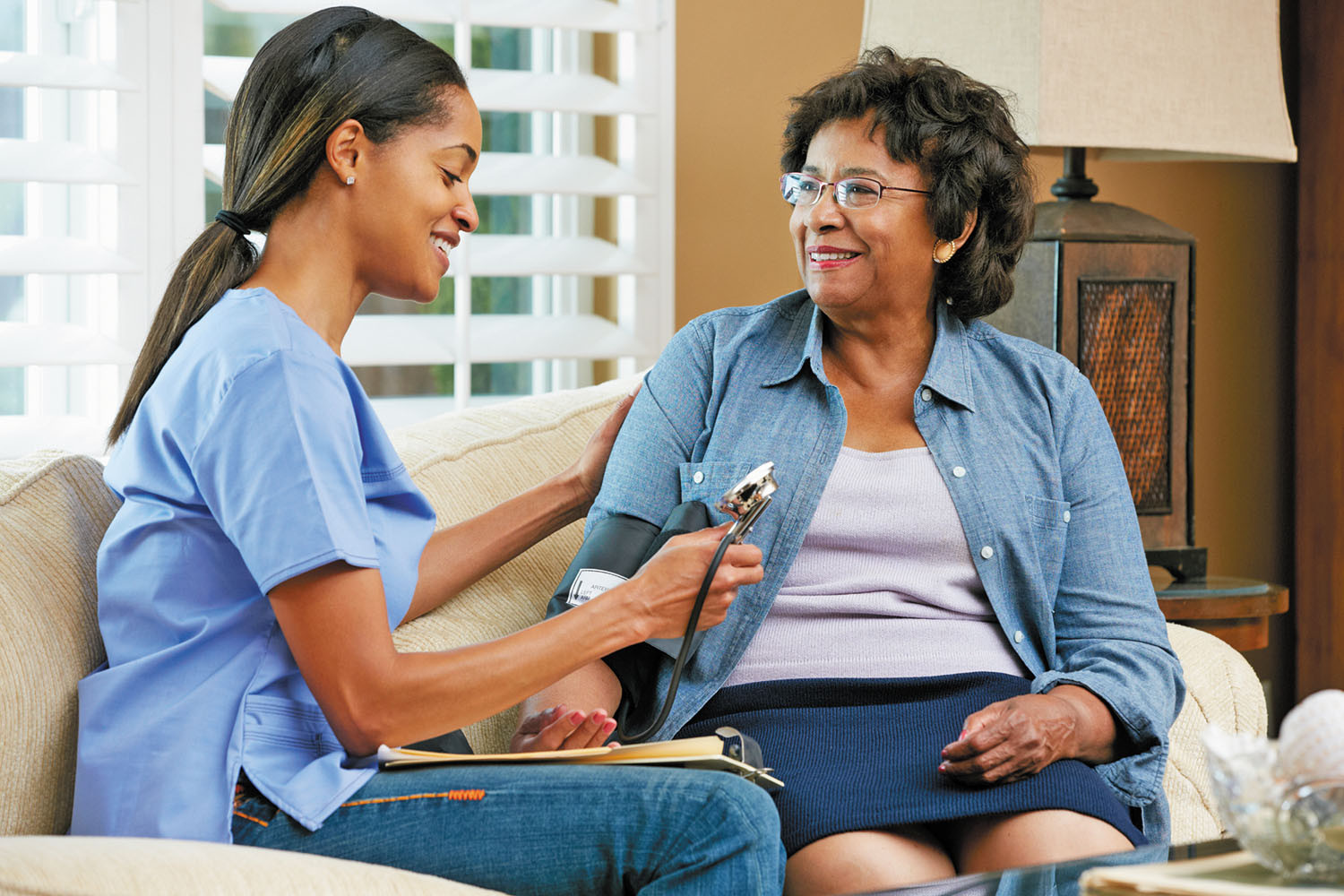
The doctor will see you now, in your home
The old-fashioned house call is back in a big way. Here's how it works.
It's hard to get to the doctor when you don't drive anymore or you're struggling with several chronic medical conditions. The result may be missed appointments and a lack of needed care.
But a growing trend makes it far easier for older adults to get medical attention, bringing routine exams and diagnostic tests to the patient's doorstep. It's called home-based medical care — when doctors, nurse practitioners, physician assistants, or other providers visit and treat older adults right in their homes.
Sacroiliac joint pain: Causes, symptoms, and exercises that help
What causes knee pain: How doctors make a diagnosis
Study: At-home colorectal cancer screening may significantly cut colon cancer deaths
Where you carry excess weight matters in predicting heart disease risk
Tai chi walking: What is it and does it work?
Fatty liver disease: Should you be tested?
Weight-loss drug may lower risk of heart attacks and infections
Testosterone therapy without evidence of deficiency may boost heart risk
Even a little exercise linked with lower stroke risk in people with afib
FDA approves first mRNA-based flu vaccine
Free Healthbeat Signup
Get the latest in health news delivered to your inbox!
Sign Up
