
Sacroiliac joint pain: Causes, symptoms, and exercises that help

What causes knee pain: How doctors make a diagnosis
Study: At-home colorectal cancer screening may significantly cut colon cancer deaths
Where you carry excess weight matters in predicting heart disease risk

Tai chi walking: What is it and does it work?
Fatty liver disease: Should you be tested?

Weight-loss drug may lower risk of heart attacks and infections

Testosterone therapy without evidence of deficiency may boost heart risk

Even a little exercise linked with lower stroke risk in people with afib

FDA approves first mRNA-based flu vaccine
Social engagement and relationships Archive
Articles
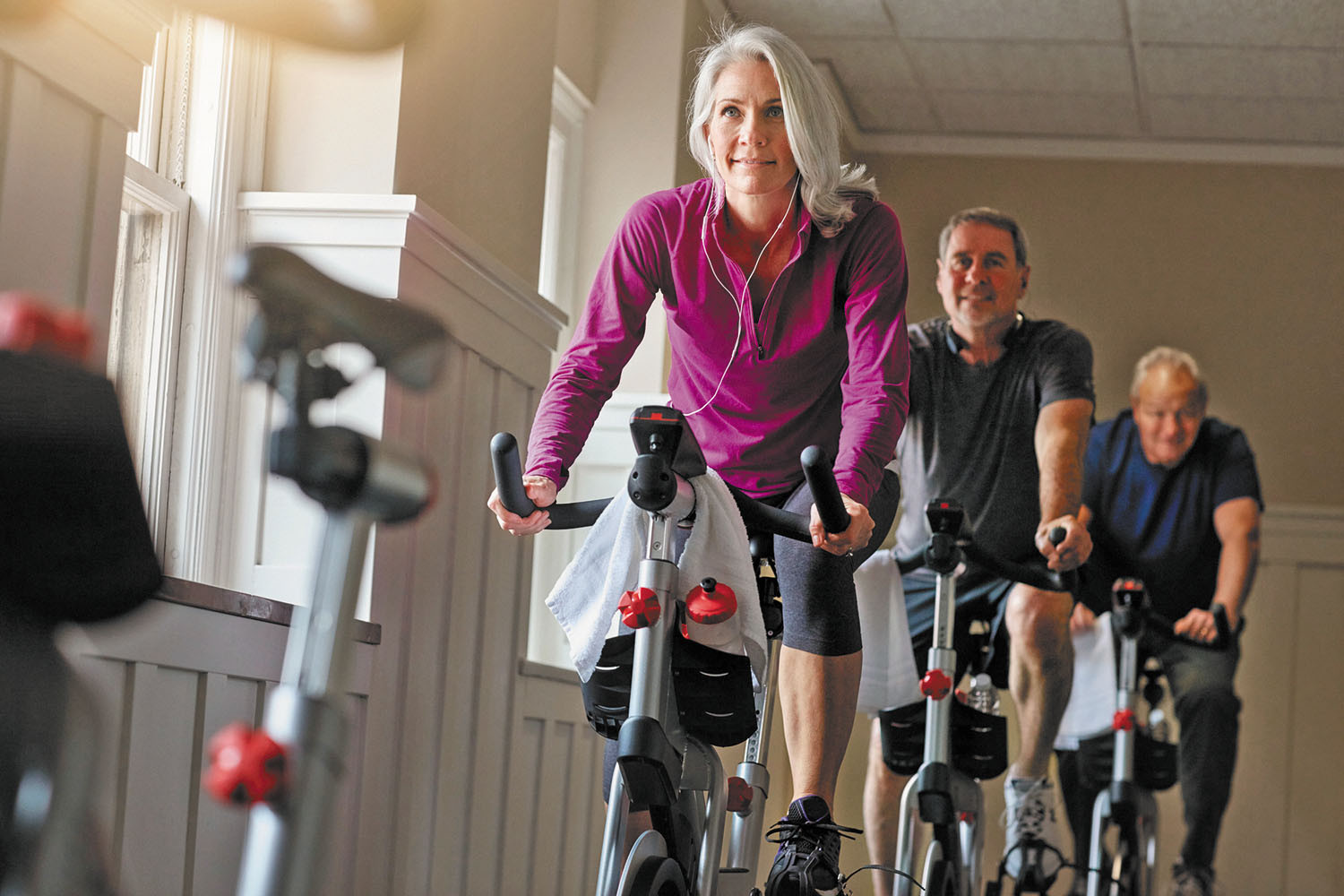
Staving off dementia when you have mild cognitive impairment
The shift from this condition to dementia is not necessarily inevitable.
Image: © gradyreese/Getty Images
Will I get dementia? That common question takes on urgency if you have mild cognitive impairment (MCI), a slight but noticeable change in memory and thinking skills. But the progression from MCI to dementia is not automatic. In fact, MCI is not always permanent. "It depends on the underlying cause," says Dr. Joel Salinas, a neurologist at Harvard-affiliated Massachusetts General Hospital.
What are the causes of MCI?
MCI is not dementia (see "What is dementia?"), but it's not normal thinking, either. It often stems from disease or treatments for disease, including

Tuning in: How music may affect your heart
Listening to music may boost exercise ability, ease stress and anxiety, and enhance recovery from strokes.
Image: © shironosov/Getty Images
Whether you prefer Stravinsky's symphonies or the Beatles' ballads, you probably listen mostly because you simply like how they sound. You might not realize that music engages not only your auditory system but many other parts of your brain as well, including areas responsible for movement, language, attention, memory, and emotion.
"There is no other stimulus on earth that simultaneously engages our brains as widely as music does," says Brian Harris, certified neurologic music therapist at Harvard-affiliated Spaulding Rehabilitation Hospital. This global activation happens whether you listen to music, play an instrument, or sing — even informally in the car or the shower, he says. And it helps to explain how and why music therapy works (see "Singing — and striding — stroke survivors").

Sour mood getting you down? Get back to nature
Research suggests that mood disorders can be lifted by spending more time outdoors.
Image: © Sidekick/Getty Images
Looking for a simple way to help reduce stress, anxiety, and depression, and maybe even improve your memory? Take a walk in the woods.
"Many men are at higher risk for mood disorders as they age, from dealing with sudden life changes like health issues, the loss of loved ones, and even the new world of retirement," says Dr. Jason Strauss, director of geriatric psychiatry at Harvard-affiliated Cambridge Health Alliance. "They may not want to turn to medication or therapy for help, and for many, interacting with nature is one of the best self-improvement tools they can use."

Small tricks to help you shed pounds and keep them off
Weight loss can be challenging, but there are some strategies for success.
Image: © Wand_Prapan/Getty Images
If you're struggling to lose weight, you probably feel like the odds are stacked against you. You're not necessarily wrong.
"There is so much great-tasting food, and it's abundant and in your face all the time. To me it's kind of a miracle that people aren't even heavier than they are," says Dr. Meir Stampfer, a professor of epidemiology and nutrition at the Harvard T.H. Chan School of Public Health. In addition to an abundance of food, most people today also have a far more sedentary lifestyle than past generations. "Even active people who exercise a lot aren't expending the calories their ancestors did," says Dr. Stampfer.

How long should I wait after the flu before resuming exercise?
On call
Q. I have just recovered from the flu. How soon can I resume exercise again and can I go straight back to my previous routine?
A. The recommendations about when to return to exercise after respiratory infections, such as the flu, colds, or bronchitis, are vague. One major reason is that each person's response to illness is so variable. But here is my general advice.

Grapefruit and medication: A cautionary note
Grapefruit can mean danger when combined with some popular drugs used for high blood pressure, high cholesterol and depression
Grapefruit and grapefruit juice are healthful, providing enough vitamin C, potassium, dietary fiber, and other nutrients to earn the American Heart Association's "heart-check" mark. That's the good news. The bad news is that grapefruit juice can interact with dozens of medications, sometimes dangerously.
Doctors are not sure which of the hundreds of chemicals in grapefruit are responsible. The leading candidate is furanocoumarin. It is also found in Seville (sour) oranges and tangelos; although these fruits have not been studied in detail, the guidelines for grapefruit should apply to them as well.

Numb from the news? Understanding why and what to do may help
The daily onslaught of news during the past year has left many people in a steady state of fatigue, resignation, and grief. The symptoms of collective trauma are widespread and familiar, but one merits special attention: numbness, which is one possible response to an overwhelming situation.

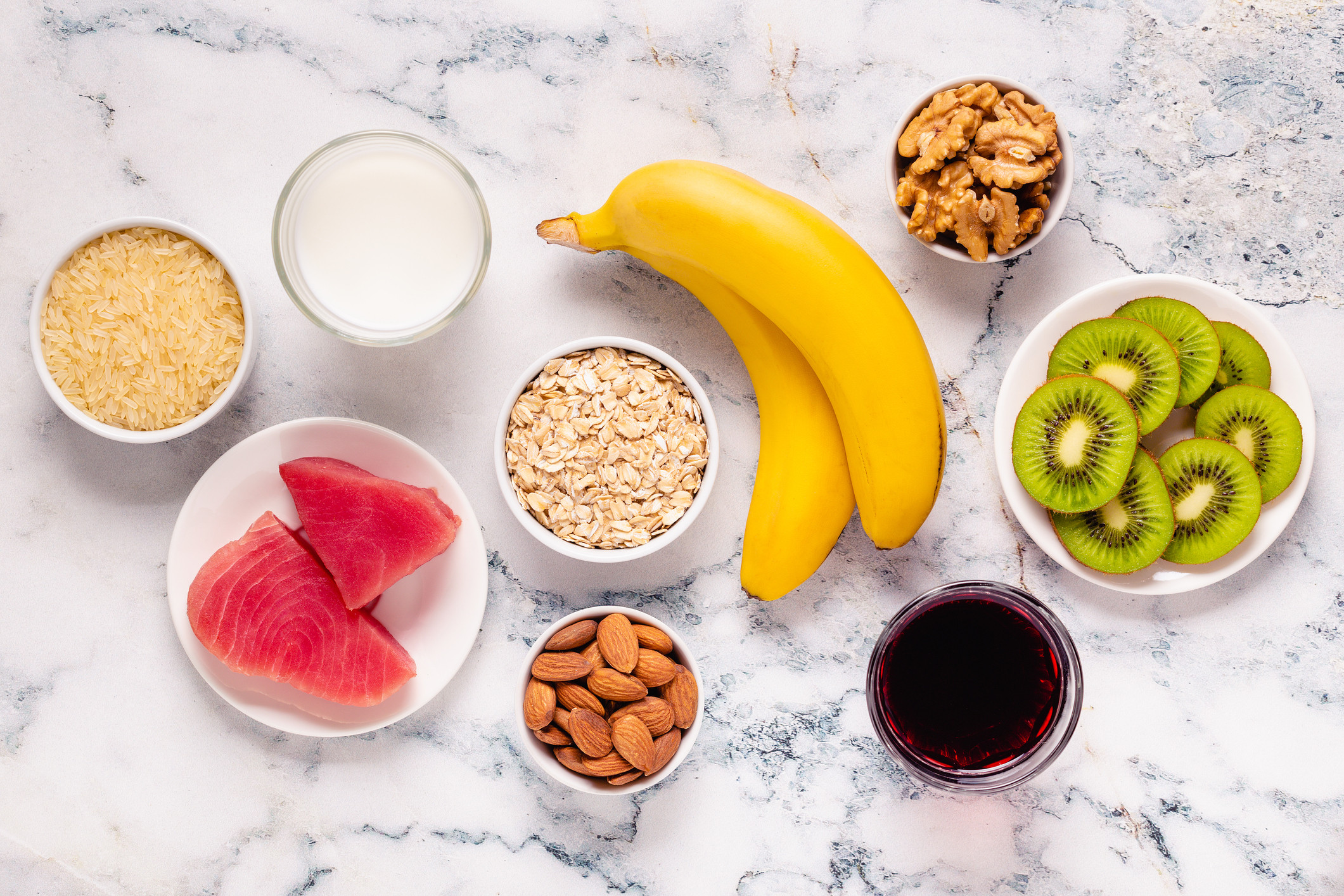
Could what we eat improve our sleep?
Diet, exercise, and sleep work together, and all three can have an effect on our daily well-being and longevity. Sleep impacts our eating patterns, and our eating patterns affect our sleep: lack of quality sleep may make people eat more, and make less healthy food choices, but certain foods contain substances that may enhance sleep.

Is crying good for you?
Crying is a natural response to a range of emotions, but is it good for your health? Crying is an important safety valve: it acts as a safety valve for our emotions, and emotional tears flush stress hormones and other toxins out of our systems.
Sacroiliac joint pain: Causes, symptoms, and exercises that help
What causes knee pain: How doctors make a diagnosis
Study: At-home colorectal cancer screening may significantly cut colon cancer deaths
Where you carry excess weight matters in predicting heart disease risk
Tai chi walking: What is it and does it work?
Fatty liver disease: Should you be tested?
Weight-loss drug may lower risk of heart attacks and infections
Testosterone therapy without evidence of deficiency may boost heart risk
Even a little exercise linked with lower stroke risk in people with afib
FDA approves first mRNA-based flu vaccine
Free Healthbeat Signup
Get the latest in health news delivered to your inbox!
Sign Up
