
Sacroiliac joint pain: Causes, symptoms, and exercises that help

What causes knee pain: How doctors make a diagnosis

Study: At-home colorectal cancer screening may significantly cut colon cancer deaths
Where you carry excess weight matters in predicting heart disease risk

Tai chi walking: What is it and does it work?

Fatty liver disease: Should you be tested?

Weight-loss drug may lower risk of heart attacks and infections

Testosterone therapy without evidence of deficiency may boost heart risk

Even a little exercise linked with lower stroke risk in people with afib

FDA approves first mRNA-based flu vaccine
Social engagement and relationships Archive
Articles

Want to live longer and better? Do strength training
Regular physical activity promotes general good health, reduces the risk of developing many diseases, and helps you live a longer and healthier life. For many of us, "exercise" means walking, jogging, treadmill work, or other activities that get the heart pumping.
But often overlooked is the value of strength-building exercises. Once you reach your 50s and beyond, strength (or resistance) training is critical to preserving the ability to perform the most ordinary activities of daily living — and to maintaining an active and independent lifestyle.

Why stress causes people to overeat
Stress eating can ruin your weight loss goals – the key is to find ways to relieve stress without overeating
There is much truth behind the phrase "stress eating." Stress, the hormones it unleashes, and the effects of high-fat, sugary "comfort foods" push people toward overeating. Researchers have linked weight gain to stress, and according to an American Psychological Association survey, about one-fourth of Americans rate their stress level as 8 or more on a 10-point scale.
In the short term, stress can shut down appetite. The nervous system sends messages to the adrenal glands atop the kidneys to pump out the hormone epinephrine (also known as adrenaline). Epinephrine helps trigger the body's fight-or-flight response, a revved-up physiological state that temporarily puts eating on hold.

Easy ways you can improve indoor air quality
Reduce indoor allergens that can trigger respiratory problems and other issues.
Image: © Voyagerix/Getty Images
It may feel cozy being sealed in tight against the cold in your home during the chillier months of the year, but for people who are sensitive to indoor allergens or have respiratory problems, winter can exacerbate problems. Stale indoor air and heating systems can increase the amount of allergy-inducing dust mites, pet dander, and mold spores circulating through your house. In late winter and early spring, it may still be too chilly to throw open the windows to pull out the musty air, so while you await the warmer weather it's important to be aware of some of the allergy and respiratory triggers that may be lurking in your surroundings.
"Most of the things that cause problems are odorless," says Dr. Nicholas BuSaba, associate professor of otolaryngology at Harvard Medical School. "So, in many cases there's nothing to alert you to the problem." That is, there's nothing other than the symptoms these allergens can trigger — such as respiratory problems (including asthma flare-ups), fatigue and sleepiness, or even digestive issues.

How to overcome grief’s health-damaging effects
The deaths of friends and family members become more common as you age. Here is how to endure the grieving process.
Image: © kali9/Getty Images
Most men don't face much personal loss early in their lives. Yet, once they reach a certain age, they will encounter the experience of losing someone important to them — a spouse, a friend, a relative — and the feelings of grief that often follow.
"Grief is a natural response to loss, but it is something that men are not prepared for, and they often struggle to understand how it can affect their lives," says Dr. Eric Bui, associate director for research at the Center for Anxiety and Traumatic Stress Disorders and Complicated Grief Program at Harvard-affiliated Massachusetts General Hospital.
Wearable weights: How they can help or hurt
They're great as a substitute for a dumbbell, but a risky choice for some exercises.
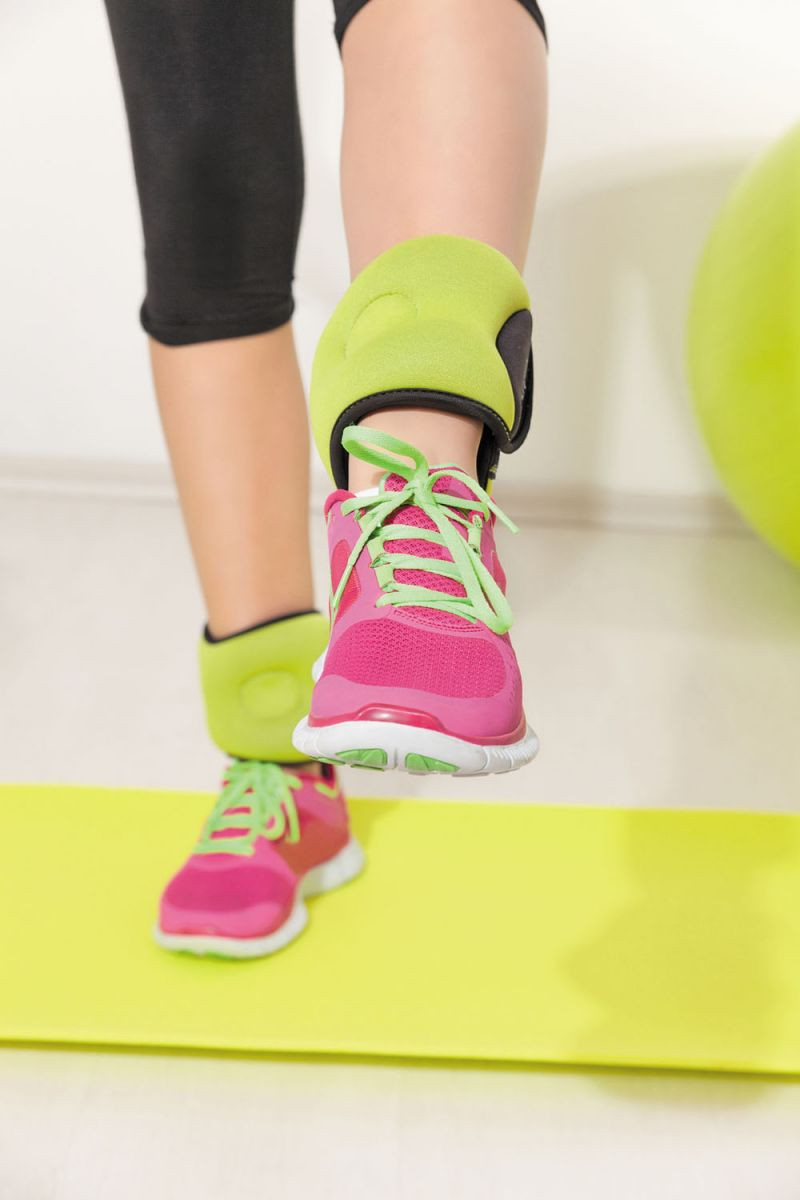
When you want to add strength training to your routine, wearable weights seem like a handy shortcut. Just slip them on and do your regular workout. But it's not that simple. "They're great for specific exercises, but they have some risks," says Terry Downey, a physical therapist at Harvard-affiliated Spaulding Rehabilitation Network.
Ankle weights
You may see people walking around with weights around their ankles. The weights are typically built into a wide neoprene strap that wraps around the ankle and attaches with Velcro.

Is poison ivy contagious?
Ask the doctors
Q. I'm very allergic to poison ivy. My spouse currently has a bad poison ivy rash that he got while trimming some bushes in our yard. I'm afraid I'm going to get a rash from him. Is it contagious?
A. Good news: poison ivy rashes are not contagious. You will get a rash from poison ivy only if you come into contact with urushiol oil, which is the plant oil in poison ivy that triggers the rash. In addition, a poison ivy rash, even one with open blisters, won't spread to other areas of the body. The rash only occurs on parts of the body that were actually exposed to the plant oil. Poison ivy rashes can appear to spread if urushiol oil is trapped under your fingernails and you scratch an itch. While you can't get a rash from coming from your spouse, you can get it from clothing or other items that have the plant oil on them. For example, the clothes your spouse was wearing that came into contact with the poison ivy plant. Poison ivy oil can cling to garden tools or even pet fur. The oil from poison ivy is known to linger. According to the FDA, it can stick around on surfaces, sometimes for years, until it is washed away using water or rubbing alcohol. So be certain that all surfaces that are potentially contaminated are cleaned thoroughly to reduce your risk.

Precious metals and other important minerals for health
Make sure your diet meets the recommended mineral targets.
Image: © fstop123/Getty Images
Gold, silver, and platinum get all the attention as the world's most precious metals. But they're more precious for the global economy than for human health. Instead, other metals and minerals (metals are one type of mineral) are more important for our health (see "What essential metals do for us"). Indeed, some of them are so important that we can't live without them. "Each one plays a role in hundreds of body functions. It may take just a very small quantity of a particular mineral, but having too much or too little can upset a delicate balance in the body," says Dr. Bruce Bistrian, chief of clinical nutrition at Beth Israel Deaconess Medical Center.
What essential metals do for usMany metals are used to make strong and durable everyday objects, like copper pipes or iron skillets. But they don't form such strong and durable objects in our bodies. Instead, many essential metals are needed to activate enzymes — molecules with important jobs in the body. And metals have many other essential roles as well. For example:
|

The pros and cons of root vegetables
They're packed with nutrients but high in starchy carbohydrates.
Image: © rudisill/Getty Images
Root vegetables — like turnips, rutabagas, and parsnips — may not be the sexiest foods on the table. But they're big celebrities in a number of cuisine trends like the "vegetable forward" movement (which elevates vegetables into creative entrees and side dishes) and root-to-stem cooking (which uses every part of a vegetable, including the tops, stems, and skins).
While it's fun to use old standbys in more interesting ways (like roasted parsnips with pistachio and lemon), it's important to eat root vegetables judiciously. "They are so high in carbohydrates that they are more like grains than greens. It makes more sense to put them in the same category as breads, rice, or pasta," says dietitian Teresa Fung, adjunct professor in the nutrition department at the Harvard T.H. Chan School of Public Health.
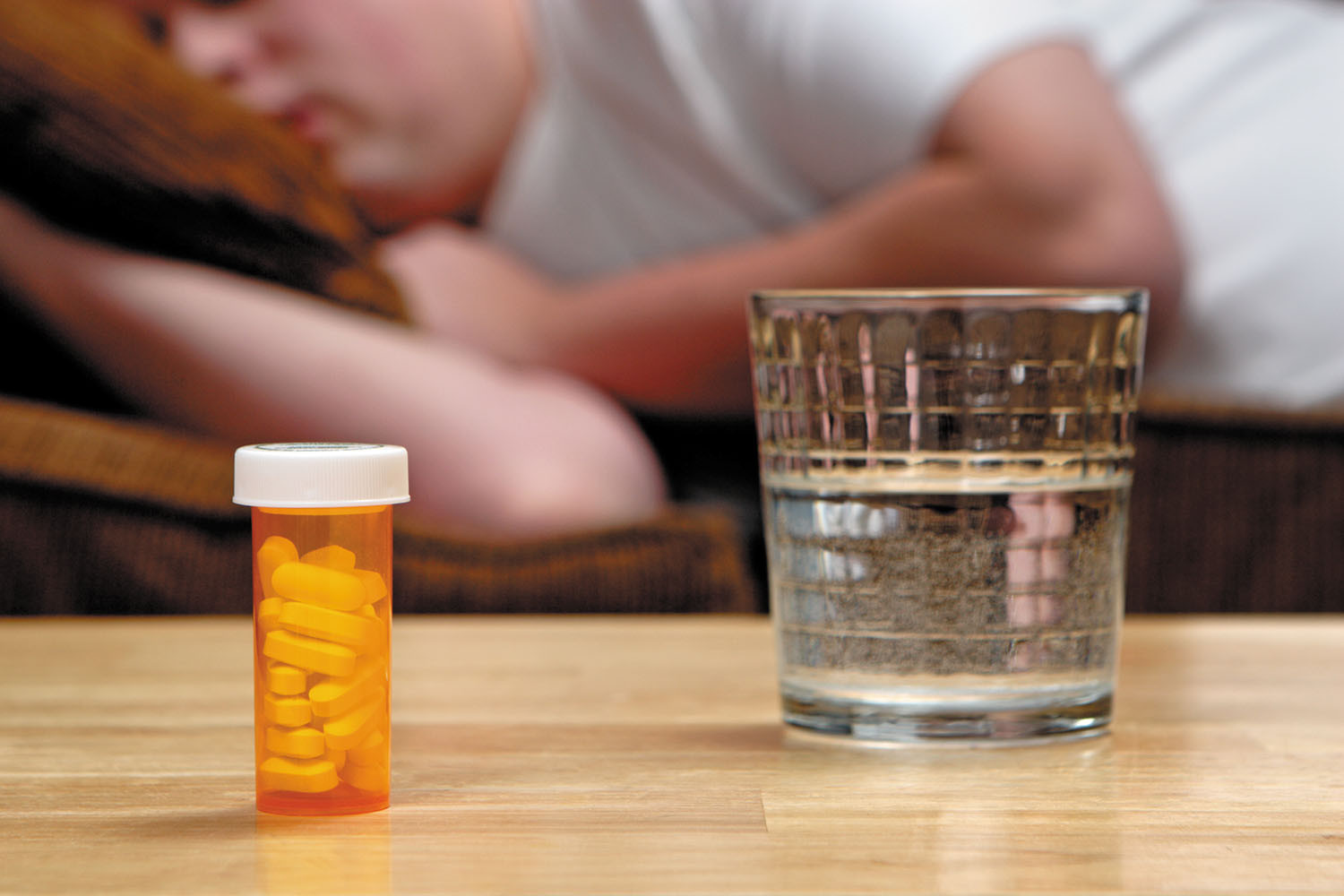
Are drugstore sleep aids safe?
Observe these caveats if you use over-the-counter drugs or dietary supplements to help you sleep.
Image: © Spauln/Getty Images
It's 2 a.m. and you can't sleep. Is it okay to take a nonprescription remedy? "They're not meant for the long term, but it may be okay for an occasional night of problems with sleep," says sleep expert Dr. Lawrence Epstein, an instructor in medicine at Harvard Medical School.
But which option should you reach for? Drugstore shelves are lined with a dizzying array of products promising a good night's sleep. They fall into two categories: nonprescription medications and dietary supplements.
Sacroiliac joint pain: Causes, symptoms, and exercises that help
What causes knee pain: How doctors make a diagnosis
Study: At-home colorectal cancer screening may significantly cut colon cancer deaths
Where you carry excess weight matters in predicting heart disease risk
Tai chi walking: What is it and does it work?
Fatty liver disease: Should you be tested?
Weight-loss drug may lower risk of heart attacks and infections
Testosterone therapy without evidence of deficiency may boost heart risk
Even a little exercise linked with lower stroke risk in people with afib
FDA approves first mRNA-based flu vaccine
Free Healthbeat Signup
Get the latest in health news delivered to your inbox!
Sign Up
