
Sacroiliac joint pain: Causes, symptoms, and exercises that help

What causes knee pain: How doctors make a diagnosis

Study: At-home colorectal cancer screening may significantly cut colon cancer deaths

Where you carry excess weight matters in predicting heart disease risk

Tai chi walking: What is it and does it work?

Fatty liver disease: Should you be tested?

Weight-loss drug may lower risk of heart attacks and infections

Testosterone therapy without evidence of deficiency may boost heart risk

Even a little exercise linked with lower stroke risk in people with afib

FDA approves first mRNA-based flu vaccine
Social engagement and relationships Archive
Articles

5 truths about protecting your eyes
Of your five senses, which one are you most afraid of losing? If you're like most people, your answer is your ability to see. Because our eyesight is so precious, it's no wonder that myths abound about your eye health, what can damage our eyes — , and what can protect them. Here, we debunk five common myths — and tell you how to truly keep your eyes healthy.
Myth: Doing eye exercises will delay the need for glasses.
Fact: Eye exercises will not improve or preserve vision, help your eye health, or reduce the need for glasses. Your vision depends on many factors, including the shape of your eyeball and the health of the eye tissues, neither of which can be significantly altered with eye exercises.

4 ways to boost your self-compassion
Take a moment to think about how you treat yourself when you make a mistake or fail to reach a goal. If you tend to beat yourself up when things go wrong, you, like most people, can use a little more self-compassion in your life.
Forgiving and nurturing yourself seem to have benefits in their own right. Strong self-compassion can even set the stage for better health, relationships, and general well-being. So far, research has revealed a number of benefits of self-compassion. Lower levels of anxiety and depression have been observed in people with higher self-compassion. Self-compassionate people recognize when they are suffering and are kind to themselves at these times, thereby lowering their own levels of related anxiety and depression.

Does apple cider vinegar have any proven health benefits?
On call
Q. I have heard a lot about how apple cider vinegar can help improve one's health. Is there anything to this?
A. As with so many dietary fads, apple cider vinegar has seen its share of health claims with little medical evidence to support them. The studies exploring its health benefits have focused on reductions in blood sugar levels and weight loss, but these have been small, short-term trials or animal studies.
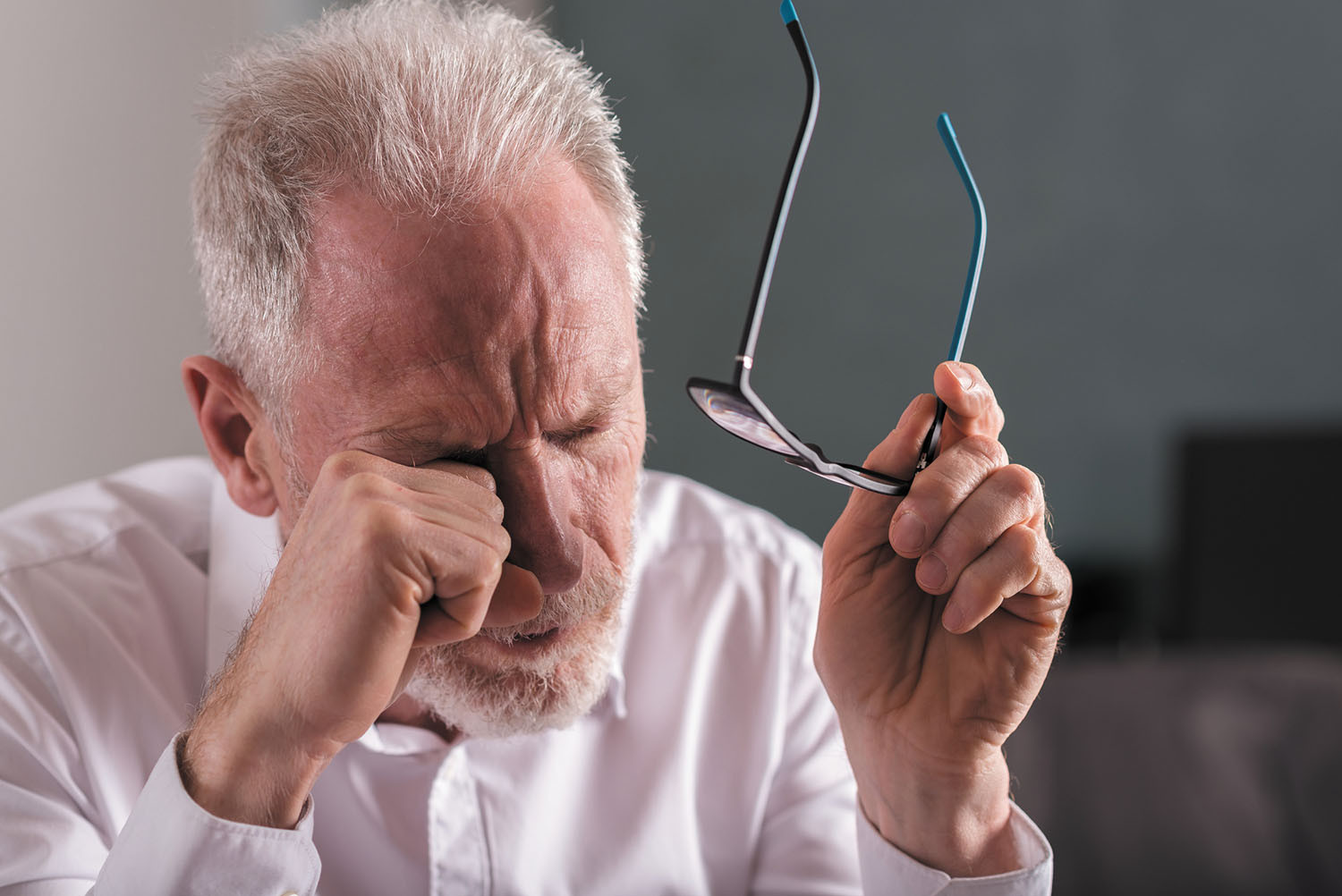
When should you worry about fatigue?
On call
Image: © thodonal/Getty Images
Q. I have been quite fatigued over the past two weeks. How long should I wait before seeing a doctor?
A. We all go through periods of low energy. Even a week of feeling more tired than usual is not uncommon.

4 ways to get better sleep
People with insomnia struggle to get a good night's rest and wonder how to sleep better They may be plagued by trouble falling asleep, unwelcome awakenings during the night, or fitful sleep - alone or in combination. They may feel drowsy during the day and yet be unable to nap. Insomnia can leave a person feeling anxious and irritable or forgetful and unable to concentrate.
Finding an effective solution requires uncovering the cause. Nearly half of insomnia cases stem from psychological or emotional issues. Stressful events, mild depression, or an anxiety disorder can make falling asleep and staying asleep difficult. Ideally, once the underlying cause is treated, the insomnia improves.

5 weight training tips for people with arthritis
Strength training is good for just about everyone. It's especially beneficial for people with arthritis. When properly done as part of a larger exercise program, strength training helps them support and protect joints, not to mention ease pain, stiffness, and possibly swelling. Yet, the thought of starting a weight training program can be daunting to many arthritis sufferers.
If you have arthritis and want to incorporate strength training into your health routine, these tips can help you get started.

A strong core: The simple, flexible, and portable workout
Strengthening your core muscles doesn't have to be overwhelming. You can do these simple exercises anywhere and adapt them as you gain fitness.
The office workout
The following routine is a great way to ease into core work. You can do these four exercises at work, without your colleagues being any the wiser. You can do these exercises at home, too, thanks to simple variations. The front plank, for example, can be done while either leaning on your desk or using the kitchen counter to support your weight.

Questions to ask before getting a hip replacement
Bring this article to your doctor appointment.
You've run out of options for hip pain and you're facing a possible hip replacement (see "Anatomy of a hip replacement"). Once your doctor has determined that you're a good candidate for surgery — based on your medical history, images of your hip, steps you've taken to reduce pain (such as weight loss and low-impact exercise programs), and how pain has affected your daily function — you'll need to ask lots of questions.
"This is not a time to be shy. Be aggressive and get answers. The doctor expects that," says Dr. Scott Martin, an associate professor of orthopedic surgery at Harvard Medical School and medical editor of the Harvard Medical School Guide Total Hip Replacement.

12 minutes of exercise might lower risks for heart disease and diabetes
News briefs
Ever wonder how much exercise time it takes to start reducing your risk for heart disease and diabetes? It could be as little as 12 minutes, according to a Harvard study published Nov. 17, 2020, in Circulation. Scientists analyzed blood from more than 400 middle-aged men and women before and just after they'd pedaled for 12 minutes on cycling machines, reaching a vigorous rate. In particular, scientists measured levels of almost 600 natural body chemicals (metabolites). Exercise produced significant changes in most metabolites. For example, the level of one metabolite linked to heart disease and diabetes fell by 29%. Another metabolite tied to diabetes risk and liver disease fell by 18%. That suggests, but doesn't prove, that 12 minutes of daily exercise (that includes vigorous activity) might reduce the risk of heart disease and diabetes. What if you're more of a moderate-intensity exerciser? "We don't know yet if moderate-intensity exercise would have a similar effect on metabolites. But study participants started off with very light exercise, and each minute the intensity increased," says Dr. Gregory Lewis, the study's senior author and a cardiologist at Harvard-affiliated Massachusetts General Hospital.
Image: © artvea/Getty Images

Try this move for better core strength
Strengthening your core using plank exercises can help ease back pain. The plank position is essentially the high part of a push-up. People who can't hold this position can try a modified version by bending their knees and resting them on the ground. Build strength by practicing holding a plank for as long as you can, and then progressively working to hold it for longer each time.
Sacroiliac joint pain: Causes, symptoms, and exercises that help
What causes knee pain: How doctors make a diagnosis
Study: At-home colorectal cancer screening may significantly cut colon cancer deaths
Where you carry excess weight matters in predicting heart disease risk
Tai chi walking: What is it and does it work?
Fatty liver disease: Should you be tested?
Weight-loss drug may lower risk of heart attacks and infections
Testosterone therapy without evidence of deficiency may boost heart risk
Even a little exercise linked with lower stroke risk in people with afib
FDA approves first mRNA-based flu vaccine
Free Healthbeat Signup
Get the latest in health news delivered to your inbox!
Sign Up
