
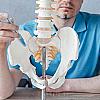
Sacroiliac joint pain: Causes, symptoms, and exercises that help

What causes knee pain: How doctors make a diagnosis

Study: At-home colorectal cancer screening may significantly cut colon cancer deaths

Where you carry excess weight matters in predicting heart disease risk

Tai chi walking: What is it and does it work?

Fatty liver disease: Should you be tested?

Weight-loss drug may lower risk of heart attacks and infections

Testosterone therapy without evidence of deficiency may boost heart risk

Even a little exercise linked with lower stroke risk in people with afib

FDA approves first mRNA-based flu vaccine
Social engagement and relationships Archive
Articles

Vitamins A, E, and D tied to fewer colds, lung disorders
News briefs
Getting enough vitamins through diet (or a multivitamin, if necessary) is one of the best ways to bolster your immune system. And you may wonder if vitamins can also ward off colds and other respiratory conditions. An observational study published Oct. 27, 2020, by BMJ Nutrition Prevention & Health offers encouraging news. Researchers evaluated the self-reported diet information of more than 6,000 British adults over eight years. People who reported the highest intakes of vitamins A and E from both diet and supplements, and high intake of vitamin D just from supplements, had the fewest complaints of respiratory illness, such as colds, asthma, and chronic obstructive pulmonary disease. The study doesn't prove that these vitamins prevented respiratory problems, but other studies have linked them to lower risks for respiratory disease. Vitamins are most effective when they come from diet. Good sources of vitamin A include liver; whole milk; cheese; carrots; and dark, leafy greens. Good sources of vitamin E include vegetable oils, nuts, and seeds. It's difficult to get enough vitamin D from food (such as fish or fortified milk), so taking 1,000 IU of vitamin D3 provides some insurance.
Image: © o-che/Getty Images

Beware do-it-yourself cosmetic injections
Research we're watching
Cosmetic procedures, including injection of neurotoxins (like Botox) and dermal fillers, have become very popular for their power to smooth wrinkles and minimize signs of aging. But the American Academy of Dermatology is warning that these procedures are not for DIYers. An article published in the April 2020 issue of the Journal of the American Academy of Dermatology outlined an uptick in the number of illegal injectable fillers and neurotoxins being sold to the public online. When used by trained providers, these products are generally safe, but serious complications can arise, including stroke, infections, blindness, and tissue death. In rare cases, improper use leads to fatal complications. Some people have been purchasing these products online and following Internet tutorials to inject the products themselves. If you are planning on having any of these treatments, be certain to have the procedure performed in a medical office by a licensed medical professional.
Image: © Anastasiia Kurman/Getty Images

Boost vitality by engaging your brain
Continuing work and satisfaction in life can help older adults preserve their cognitive health.
Declining brain health is perhaps the greatest fear of older adults. The good news is that you can take steps to maintain your thinking and memory for many years to come.
A healthy diet, regular aerobic exercise, and proper sleep are essential to keep your brain healthy. But work engagement and life satisfaction are two additional factors that confer mind benefits.

How important are whole grains in my diet?
On call
Q. I eat plenty of fruits and vegetables, but are whole grains also important?
A. Fruits and vegetables seem to get top billing on the healthy food list, but I put whole grains right up there. There are two types of grain: whole and refined. All grains grow as kernels, and each kernel has three layers:

Harder workout intensity may not increase your longevity
Research we're watching
Good news if you take a more leisurely approach to your workouts: a recent study found that people who performed harder workouts didn't live any longer, on average, when compared with people who did more moderate workouts. Researchers studied a group of people in Norway who participated in five years of supervised exercise training. The participants included 790 women and 777 men (with an average age of 73), divided into three groups. Everyone followed federal recommendations to get 30 minutes of moderate exercise on most days of the week. But in addition to that, one group received two supervised weekly sessions of high-intensity interval training. A second group added two supervised moderate-intensity continuous training workouts per week. All three groups continued their assigned workouts for five years.
At the conclusion of the trial, 4.6% of the participants had died, but there was no significant difference in death rates between the group that followed the modest federal exercise recommendations and the two groups that did the more intense workouts. In addition, all groups had similar levels of cardiovascular disease and deaths from cancer. However, that's not to say that participating in regular high-intensity workouts wasn't linked to any benefits. The participants who did the harder workouts had better outcomes on certain measures of mental health and physical fitness.

How to build a better core
People looking for new ways to strengthen their core can try walk-and-carry exercises, also known as "loaded carries," where they hold weights like dumbbells or kettlebells while walking. This type of movement teaches how to brace the core, which engages much of the entire core musculature, including your shoulders, back, and hips.

Reset your schedule, reset your health
Schedule shifts can hurt your health. The New Year is a great time to hit the reset button.
Throughout most of human history, the pattern of daily life was regular. Dreary for many, but regular. In recent centuries, "modern" life has introduced many irregularities, including changing work schedules. Advances in information technology mean that many of us are always connected — and that we spend time connecting at all hours. And the COVID-19 pandemic has introduced whole new irregularities into daily life.
One thing is certain: "When your schedule changes, you can lose the regular self-care routines that kept you active, eating right, and managing stress — things we need to control weight and inflammation and fight disease," says Dr. Monique Tello, a primary care physician and healthy lifestyle specialist with Harvard-affiliated Massachusetts General Hospital.

Should you crank up your early allergy strategies this year?
Even if you're isolating to avoid COVID-19, it's still important to be proactive when it comes to allergies.
This is normally the time of year to think about taking medications to ward off spring allergies. Starting treatment about a month before the season (which begins in February in some parts of the country) gives the drug time to achieve its full effect and prevent symptoms.
But the pandemic may have you questioning that approach: is an early regimen necessary if you're isolating and you're not going outside very often? The answer is yes. "Even a short walk around the neighborhood, sitting on a patio, or simply opening the windows for fresh air could expose you to allergens," says Dr. Anna Wolfson, an allergist and immunologist at Harvard-affiliated Massachusetts General Hospital.

COACH yourself to success
Make this year's batch of New Year's resolutions stick by taking a new approach.
It's a new year, and you've got a resolution in mind. Whether it's aiming for a healthier diet, improving your stress management, or finally committing to that daily workout, achieving your goal probably won't be easy. Resolutions made on New Year's Day are often in the trash bin by Valentine's Day. But this year can be different if you learn how to COACH yourself to success.
Dr. Beth Frates, an assistant professor of physical medicine and rehabilitation at Harvard Medical School, designed a strategy she calls COACH to move you toward your goals. It's a process that can help sidestep pitfalls that may have derailed you in the past.

Should I get cataract surgery?
Ask the doctors
Q. I have mild cataracts. Is it important for me to get surgery now to correct the problem?
A. Not necessarily. Cataracts, a condition marked by clouding of the eye's lens, are not a threat to your health. If they're not bothering you or affecting your vision during important tasks, such as driving, you don't need to get surgery if you don't want to. Typically, the vision changes associated with cataracts slowly worsen over time. These may include problems such as cloudy, blurred, or dim vision; sensitivity to the glare from lights; faded colors; or seeing halos around lights. Initially, cataracts might not affect your life too much. You can often successfully manage the vision problems they cause by getting new glasses or contact lenses.
Sacroiliac joint pain: Causes, symptoms, and exercises that help
What causes knee pain: How doctors make a diagnosis
Study: At-home colorectal cancer screening may significantly cut colon cancer deaths
Where you carry excess weight matters in predicting heart disease risk
Tai chi walking: What is it and does it work?
Fatty liver disease: Should you be tested?
Weight-loss drug may lower risk of heart attacks and infections
Testosterone therapy without evidence of deficiency may boost heart risk
Even a little exercise linked with lower stroke risk in people with afib
FDA approves first mRNA-based flu vaccine
Free Healthbeat Signup
Get the latest in health news delivered to your inbox!
Sign Up
