
Sacroiliac joint pain: Causes, symptoms, and exercises that help

What causes knee pain: How doctors make a diagnosis
Study: At-home colorectal cancer screening may significantly cut colon cancer deaths
Where you carry excess weight matters in predicting heart disease risk
Tai chi walking: What is it and does it work?
Fatty liver disease: Should you be tested?

Weight-loss drug may lower risk of heart attacks and infections

Testosterone therapy without evidence of deficiency may boost heart risk

Even a little exercise linked with lower stroke risk in people with afib

FDA approves first mRNA-based flu vaccine
Social engagement and relationships Archive
Articles

What to look for in an online exercise video for older adults
Make sure it's tailored to your needs and has the elements that are essential for health and safety.
You've resolved to exercise more, and you're looking for an online exercise video that will help you achieve your fitness goals. That's a great start, but there's more to choosing an exercise video than simply finding workouts that appeal to you. "Online exercise videos aren't regulated. And trying to keep up with a workout that isn't designed for older adults could lead to injury," says Dr. Edward Phillips, assistant professor of physical medicine and rehabilitation at Harvard Medical School and Whole Health medical director at VA Boston Healthcare System.
Where to start
YouTube is a rich resource for effective exercise videos. You can find workouts designed for older adults from hospitals, government health agencies, academic centers (including Harvard Medical School), personal trainers, and senior centers. However, YouTube also contains scores of workout videos that could be risky for older adults. So it takes work to find a workout tailored to your needs.

The health effects of too much gaming
While playing video games can be a fun pastime, and there are some potential benefits, there are health risks associated with too much gaming. They include repetitive stress injuries, vision problems, sleep deprivation, depression, and possibly addiction to playing.

Early birds may be more active, but night owls can catch up
Researchers measuring activity levels found that people who tend to go to bed later and sleep later also tend to get less physical activity, compared to early risers. However, these results don't mean that being a night owl is the cause of getting less activity, or that such behavior can't be changed.
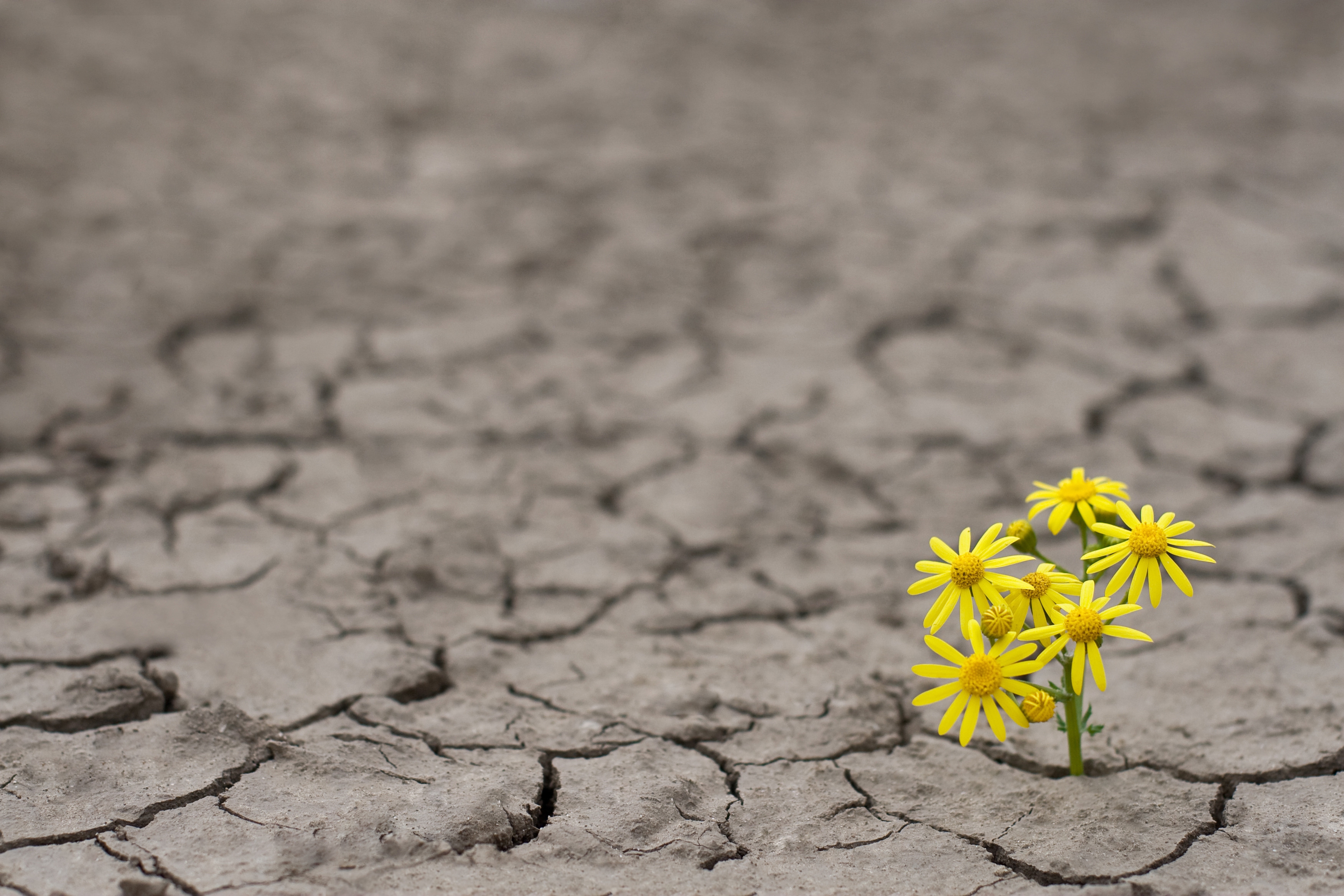
Choosing joy during difficult times
As this year’s challenges and stressors have piled up, many people have found it increasingly difficult to find any joy in their lives. A good portion of our happiness is related to our own attitudes and actions, and the actions of others can show us how to find contentment, happiness — even joy— in the most difficult of times.

How to give yourself — and others — a break

Gender fluidity: What it means and why support matters
Gender fluidity refers to changes over time in gender identity and gender expression. For many people, gender identity and expression develop early and stay the same; for others, one or both may change. Understanding and supporting young people exploring gender is important to their emotional and physical well-being.

Coping with face mask discomfort
A few adjustments may be all it takes to help you keep your mask on and your COVID guard up.
We all have to wear face masks these days to help reduce the spread of COVID-19. But wearing a mask can be uncomfortable. The fix may just be a matter of trying a different type of mask (see "What to look for in a cloth mask").
Here are some common mask complaints and ways to resolve them.

Take a soak for your health
The benefits of tub baths are more than skin deep. Bathing regularly can help ease pain and potentially benefit your heart.
You know that sinking into a warm bath at the end of a long day can help you relax and unwind, but did you know it might also be good for your health? Research shows that using baths as a form of medical therapy, sometimes referred to as balneotherapy (see "Balneotherapy, or bath therapy"), can bring health benefits — among them, easing certain types of chronic pain, helping your skin, and potentially even improving heart health.
Balneotherapy, or bath therapyThe name balneotherapy is derived from the Latin word balneum, or bath. Today, balneotherapy may refer to the use of a typical bath (warm or cold) as a treatment for an illness or condition. However, the term historically and sometimes still refers to mineral baths or mineral-rich mud packs to coat the body. Some medical professionals also consider saunas or steam baths as balneotherapy. |

How do I improve the quality of my sleep?
Ask the doctor
Q. How many hours of sleep do I need each night, and how do I improve the quality of my sleep?
A. Adults need to average between seven and nine hours of sleep per night. If you're over 65, eight hours might be enough. The occasional short night of sleep won't hurt you.

Medication and your skin
Certain drugs or treatments may affect the skin, causing side effects like excessive dryness or blue spots.
Having problems with your skin? You may want to look in your medicine cabinet. Numerous prescription drugs and even over-the-counter treatments may bring unexpected skin changes, says Dr. Suzanne Olbricht, an associate professor of dermatology at Harvard Medical School. Medications to look out for include the following.
Blood-thinning medications
Spontaneous bruising that occurs even without bumping into something becomes more common as you get older. Doctors call it senile or actinic purpura and it happens often in people who take medication to prevent blood clots, such as warfarin (Coumadin) or even a baby aspirin. "As you age, the dermis, the thick middle layer of the skin, begins to thin and doesn't support the blood vessels inside as well as it used to," says Dr. Olbricht. This can make the blood vessels more likely to break. Even the tiniest injury can release blood under the skin, leading to the discoloration and dark purple bruises that characterize this condition.
Sacroiliac joint pain: Causes, symptoms, and exercises that help
What causes knee pain: How doctors make a diagnosis
Study: At-home colorectal cancer screening may significantly cut colon cancer deaths
Where you carry excess weight matters in predicting heart disease risk
Tai chi walking: What is it and does it work?
Fatty liver disease: Should you be tested?
Weight-loss drug may lower risk of heart attacks and infections
Testosterone therapy without evidence of deficiency may boost heart risk
Even a little exercise linked with lower stroke risk in people with afib
FDA approves first mRNA-based flu vaccine
Free Healthbeat Signup
Get the latest in health news delivered to your inbox!
Sign Up
