

Naturally gluten-free foods

Harvard study: Healthier fats linked to longer life after prostate cancer diagnosis

Shingrix shingles vaccine linked with lower heart disease risks

Estrogen-only hormone therapy tied to lower dementia risk
Should you have a hysterectomy?

Stair climbing may significantly lower cardiovascular risks

Why do I sweat so much?

Walking pneumonia: The "mild" illness that can still pack a punch

What causes knee pain: How doctors make a diagnosis
Where you carry excess weight matters in predicting heart disease risk
Sexually transmitted infections (STIs) Archive
Articles
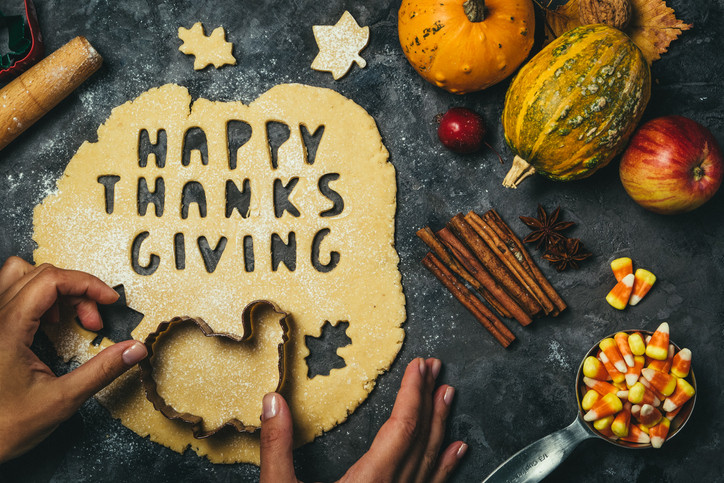
Keeping your family safe this Thanksgiving
This year, the safest choice for celebrating Thanksgiving is to do so at home only with those you live with, yet some people are still going to want to gather. If you are considering celebrating with others, there are some things you can do to help limit COVID-related risks.

Bracing for contact tracing

Communities of color devastated by COVID-19: Shifting the narrative
Communities of color, which have long struggled against health disparities, have been affected much more severely by the COVID-19 pandemic than white communities. Now is the time to take stock of misconceptions, mistrust, and missteps that helped fuel infection rates and devastating outcomes last spring.

Promoting equity and community health in the COVID-19 pandemic
At one Boston health care system a range of initiatives aimed at improving health care equity were launched as the pandemic swept forward last spring, taking a disproportionate toll on communities of color. Building on this could prove key as the virus resurges this winter.

Gender differences in cardiovascular disease: Women are less likely to be prescribed certain heart medications

Advancing maternal justice on both sides of the Atlantic
Getting your vitamins and minerals through diet
The benefits of multivitamins are looking doubtful. Can we do without them?
The answer is a qualified yes – we can do without them, as long as you eat a well-balanced diet rich in fruits and vegetables.
In the past, doctors often suggested a standard multivitamin with minerals each day. They don't cost much, and earlier studies had shown some benefits. For example, it appeared that folic acid and other B vitamins might lower the risk of heart disease, stroke and possibly cancer. But more recent studies have shown no added benefit of multivitamins for healthy people that eat a balanced diet.

Ask the doctor: Heavy bleeding, fibroids, and polyps
Q.I am 53. I've had fibroids for some time but have experienced heavy menstrual bleeding lately. A recent ultrasound showed fibroids and polyps. What are my options?
A. As you know, you're almost certainly in perimenopause, the four to eight years leading up to menopause and the complete cessation of menstruation. Every woman's script for the transition to menopause is a little bit different, but it's very common for the menstrual cycle to be irregular and the amount of blood flow to vary. Erratic ovulation — the release of eggs from the ovaries — may result in hormonal changes that cause the lining of the uterus (the endometrium) to become thicker than usual, so when it sloughs off, the menstrual bleeding is heavier and more prolonged than women are used to.

Recharge your sexual energy
If lack of energy has drained your sex life, there are ways to reignite the passion.
Image: © nautiluz56/Thinkstock
Your sexual drive can stay high late in life, but often your energy for sex can diminish. Low energy not only affects your sex life, but can carry over to other parts of your life, too. You can become apathetic, no longer find pleasure in favorite activities, and become more sedentary.
However, many of these issues related to lost sexual energy can be addressed. "Never think lack of energy means an end to your sex life, and there is nothing you can do about it," says Dr. Sharon Bober, director of the Harvard-affiliated Dana-Farber Sexual Health Program. "There are many strategies you can adopt to get back in the game."

Study finds weak link between birth control and breast cancer
Overall risk is very small, and older women who used hormonal contraceptives many years ago aren't likely to have a higher risk.
Image: © designer491/Getty Images
Hormonal birth control — whether it comes as pills, injections, a ring, an intrauterine device (IUD), or an implant — may raise your risk of breast cancer, according to a study published Dec. 7, 2017, in The New England Journal of Medicine.
If you're like many women who currently use one of these contraceptive methods, or if you used one for years in the past, should you be worried?
Naturally gluten-free foods
Harvard study: Healthier fats linked to longer life after prostate cancer diagnosis
Shingrix shingles vaccine linked with lower heart disease risks
Estrogen-only hormone therapy tied to lower dementia risk
Should you have a hysterectomy?
Stair climbing may significantly lower cardiovascular risks
Why do I sweat so much?
Walking pneumonia: The "mild" illness that can still pack a punch
What causes knee pain: How doctors make a diagnosis
Where you carry excess weight matters in predicting heart disease risk
Free Healthbeat Signup
Get the latest in health news delivered to your inbox!
Sign Up
