

Naturally gluten-free foods

Harvard study: Healthier fats linked to longer life after prostate cancer diagnosis

Shingrix shingles vaccine linked with lower heart disease risks

Estrogen-only hormone therapy tied to lower dementia risk

Should you have a hysterectomy?

Stair climbing may significantly lower cardiovascular risks

Why do I sweat so much?

Walking pneumonia: The "mild" illness that can still pack a punch

What causes knee pain: How doctors make a diagnosis

Where you carry excess weight matters in predicting heart disease risk
Sexually transmitted infections (STIs) Archive
Articles
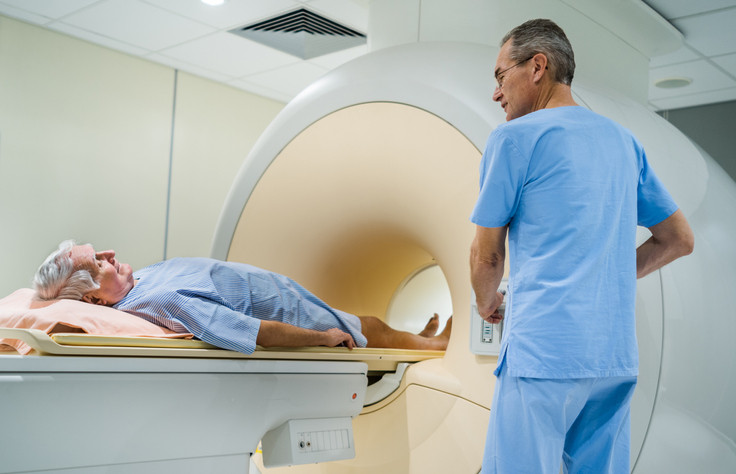
Radiation after prostate cancer surgery may not be necessary
In the journals
Many men with prostate cancer who have a radical prostatectomy (prostate removal) receive radiation therapy afterward to wipe out any residual cancer cells. Alternatively, men can choose to delay radiotherapy and be monitored for evidence of prostate cancer activity, such as a rising blood level of prostate-specific antigen (PSA). If PSA testing or an imaging test like an MRI shows cancer, these men can then consider radiation therapy.
According to the findings of an analysis published online Sept. 28, 2020, by The Lancet, there is no clear benefit of immediate radiation over monitoring with later radiation therapy as necessary. Since some men will never need radiotherapy, this means that by forgoing immediate treatment, they can avoid potential side effects like incontinence and bowel problems.

Good news: Deaths due to HIV are way down

New high-resolution imaging scans approved for use in prostate cancer
Imagine trying to find a single match from a book of matches in a large room. Not an easy task, right? But if the lights were dimmed and the match was lit, then its location would be immediately apparent. This is the basic idea behind PSMA imaging, a newly approved method for detecting prostate cancer […]

Hormone therapy and radiation may help with certain prostate cancer
In the journals
Men with intermediate-risk prostate cancer may benefit from undergoing androgen-deprivation therapy (ADT) depending on how far the cancer has progressed, says a study published online Sept. 9, 2020, by JAMA Network Open. The results could help men better weigh risk versus reward when choosing their prostate cancer treatment options.
The study looked at men with intermediate-risk prostate cancer. This is the mid-range of prostate cancer in terms of aggressiveness between low-risk (which often doesn't need treatment) and high-risk cancer. There are two categories of intermediate-risk cancer: favorable intermediate-risk (FIR) and the more advanced unfavorable intermediate-risk (UIR).

Women with DCIS at increased risk for breast cancer death
Research we're watching
Treatment for women with a type of early breast cancer called ductal carcinoma in situ (DCIS) might not be doing enough to prevent deaths from the disease, says a study published online Sept. 16, 2020, by JAMA Network Open. The study sought to determine whether women diagnosed with DCIS had a higher risk of dying from breast cancer than women who did not have the disease. They looked at 144,524 women who were diagnosed with DCIS from 1994 and 2014 and then treated for the condition. Researchers compared them against women without DCIS from the general population. They found that the women with DCIS had three times the risk of dying of breast cancer in the follow-up period, which ran until December 2016, than women without DCIS. Study authors suggest ways that might identify which women with DCIS need more aggressive therapy to prevent breast cancer death.
Image: © belchonock/Getty Images

"Awe" walks inspire more joy, less distress
News briefs
Need a little inspiration? The next time you take a walk outside, note things that spark a sense of wonder or awe. That's what some older adults tried for a small study published online Sept. 21, 2020, by the journal Emotion. Of the 50 people who took part, half went for weekly 15-minute walks outdoors (alone) for eight weeks, and snapped "selfies" along the way. The other half took the same walks and selfies, but visited a new place each time. They were asked, especially, to note things that inspired a sense of awe — like tree colors or leaves underfoot softened by rain. Participants also answered surveys about the emotions they felt on walk and non-walk days. After analyzing responses and photos, scientists found that people who people took the "awe walks" reported less distress and increasing awe, joy, compassion, and gratitude, compared with people on the regular walks. Awe walkers also smiled more and made themselves smaller in their photos, focusing more on landscapes — a sign of a greater appreciation of the world around them. Try it yourself: On your next walk, imagine you're seeing things for the first time. What will inspire you? Perhaps a path lined with trees, the shore of a lake, or an up-close look at skyscrapers. Jot down your observations, and see if you feel a sense of wonder and joy. Happy trails!
Image: © Igor Alecsander/Getty Images

Unlocking the mystery of chronic pelvic pain syndrome
The condition is an all-too-real problem for men, and one of the more difficult to treat.
After age 50, men often have periods of discomfort "down there." It could be a cramping, aching, or throbbing pain in and around your pelvis and genitals. You also may have issues in the bedroom and bathroom. While the problems are real, the cause is often difficult to pinpoint.
It's called chronic pelvic pain syndrome (CPPS) — also known as chronic prostatitis — and it's one of the most puzzling and difficult-to-manage conditions for older men.

The sequence of hormonal therapy and radiation affects outcomes in men treated for prostate cancer
A common treatment for men with intermediate-risk prostate cancer is to combine radiation with drugs that block testosterone — a hormone that makes the tumors grow faster. (This type of treatment is also called androgen deprivation therapy, or ADT). New research is suggesting the sequence of these treatments may be crucially important. Dr. Dan Spratt, […]
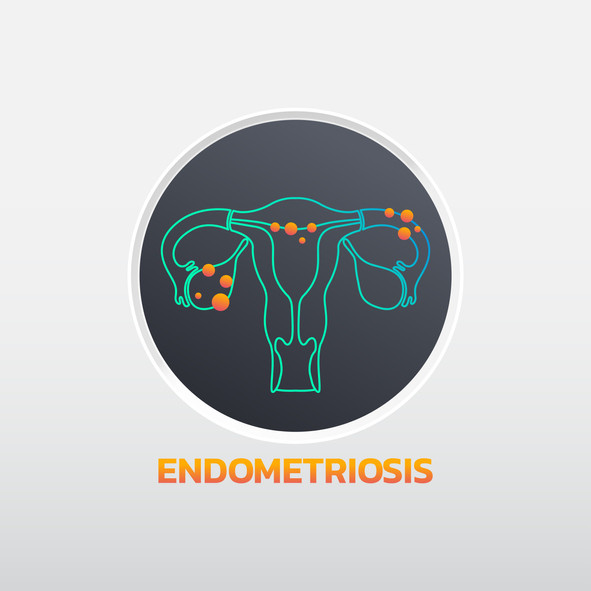
Treating the pain of endometriosis
Endometriosis occurs in women when tissue similar to the lining of the uterus grows in other places in the body, most commonly within the pelvis, causing pain and other symptoms. Many women with this condition are not diagnosed properly until middle age. There are several options for treatment, and it may take time to find what works best for each person.

7 strategies for partnering up with ED
Men who have erectile dysfunction are often embarrassed and are reluctant to talk about their condition. But significant others can help by offering much-needed support in a number of ways.
Naturally gluten-free foods
Harvard study: Healthier fats linked to longer life after prostate cancer diagnosis
Shingrix shingles vaccine linked with lower heart disease risks
Estrogen-only hormone therapy tied to lower dementia risk
Should you have a hysterectomy?
Stair climbing may significantly lower cardiovascular risks
Why do I sweat so much?
Walking pneumonia: The "mild" illness that can still pack a punch
What causes knee pain: How doctors make a diagnosis
Where you carry excess weight matters in predicting heart disease risk
Free Healthbeat Signup
Get the latest in health news delivered to your inbox!
Sign Up
