

People who walk more or walk faster live longer, study finds

For sleep apnea, a dental device may be as effective as CPAP

Rosacea treatments: What works?

Carb cycling: What is it, and does it work?

Understanding orthorexia: Have your healthy eating goals gone too far?

Melatonin or magnesium: Can either supplement help you sleep?

Salmonella, E. coli, Cyclospora, and other germs that cause food poisoning: What you need to know

Naturally gluten-free foods

Harvard study: Healthier fats linked to longer life after prostate cancer diagnosis

Shingrix shingles vaccine linked with lower heart disease risks
Sexually transmitted infections (STIs) Archive
Articles

How long should sex last?
Men may expect sex to last a certain length of time based on what they’ve seen in media. Research indicates the average man climaxes five to six minutes after vaginal penetration. Premature ejaculation is loosely defined as ejaculating in under two minutes.
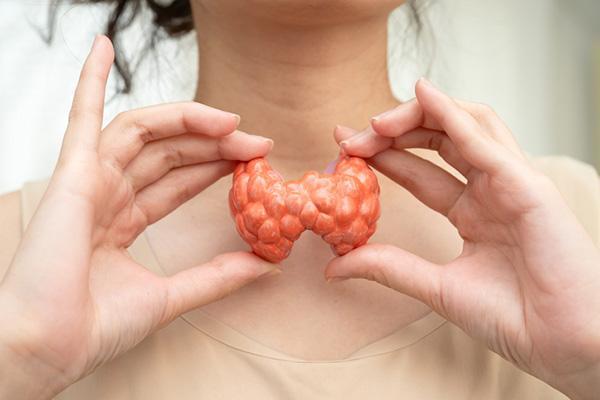
Could Graves' disease raise the risk of other autoimmune conditions?
Graves’ disease affects the thyroid, but its broader impact may involve other parts of the body. Find out which conditions doctors monitor.

Could sarcoidosis affect platelet levels?
A sarcoidosis diagnosis followed by ITP can raise concerns about a possible connection. Discover what may link these conditions and what remains uncertain.

Will fibroid bleeding ease after menopause?
Fibroids can change as hormone levels shift, but bleeding patterns and new symptoms after menopause still deserve careful medical attention.

Can estrogen cream help with vaginal atrophy?
Vaginal dryness and discomfort can affect intimacy and daily life. See which options may ease symptoms linked to changing estrogen levels.

Can Flomax affect men's sexual function?
Flomax can change sexual experiences in ways that may be hard to separate from aging or other prostate medicines taken at the same time.
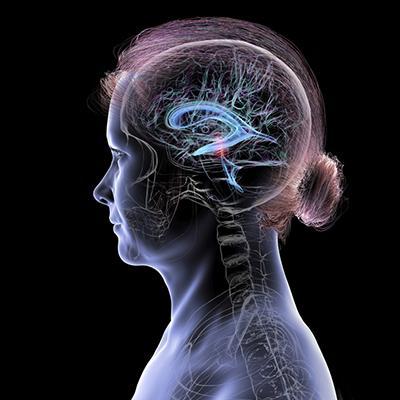
From periods to menopause: How estrogen levels throughout life affect women's brain health
Women’s reproductive history, including first period, pregnancy, and menopause, influences their lifetime exposure to estrogen, which appears to shape brain aging and dementia risk. Menopause is believed to be the strongest reproductive factor, with later menopause tied to lower dementia risk.
HPV testing at home: A new option for women
In January 2026, the U.S. Department of Health and Human Services issued cervical cancer screening guidelines that, for the first time, include an option for women to perform an at-home human papillomavirus (HPV) test. HPV causes about 95% of cervical cancers.

Does a lingering cough mean I still have an infection?
A cough that lingers for weeks after a cold can be confusing. Learn why it can persist, what else might be going on, and when to see your doctor.
Should you have a hysterectomy?
Each year, about 600,000 American women undergo hysterectomy—surgery to remove the uterus and sometimes other reproductive organs as well—most often to alleviate symptoms rather than to save lives. Women opt for hysterectomy for conditions such as excessive uterine bleeding, pelvic pain, and fibroids.
People who walk more or walk faster live longer, study finds
For sleep apnea, a dental device may be as effective as CPAP
Rosacea treatments: What works?
Carb cycling: What is it, and does it work?
Understanding orthorexia: Have your healthy eating goals gone too far?
Melatonin or magnesium: Can either supplement help you sleep?
Salmonella, E. coli, Cyclospora, and other germs that cause food poisoning: What you need to know
Naturally gluten-free foods
Harvard study: Healthier fats linked to longer life after prostate cancer diagnosis
Shingrix shingles vaccine linked with lower heart disease risks
Free Healthbeat Signup
Get the latest in health news delivered to your inbox!
Sign Up
