
Reading the current blood pressure guidelines

Oat vs. dairy milk: Nutrition, benefits, and downsides

Microplastics: A hidden health threat?

Healing after food poisoning

What is tempeh? Benefits, nutrition, and how to use it

Light exposure at night may raise risk for heart disease

Whole grains may improve several heart risk factors at once

A lumbar belt may help ease low back pain

Children of centenarians may stay healthier and live longer too, study finds

Signs of pneumonia: Sometimes vague and unexpected
Safety/injury prevention Archive
Articles

3 trends worth tapping into
Activity trackers, farmers' markets, and mindfulness aren't just passing fancies. They can help you develop beneficial health habits.
Image: julia514/iStock
The word "trendy" has come to refer to a fad or fashion that may have little lasting value, so it can be a turn-off, especially when applied to health practices. But trends can also have lasting health benefits—for example, the trends toward making public places smoke-free or adding calorie counts to fast-food menus. There is increasing evidence that the three trends below fall into the "beneficial" category.
1. Wearing activity trackers
2. Shopping at farmers' markets
In the last 30 years, farmers' markets have moved from the sides of rural roads to the centers of major cities and everywhere in between. Although it may be coincidental, farmers' markets are tailor-made for people who are serious about following the 2015–2020 Dietary Guidelines for Americans, which advise a gradual shift to a plant-based diet centered around vegetables, fruits, and whole grains. In one recent study conducted by researchers at Harvard T.H. Chan School of Public Health, when people began to shop at inner-city farmers' markets, they also consumed less sugary soda and more vegetables than they had previously. Farmers' markets offer several other advantages over supermarkets:
Freshness. Just-picked produce is at its peak in flavor and nutrition.
Variety. You may find some fruits or vegetables you haven't seen before or new versions of old standards.
Information. Because the people who sell the produce are likely to have had a hand in growing it, they should be able to tell you the kind of farming methods used and offer suggestions on preparing the food.
Samples. If you're wondering if the cherries are sweet or tart or if the apples are crisp, ask for a sample. Most vendors are happy to comply.
Sustainability. Eating locally or regionally grown produce means less energy is expended bringing it to your table. And supporting regional agriculture is good for your community.
You can find a farmers' market near you by going to the U.S. Department of Agriculture website using the link at www.health.harvard.edu/farmers.
3. Practicing mindfulness
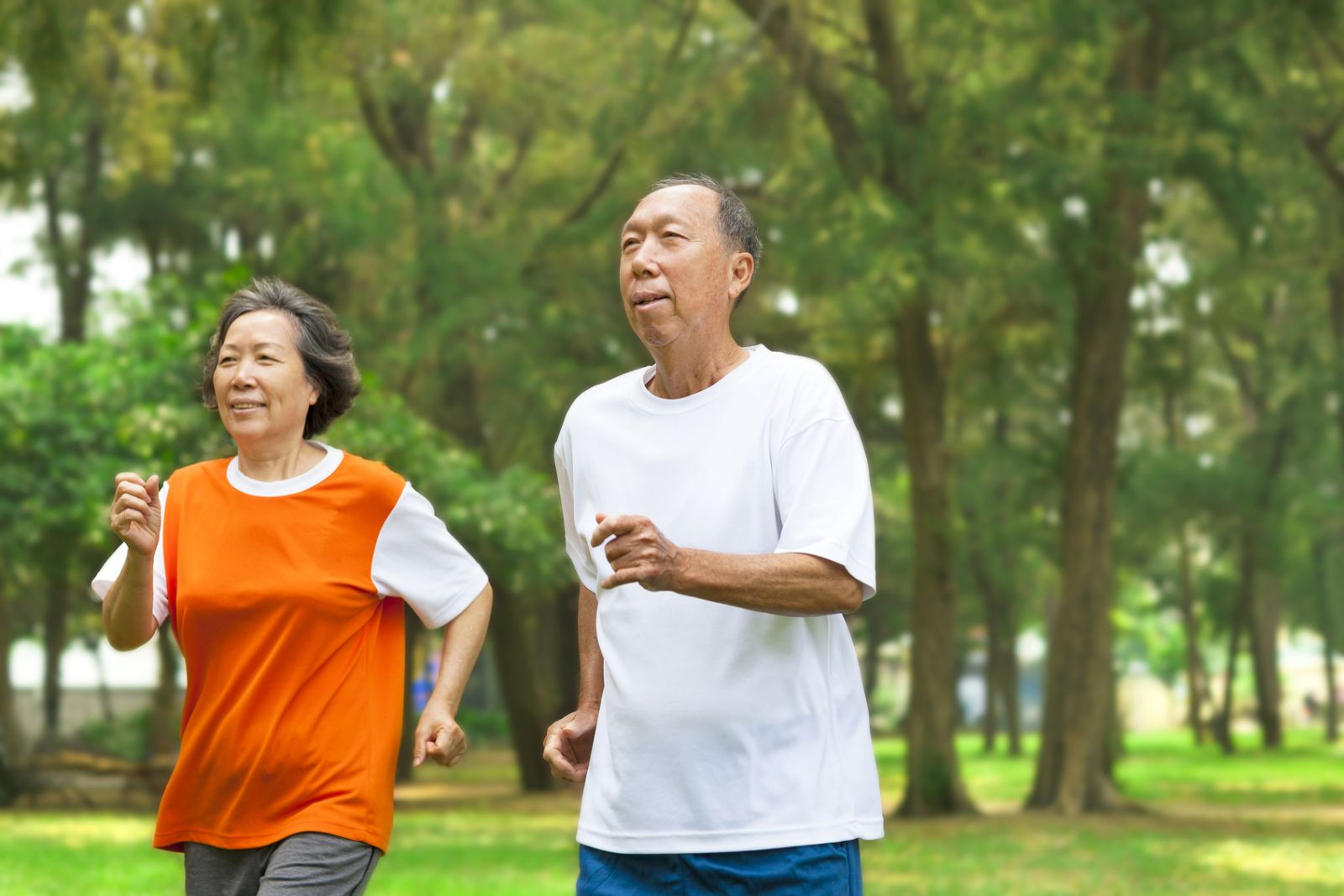
Need a quick brain boost? Take a walk
A brief bout of aerobic exercise can help if you need to stay focused on a task and solve problems more efficiently.
Image: Tomwang112/iStock
It's not news that exercise is good for your body. You can probably recite the litany of physical benefits of regular activity: Exercise helps control your weight, lowers your blood pressure, and dampens inflammation. It reduces the risk of having a heart attack or stroke or of developing diabetes or certain cancers.
But exercise is just as important for your mind. Not only is regular exercise associated with a reduced risk of depression and anxiety, there is mounting evidence that it slows cognitive decline and may reduce the risk of dementia. "There is good evidence that exercise behaves like medicine to improve brain health and thinking skills. There is a growing body of science behind this," says Dr. Scott McGinnis, assistant clinical professor of psychiatry at Harvard Medical School.
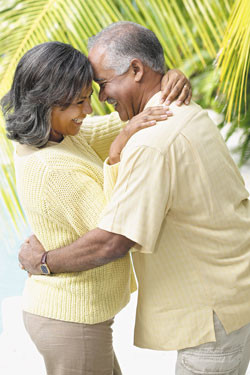
Dance your way to better heart health?
Regular, moderate-intensity dancing may lower the risk of dying of cardiovascular disease. Aside from the exercise benefits, dancing is often a lifelong habit and provides stress-lowering social connections.

Does regular exercise reduce cancer risk?
It appears people with the highest levels of physical activity have lower rates of cancer of the esophagus, lung, kidney, colon, head and neck, rectum, bladder and breast, compared with people with the lowest levels of physical activity.

Exercise-free activities that work your muscles and heart
Dancing, playing sports, and even cleaning your house can give you a nontraditional workout that helps maintain good health.
Image: Jon Feingersh/Thinkstock
Exercising is supposed to be a regular part of your daily health maintenance. That can be a problem if you don't have the motivation to get your heart pumping; you raise your risk for weight gain, chronic disease, and an earlier death.
Fortunately, you can get plenty of effective exercise by engaging in recreational or household activities that work your heart and muscles. "There's a real reward in doing an activity you enjoy, such as swimming or playing with your grandchildren. You get a workout, but it doesn't seem like you're exercising, and you may be more willing to keep doing that activity every day because it's fun," says Dawn Rogers, a physical therapist at Harvard-affiliated Brigham and Women's Hospital.

Could occupational therapy enhance your quality of life?
Get your life back by learning new ways to do once-simple activities that are now challenging.
Image: McIninch/Thinkstock
Occupational therapy (OT) is well known as part of recovery for people who've had a stroke or surgery: it helps them relearn everyday activities and adjust to doing them differently. But OT can also make a difference for people struggling with the physical changes that accompany aging, such as hand arthritis or hip or knee problems that cause pain and problems with mobility. "We teach people how to approach activities differently so they can keep pain under control while doing what they want to do. It's all about maintaining independence," says Allison Pinsince, an occupational therapist at Harvard-affiliated Massachusetts General Hospital.
How OT works
Multiple approaches
Sometimes that adjustment involves training you to use adaptive equipment to make it easier to do everyday activities. "There are so many tools, it can be overwhelming if you don't know exactly what you need," says Pinsince.
For example, there are tools to help you eat if you have trouble gripping: specially shaped utensils, and bowls and plates curved to help you load food onto a fork. There's adaptive equipment to help in the bathroom (shower chairs, raised toilet seats, and aids for hygiene) and to help you dress (long-handled equipment to put on socks and shoes, shirt buttoners, and elastic shoelaces).
OT may also include an exercise program to strengthen muscles around a joint that's so painful it keeps you from performing an activity. The takeaway is that you may not need to suffer. "We can help you do some of the meaningful activities of life more easily," says Pinsince.

More evidence that a healthy lifestyle might help prevent cancer
It appears that four healthy habits—getting 150 minutes of moderate-intensity exercise per week, maintaining a body mass index between 18.5 and 27.5, no smoking, and drinking only in moderation—may prevent many cancer cases and death in white people.

Your resting heart rate can reflect your current — and future — health
How many times your heart beats per minute when you’re resting — also known as your resting heart rate (RHR) — can provide important clues to your current overall health and even predict possible future health problems.

Step lively with walking
With an emphasis on proper speed and form, a regular walking routine can make great strides toward improving your health.
A dedicated walking program can be your main source of exercise.
Image: iStock
Walking is the oldest exercise, but nowadays it tends to be recommended only for people who have trouble staying active, have mobility issues, or are recovering from an injury or surgery. Yet you should rethink the role walking can play in your overall fitness.
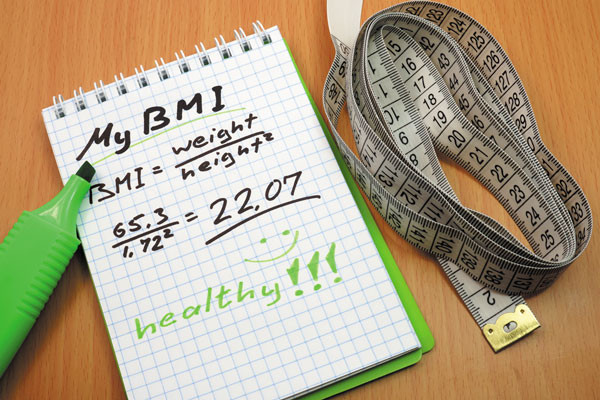
Is body mass index (BMI) still the best measure of body fat?
Body mass index (BMI) is still the best way to assess body fat for most people.
Reading the current blood pressure guidelines
Oat vs. dairy milk: Nutrition, benefits, and downsides
Microplastics: A hidden health threat?
Healing after food poisoning
What is tempeh? Benefits, nutrition, and how to use it
Light exposure at night may raise risk for heart disease
Whole grains may improve several heart risk factors at once
A lumbar belt may help ease low back pain
Children of centenarians may stay healthier and live longer too, study finds
Signs of pneumonia: Sometimes vague and unexpected
Free Healthbeat Signup
Get the latest in health news delivered to your inbox!
Sign Up
