

Reading the current blood pressure guidelines

Oat vs. dairy milk: Nutrition, benefits, and downsides

Microplastics: A hidden health threat?

Healing after food poisoning

What is tempeh? Benefits, nutrition, and how to use it

Light exposure at night may raise risk for heart disease

Whole grains may improve several heart risk factors at once

A lumbar belt may help ease low back pain

Children of centenarians may stay healthier and live longer too, study finds

Signs of pneumonia: Sometimes vague and unexpected
Safety/injury prevention Archive
Articles

Pessary and exercise relieve symptoms for women with pelvic floor prolapse
A pessary and pelvic floor exercises can improve symptoms of pelvic floor prolapse.

The top 5 benefits of cycling
Going for a ride is good for your heart and muscles, and it may improve how you walk, balance, and climb stairs.
Image: DTStockPhotos
They say you never forget how to ride a bike, so maybe it's time to climb aboard a two- or three-wheeler and enjoy the health benefits of cycling. "It's socially oriented, it's fun, and it gets you outside and exercising," says Dr. Clare Safran-Norton, a physical therapist at Harvard-affiliated Brigham and Women's Hospital.
Check out the main physical benefits.
Safety considerations
Get the okay from your doctor before you climb aboard a bike, especially if you have heart disease, arthritis, or thinning bones. "If you have osteoporosis, consider riding a tricycle, which is more stable than a two-wheeler, posing less of a fall risk," says Dr. Safran-Norton. "Don't ride a bike at all if you've had a recent fracture. Another fall could make it worse."
When riding, remember that the seat height should allow a slight bend at your knee. "You don't want a straight knee at the bottom of the pedal stroke, because the bike could be too tall and you could fall off," says Dr. Safran-Norton.
Other tips: Wear a helmet to protect your head; don't use clips to keep your feet on the pedals, which can make injuries worse if you fall; don't ride alone; stick to bike paths instead of riding in the street; stay hydrated before, during, and after your ride; and use sunscreen and sunglasses.
Tips to choose equipmentYou probably know that a helmet is a must for safety. The right type of clothes and bike will also make cycling safer and more comfortable. Cycling clothes. These have high-tech fibers that wick away moisture. They are usually neon-colored, with reflective material so you'll be visible to drivers. Bike shorts have a thick pad or chamois to prevent chafing and provide cushioning. Bikes. Look for one that puts less stress on your body, such as a beach cruiser or comfort bike. They have high-rise handlebars that enable you to sit upright, wide tires for a smooth ride, shock-absorbing seat posts, and low top tubes so you don't have to swing your leg too high to mount the bike (allow at least an inch or two of clearance between you and the tube). If mounting a bike is difficult, there are even "step through" bicycles that feature top tubes just six inches off the ground (see photo). Other bike types include tricycles, which are helpful if you are less stable on your feet, and recumbent bikes that allow you to lean back and ride. "If you have spinal stenosis, a recumbent bike puts your spine in a flexed position and gives you pain relief. But if you have a herniated disk, the bike can make the disk bulge more," says Dr. Clare Safran-Norton, a physical therapist at Harvard-affiliated Brigham and Women's Hospital. Saddle. Get one with extra padding that's wide enough to support the pair of bones you sit on. Go even further with a saddle that relieves pressure on the perineum, the area between those bones, behind the genitals. It's home to nerves and arteries that supply the lower body, and too much pressure here may cause numbness and tingling in the legs. Pressure-relieving saddles may have a "noseless" or horseshoe design. |

The perks of group fitness classes
Fellow exercisers may keep you motivated, and learning proper form can help you avoid injuries.
Image: Purestock/Thinkstock
Is your solo walking or cycling routine getting a little humdrum? Maybe it's time to try a group fitness class at your local gym or community center. Working out with others in a class led by a trained instructor may help you stick to an exercise routine, which is a vital part of keeping your heart healthy.
"We know that in a broad sense, the more fit you are, the longer you live," says Dr. Meagan Wasfy, a cardiologist at the Cardiovascular Performance Program at Harvard-affiliated Massachusetts General Hospital. Exactly how you achieve that fitness doesn't seem to matter—the main thing is making it happen. Group fitness classes, which come in a wide range of styles and intensities, may offer certain advantages toward that goal.

Fitness in midlife may fend off strokes later
People who are more physically fit in their mid-to-late 40s may be less likely to have a stroke after age 65 than those who are less fit.
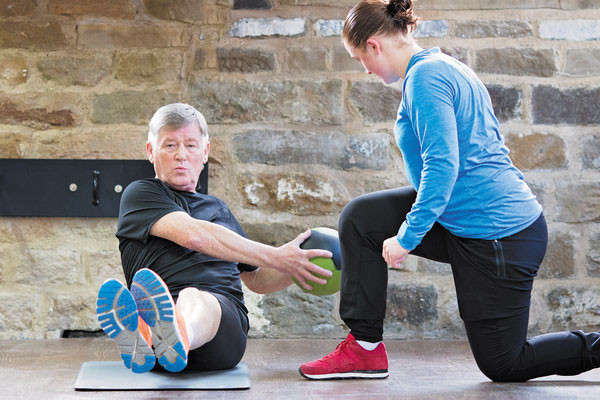
What a personal trainer can do for you
Trainers offer extra motivation to meet your fitness goals.
Image: Barryj13 /Thinkstock
You always want a good return on your investment, especially when you reach retirement age. That goes for your fitness, too. One of the best moves for a lucrative long-term payoff is to invest in a personal trainer.
"The exercises that worked when you were younger probably are not what you need now and going forward," says Vijay A. Daryanani, a certified personal trainer with Harvard-affiliated Spaulding Outpatient Center. "A personal trainer can identify your needs and formulate the proper routine as well as keep you motivated and focused, all of which can help keep you active."

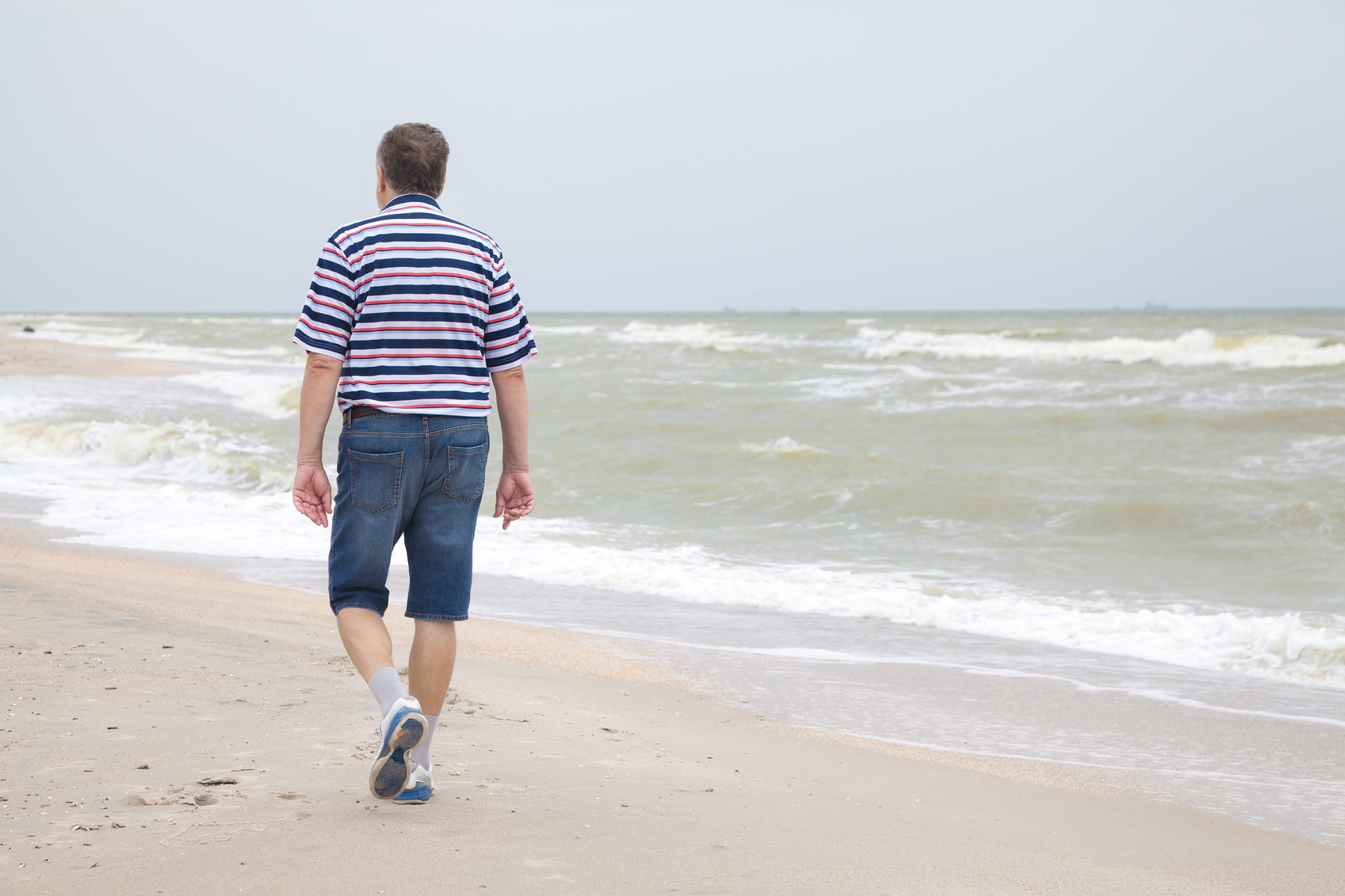
Beating osteoarthritis knee pain: Beyond special shoes
For people suffering from knee osteoarthritis, one long-standing solution to knee pain was the use of “unloading” shoes. These shoes use stiffer soles and slightly tilted insoles that help to reposition the foot and ‘unload,’ or decrease, the pain on the knee. But a new study revealed that these shoes might not be any better than good walking shoes at relieving pain from knee osteoarthritis.


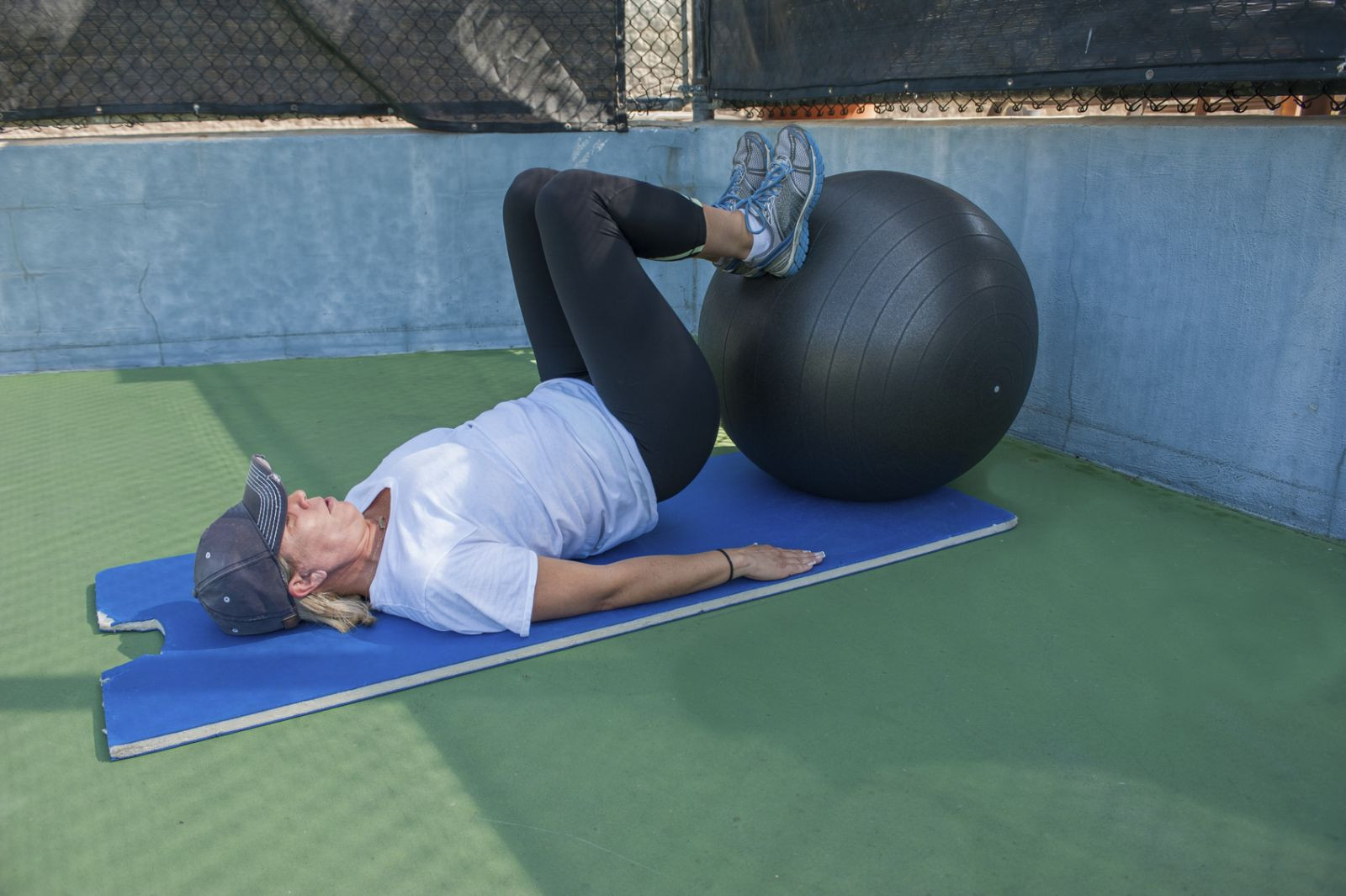
Core exercise workout: 12 tips for exercising safely and effectively
Before you start any kind of exercise regimen, think safety first. Talk to your doctor before you begin any new routine. Monitor yourself when working out to make sure you don't run into trouble and be sure you know the best way to exercise. Here are 12 tips for exercising safely and effectively.
1. Warm up. Before a full core workout, march in place for several minutes while swinging your arms, or dance to a few songs. It's safe to skip this if you've already warmed up through other activities.
Reading the current blood pressure guidelines
Oat vs. dairy milk: Nutrition, benefits, and downsides
Microplastics: A hidden health threat?
Healing after food poisoning
What is tempeh? Benefits, nutrition, and how to use it
Light exposure at night may raise risk for heart disease
Whole grains may improve several heart risk factors at once
A lumbar belt may help ease low back pain
Children of centenarians may stay healthier and live longer too, study finds
Signs of pneumonia: Sometimes vague and unexpected
Free Healthbeat Signup
Get the latest in health news delivered to your inbox!
Sign Up
