

Oat vs. dairy milk: Nutrition, benefits, and downsides

Microplastics: A hidden health threat?

Healing after food poisoning

What is tempeh? Benefits, nutrition, and how to use it

Light exposure at night may raise risk for heart disease

Whole grains may improve several heart risk factors at once

A lumbar belt may help ease low back pain

Children of centenarians may stay healthier and live longer too, study finds

Signs of pneumonia: Sometimes vague and unexpected

The surprising link between ovarian cancer and the fallopian tubes
Safety/injury prevention Archive
Articles

Full sun salutation
The basic practice yoga exercises in "Intermediate Yoga"—a special health report from Harvard Medical School—includes sun salutation. Within this three-minute routine, you'll assume multiple positions, including lunge, plank, child's pose, upward-facing dog, downward-facing dog, and forward fold. To learn additional intermediate yoga exercises, visit: www.health.harvard.edu/iy
Alternate nostril breath
Harvard Medical School's "Intermediate Yoga" health report offers one routine known as Balance Practice. Among the exercises described is "alternate-nostril breath." This deep breathing exercise takes just a minute, but it helps balance both mind and body. To learn additional intermediate yoga exercises, visit: www.health.harvard.edu/iy

Small tricks to help you shed pounds and keep them off
Weight loss can be challenging, but there are some strategies for success.
Image: © Wand_Prapan/Getty Images
If you're struggling to lose weight, you probably feel like the odds are stacked against you. You're not necessarily wrong.
"There is so much great-tasting food, and it's abundant and in your face all the time. To me it's kind of a miracle that people aren't even heavier than they are," says Dr. Meir Stampfer, a professor of epidemiology and nutrition at the Harvard T.H. Chan School of Public Health. In addition to an abundance of food, most people today also have a far more sedentary lifestyle than past generations. "Even active people who exercise a lot aren't expending the calories their ancestors did," says Dr. Stampfer.
How long should I wait after the flu before resuming exercise?
On call
Q. I have just recovered from the flu. How soon can I resume exercise again and can I go straight back to my previous routine?
A. The recommendations about when to return to exercise after respiratory infections, such as the flu, colds, or bronchitis, are vague. One major reason is that each person's response to illness is so variable. But here is my general advice.
Returning to sports and physical activity after COVID-19: What parents need to know
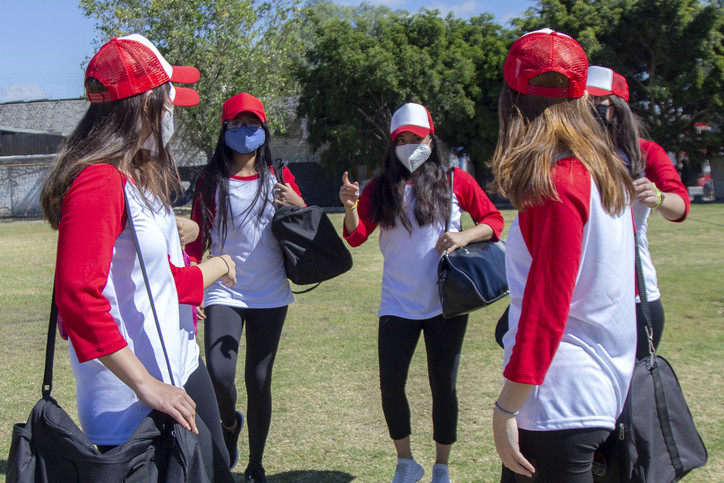
Most children and teens who have COVID-19 recover completely, but rarely there can be damage to a child’s heart muscle, and the stress of exercise on a damaged heart could lead to a serious condition. Here’s what parents need to know about recent guidance from the American Academy of Pediatrics for children returning to physical activity after COVID-19.
But I don’t feel like exercising…
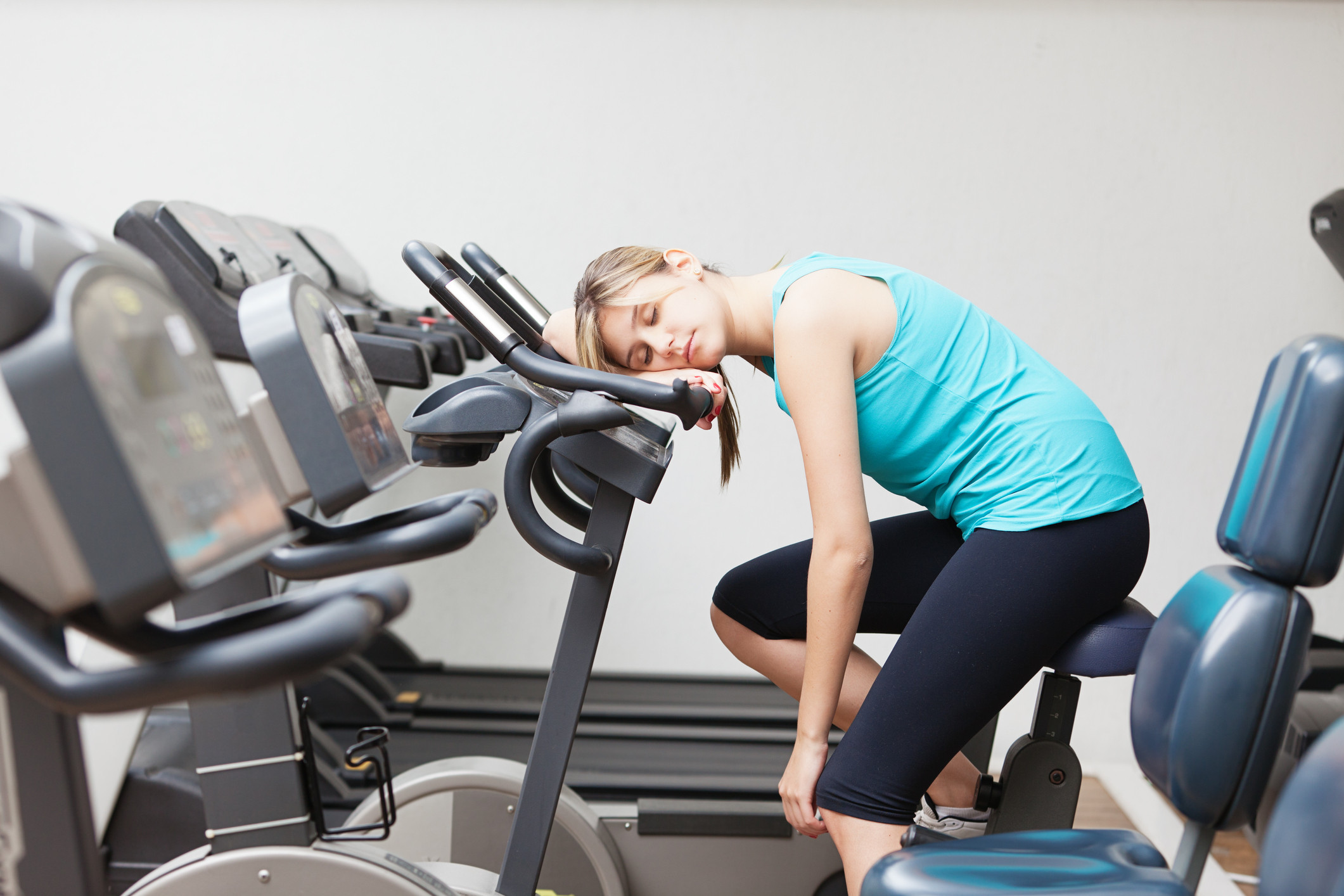
For a long time, the implicit message about fitness has been that it only counts if you are doing it with certain clothing, shoes, equipment, and facilities. This can make people feel that exercise is not for them. Expanding the idea of what counts as exercise — and making it fun — can help motivate people.


Steroid injection may be the best medicine for frozen shoulder
Research we're watching
There are a number of different approaches to treating a condition called adhesive capsulitis, better known as frozen shoulder. This common condition causes significant shoulder pain and reduced mobility. While it generally goes away on its own over time, it can take up to a year or longer to heal. But there hasn't been consensus on whether any particular therapy leads to more rapid pain relief and full range of motion.
A study published online Dec. 16, 2020, by JAMA Network Open looked at various treatment options for frozen shoulder to determine which was the most effective. Researchers analyzed 65 different studies with more than 4,000 total participants and found that the first line of therapy should be to inject a steroid directly into the joint to reduce inflammation. This treatment helped to reduce pain and led to the fastest recovery. The study authors said the steroid injection should be accompanied by a home exercise program that includes stretches and exercises to improve range of movement in the shoulder.

Resistance training by the numbers
How much weight, how many reps and sets, and how often? Here's what new guidelines suggest.
Old-fashioned resistance training — lifting heavy weights multiple times — is the best way for men to slow and even reverse age-related muscle loss, known as sarcopenia. It can also increase your strength, protect against falls, and help you live a more independent life.
Resistance training (also known as strength training) consists of doing upper- and lower-body exercises using free weights (like dumbbells, kettlebells, or barbells), weight machines, resistance bands, or just your own body weight.

Bounce back from injury
Exercise and recreational balls can play an important role in recovery and pain reduction.
A golf ball to ease foot pain? A kids' playground ball to recover from a knee injury? The combinations may sound foreign, but they're familiar approaches in the world of physical therapy. Here's how these tools of the trade (and the toy box) can help you.
A playground ball
This is the kind of inexpensive rubber or plastic ball (less than $10) you'll find at a grocery or big-box store. It's about the size of a soccer ball, but lighter. "We commonly use that type of ball for knee rehabilitation. We'll have someone do mini squats against the wall with the ball between the knees. Squeezing the ball strengthens the quadriceps muscles," explains Clare Safran-Norton, clinical supervisor of rehabilitation services at Harvard-affiliated Brigham and Women's Hospital.
Oat vs. dairy milk: Nutrition, benefits, and downsides
Microplastics: A hidden health threat?
Healing after food poisoning
What is tempeh? Benefits, nutrition, and how to use it
Light exposure at night may raise risk for heart disease
Whole grains may improve several heart risk factors at once
A lumbar belt may help ease low back pain
Children of centenarians may stay healthier and live longer too, study finds
Signs of pneumonia: Sometimes vague and unexpected
The surprising link between ovarian cancer and the fallopian tubes
Free Healthbeat Signup
Get the latest in health news delivered to your inbox!
Sign Up
