

CoQ10: Should you take this popular supplement if you're on a statin?

Oat vs. dairy milk: Nutrition, benefits, and downsides

Microplastics: A hidden health threat?

Healing after food poisoning

What is tempeh? Benefits, nutrition, and how to use it

Light exposure at night may raise risk for heart disease

Whole grains may improve several heart risk factors at once

A lumbar belt may help ease low back pain

Children of centenarians may stay healthier and live longer too, study finds

Signs of pneumonia: Sometimes vague and unexpected
Safety/injury prevention Archive
Articles


Get a lift from resistance training
National guidelines recommend at least two sessions of muscle-strengthening resistance training each week. Resistance training, also known as strength training, consists of upper- and lower-body exercises using free weights, weight machines, resistance bands, or one's own body weight. Resistance training offers an array of benefits, including increased muscle strength, improved heart health, stronger bones, better mobility, and greater brain function.

A three-pronged approach to exercise
To optimize cardiovascular health, the best strategy may be a workout that combines three types of exercise: moderate-intensity aerobic exercise, vigorous-intensity aerobic exercise, and strength training. Moderate activity burns calories and boosts metabolism, which helps control weight. Moderate-to-vigorous exercise also helps dampen the body's "fight or flight" response, which plays a role in chronic stress and anxiety. Aerobic exercise in general also helps the heart to become more efficient and blood vessels to become more flexible. Strength training makes the body more efficient at burning fat for energy and helps improve insulin sensitivity.

Is your walking up to speed?
Walking is one of the best ways for older adults to get the recommended 150 minutes of moderate-intensity aerobic exercise per week. But to ensure people get the most from their walking workouts, they need to focus on intensity. One way to do this is with target heart rate. A typical target heart rate for moderate-intensity exercise is between 65% and 75% of a person's calculated maximum heart rate. Improving walking form and doing interval workouts can help increase speed and thus intensity.

Avoiding injury when you're on grandkid duty
Spending time alone with energetic young grandchildren can be physically challenging. It puts grandparents at risk for falls and injuries. It will benefit grandparents to improve their balance and do some muscle strengthening so they can lift or carry squirmy children and also get up and down from a chair or the floor while playing with kids. If children run off while in a grandparent's care, the grandparent should be wary of obstacles in the path to catch up to them, such as footstools or toys indoors and uneven terrain outdoors.

Counting steps is good - is combining steps and heart rate better?
Monitoring daily step count can encourage people to be more active. When it comes to assessing fitness or risk for major illnesses, though, is a new measurement that combines both average steps and heart rate better?

Short-term cognitive boost from exercise may last for many hours
In a 2024 study, researchers found that the short-term brain boosts people receive after doing moderate to vigorous exercise can last 24 hours.
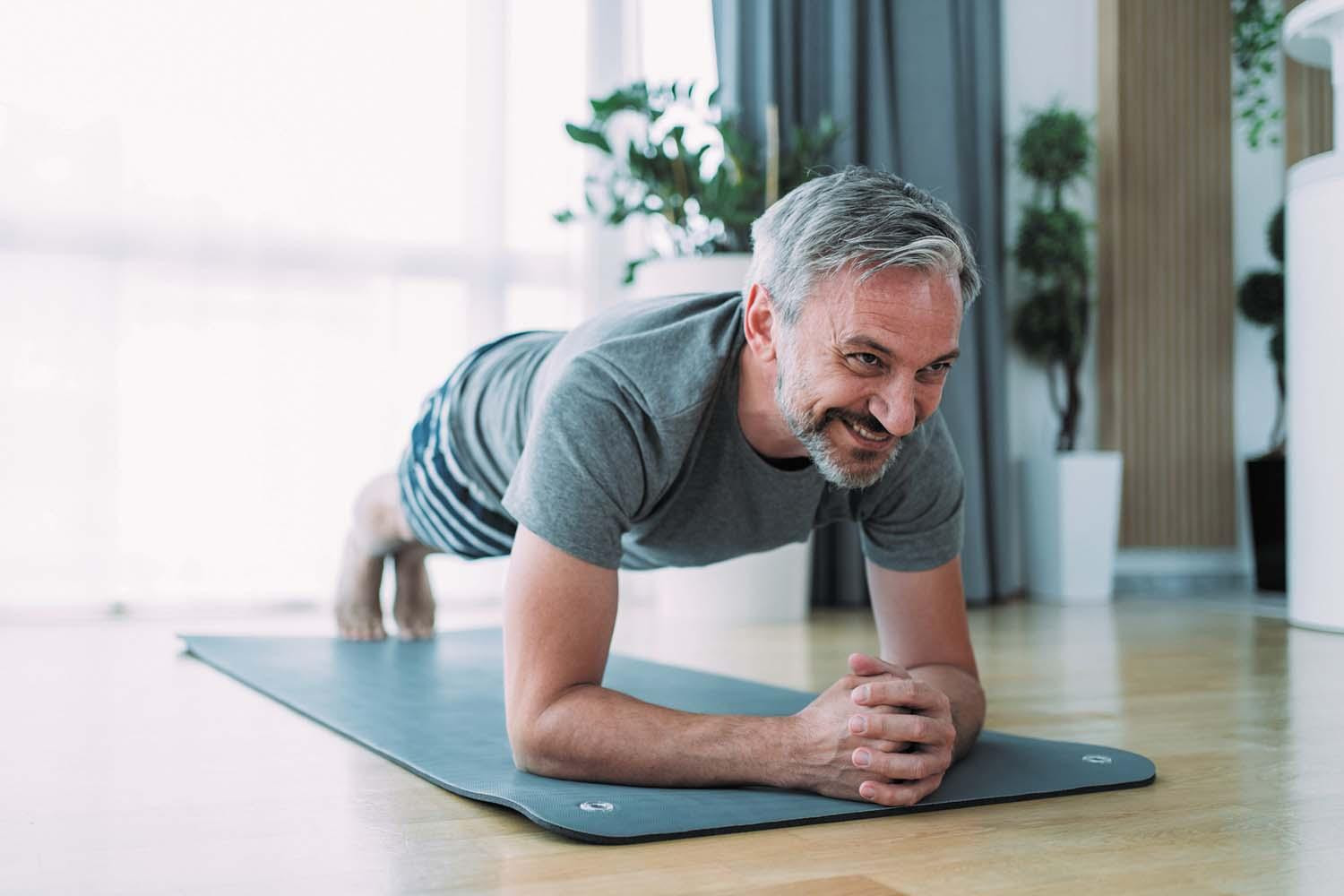
Are you headed for a fall?
People often don't realize they are at high risk for falling until after they've taken a tumble. Studies have shown that maintaining optimal core and postural strength, good balance, and flexibility in the calves and hips are the best ways to prevent falls. At-home tests can help highlight weaknesses in these three areas that can then be addressed with a personal trainer or physical therapist.

FDA adds warning to prescription hot flash medication
The FDA added a boxed warning in December 2024 to fezolinetant (Veozah), a nonhormonal drug that reduces hot flashes and night sweats in menopausal women. The drug may cause rare but serious liver injury.

Exercises that go easy on the bladder
Several strategies can help people cope when stress incontinence leads to urine leaks during exercise. For example, doing low-impact (rather than high-impact) exercise will put less stress on the pelvic floor muscles, helping to reduce leakage. Wearing absorbent "bladder leak" underwear can keep someone dry and comfortable during activity. Regularly strengthening the pelvic floor, abdominal, and hip muscles will bolster the body's ability to keep urine from leaking out of the bladder.
CoQ10: Should you take this popular supplement if you're on a statin?
Oat vs. dairy milk: Nutrition, benefits, and downsides
Microplastics: A hidden health threat?
Healing after food poisoning
What is tempeh? Benefits, nutrition, and how to use it
Light exposure at night may raise risk for heart disease
Whole grains may improve several heart risk factors at once
A lumbar belt may help ease low back pain
Children of centenarians may stay healthier and live longer too, study finds
Signs of pneumonia: Sometimes vague and unexpected
Free Healthbeat Signup
Get the latest in health news delivered to your inbox!
Sign Up
