

Estrogen-only hormone therapy tied to lower dementia risk

Should you have a hysterectomy?

Stair climbing may significantly lower cardiovascular risks

Why do I sweat so much?

Walking pneumonia: The "mild" illness that can still pack a punch

Tai chi walking: What is it and does it work?

What causes knee pain: How doctors make a diagnosis
Sacroiliac joint pain: Causes, symptoms, and exercises that help
Where you carry excess weight matters in predicting heart disease risk

Study: At-home colorectal cancer screening may significantly cut colon cancer deaths
Preventive care Archive
Articles
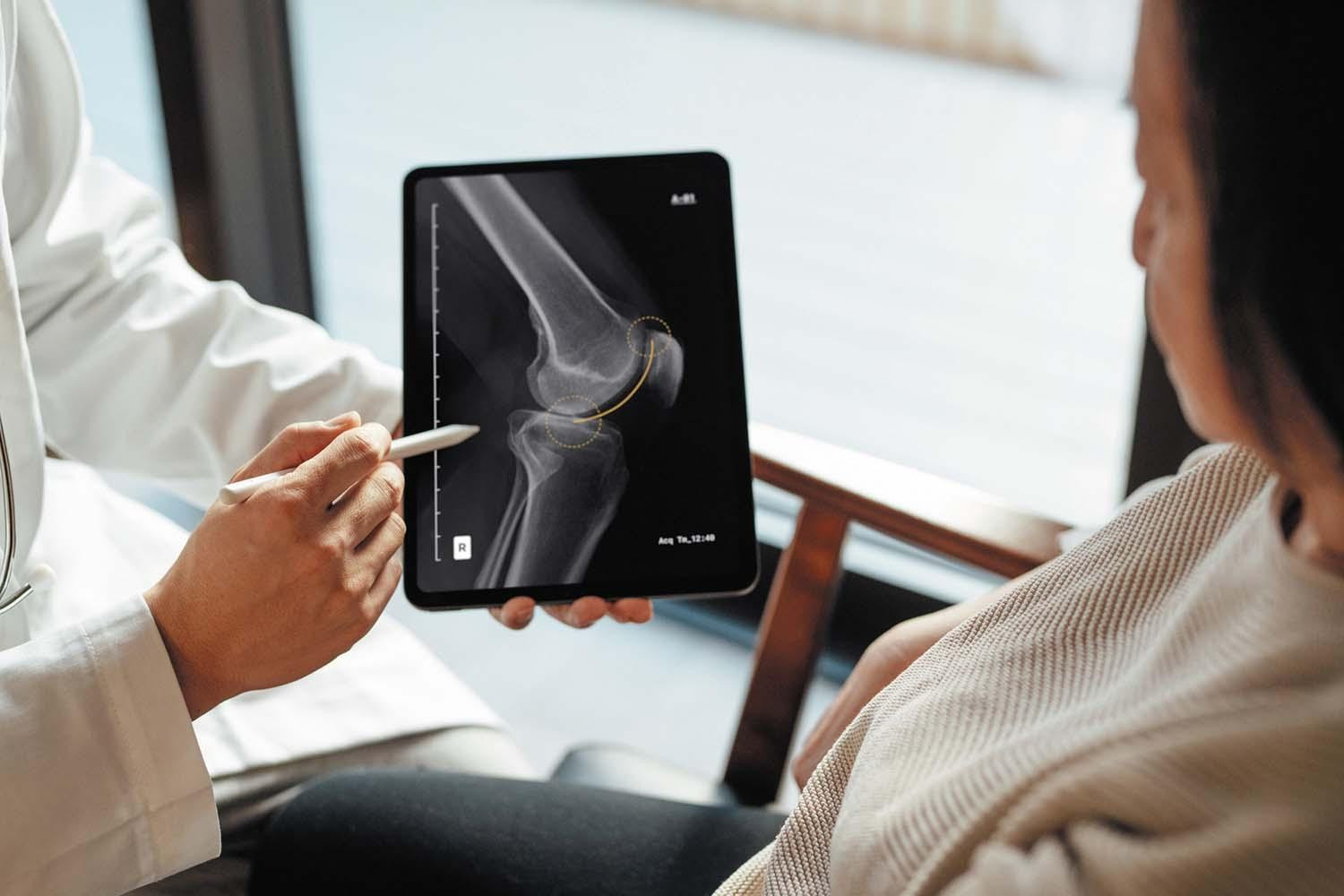
When does an injury require an x-ray?
X-rays can detect a broken bone, dislocation, or joint problem. People should seek an x-ray if an injury results in severe pain; severe or persistent swelling or bruising; difficulty moving or bearing weight; or a noticeable deformity.
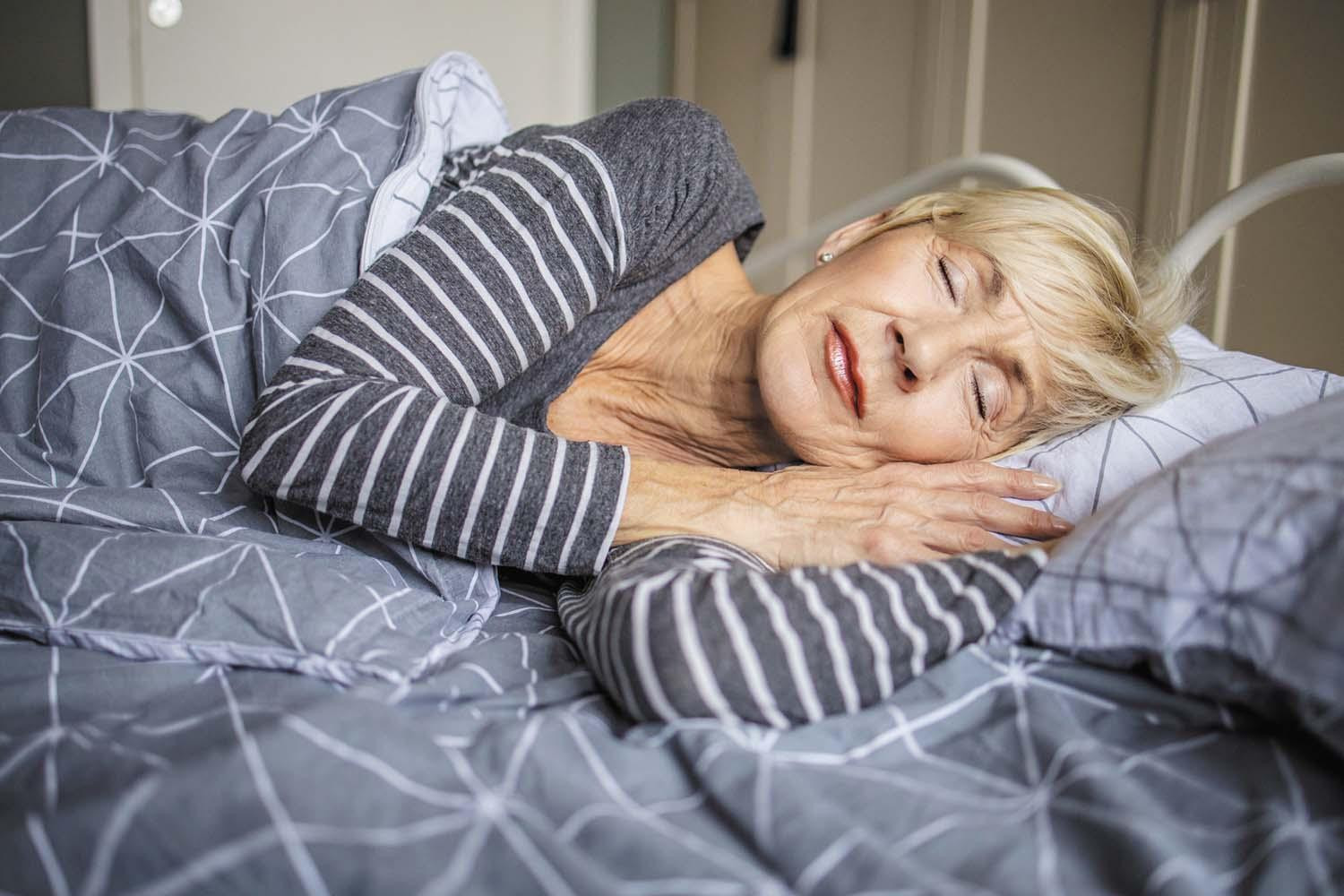
Is your sleep position helping or hurting you?
A variety of health conditions can be influenced by sleep position. Side sleeping helps people breathe easier, hampers heartburn, and is safer during pregnancy, but it may aggravate joint pain. Back sleeping keeps the spine straighter, but can intensify breathing problems, worsen heartburn, and cause other problems during pregnancy. People should talk to their doctor if they have a health condition that could be affected by the way they sleep, but otherwise can sleep in the position that is most comfortable for them.

The complicated risks of simple cold remedies
Over-the-counter cold remedies can be helpful, but they must be carefully considered before use. They contain drugs that can cause serious side effects, interact with other medications, and worsen certain health conditions. For example, decongestants can help ease a stuffy nose but also can increase blood pressure and heart rate. And cough suppressants can help someone stop coughing, but taking too much can cause dizziness, confusion, or even changes in mood or thinking.

How many servings of cruciferous vegetables should you eat to fight colon cancer?
A 2025 study that included 97,000 people found that those who ate the most cruciferous vegetables-between 20 and 40 grams per day-had a 17% lower risk of developing colon cancer, compared with people who ate the least.

Respiratory syncytial virus (RSV) tied to heart problems
A 2025 study suggests that respiratory syncytial virus (RSV) can lead to heart-related complications, such as a heart attack, chronic heart failure, or an irregular heartbeat-even in people without a previous heart condition.
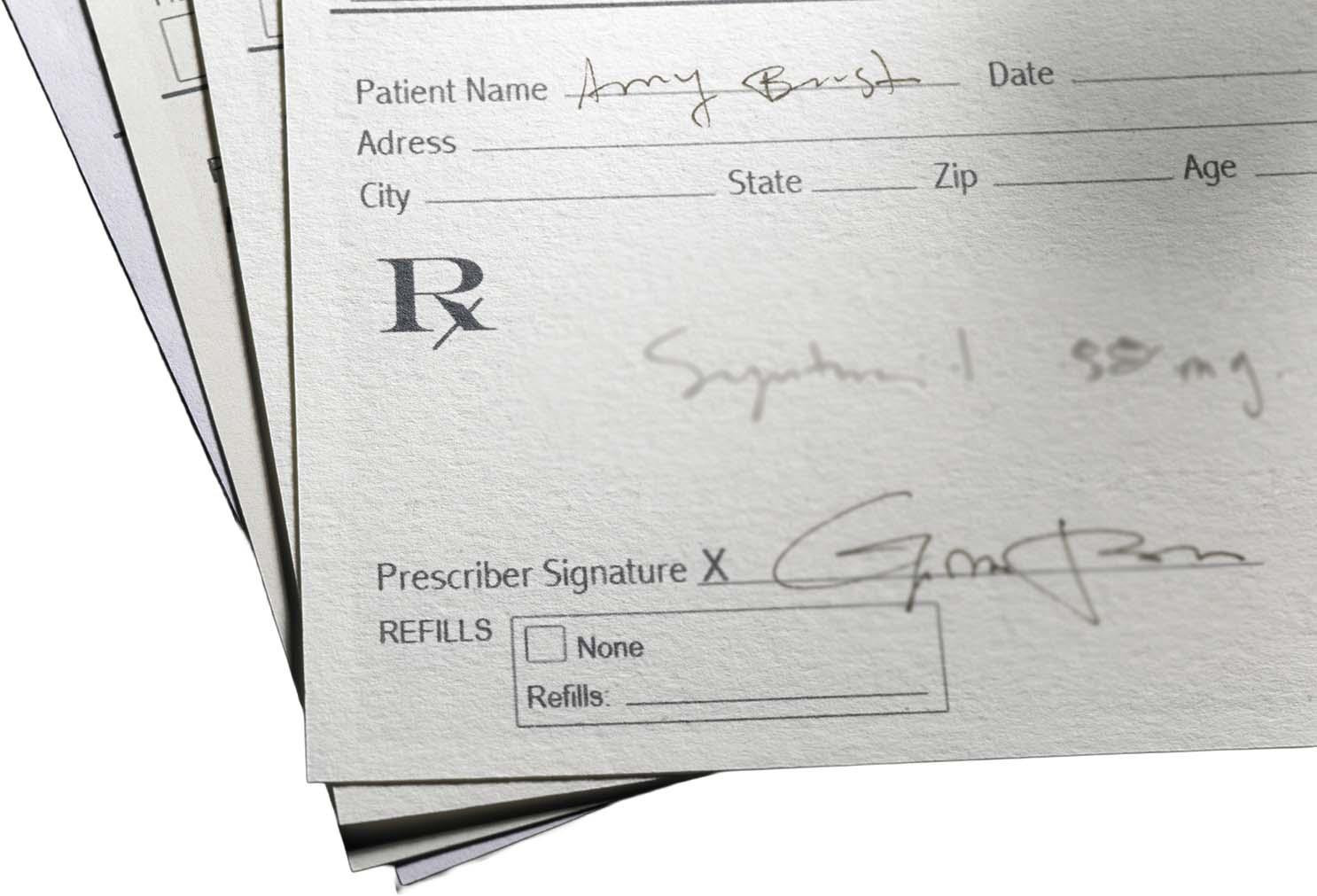
Urgent care clinics linked to unnecessary prescriptions
A 2025 study suggests that urgent care clinics frequently prescribe prescription medications inappropriately for conditions such as ear infections, bronchitis, sprains or strains, or digestive discomfort.

Can you take a break from healthy eating?
While a healthy eating plan is crucial for health, bending the rules on occasion probably won't hurt most people. One strategy to try is the 90-10 rule-eating healthy foods 90% of the time and splurging on unhealthy foods 10% of the time. For example, if someone eats three meals a day for a week, for a total of 21 meals, the person would be able to splurge on 10% (about two) of the meals. Dietitians warn that applying the 90-10 rule to every meal can lead to trouble, such as weight gain.

Improve your balance with tai chi this winter
Tai chi uses a series of gentle, flowing motions and slow, deep breathing to exercise the body and calm the mind. It's good for health in many ways, especially for balance, which improves as the body becomes more attuned to changes in movement. Tai chi can be practiced outdoors as well as indoors, which is helpful during winter months. To get started in a tai chi practice, it helps to take a class with an instructor who supervises practitioners' progress. Classes can be found at wellness centers and health clubs.
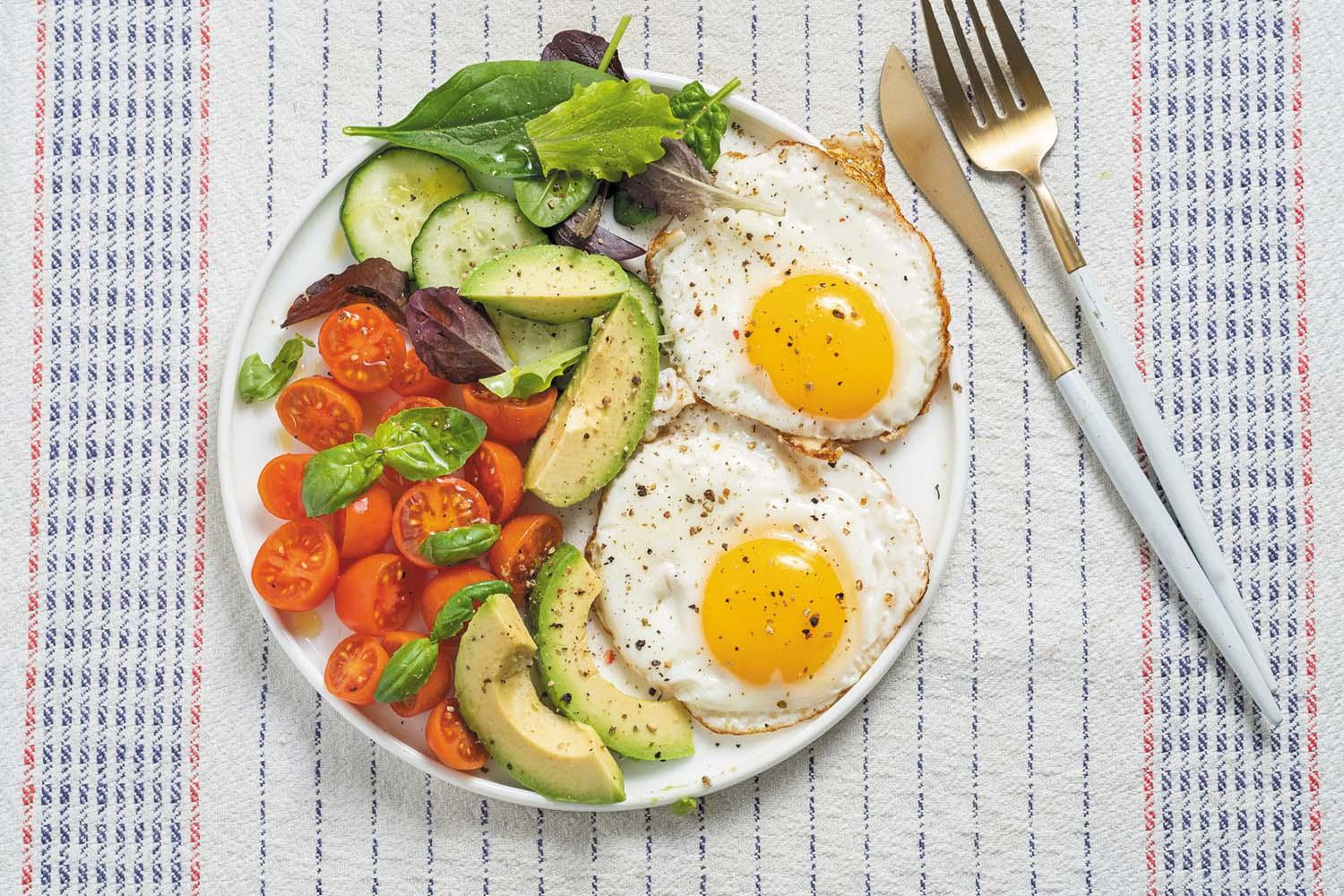
Enjoy eggs - just skip the bacon
Eating two eggs per day doesn't appear to raise harmful LDL cholesterol, as long as people follow a diet low in saturated fat. Although eggs are high in cholesterol, dietary cholesterol doesn't have much of an effect on the amount in a person's bloodstream. But excess dietary saturated fat does raise blood cholesterol, which is why people should limit their saturated fat to 7% of their daily calories.

When do I need an imaging test for my back pain?
An x-ray, CT scan, or MRI is usually not needed for addressing low back pain unless people have other symptoms or risk factors for a serious condition. Short-term rest, heat or cold, and over-the-counter medication can ease discomfort until the back pain goes away.
Estrogen-only hormone therapy tied to lower dementia risk
Should you have a hysterectomy?
Stair climbing may significantly lower cardiovascular risks
Why do I sweat so much?
Walking pneumonia: The "mild" illness that can still pack a punch
Tai chi walking: What is it and does it work?
What causes knee pain: How doctors make a diagnosis
Sacroiliac joint pain: Causes, symptoms, and exercises that help
Where you carry excess weight matters in predicting heart disease risk
Study: At-home colorectal cancer screening may significantly cut colon cancer deaths
Free Healthbeat Signup
Get the latest in health news delivered to your inbox!
Sign Up
