

Estrogen-only hormone therapy tied to lower dementia risk
Should you have a hysterectomy?

Stair climbing may significantly lower cardiovascular risks

Why do I sweat so much?

Walking pneumonia: The "mild" illness that can still pack a punch

Tai chi walking: What is it and does it work?

What causes knee pain: How doctors make a diagnosis
Sacroiliac joint pain: Causes, symptoms, and exercises that help

Where you carry excess weight matters in predicting heart disease risk
Study: At-home colorectal cancer screening may significantly cut colon cancer deaths
Preventive care Archive
Articles

Extra-virgin olive oil may be healthier than regular olive oil
A 2025 study found that a high intake of extra-virgin olive oil (EVOO) was linked to a lower risk of heart-related problems, while intake of common olive oil was not. Higher levels of beneficial polyphenols in EVOO may explain the difference.

Mind your heart for a longer, healthier life
Simple, proven strategies to live a longer, healthier life can help people become super-agers, defined as people who reach the age of 70 without any major diseases such as heart disease, cancer, or dementia. These habits include doing strength training to preserve muscle mass, eating a mostly vegetarian diet that provides many healthful nutrients, and prioritizing healthy sleep habits.
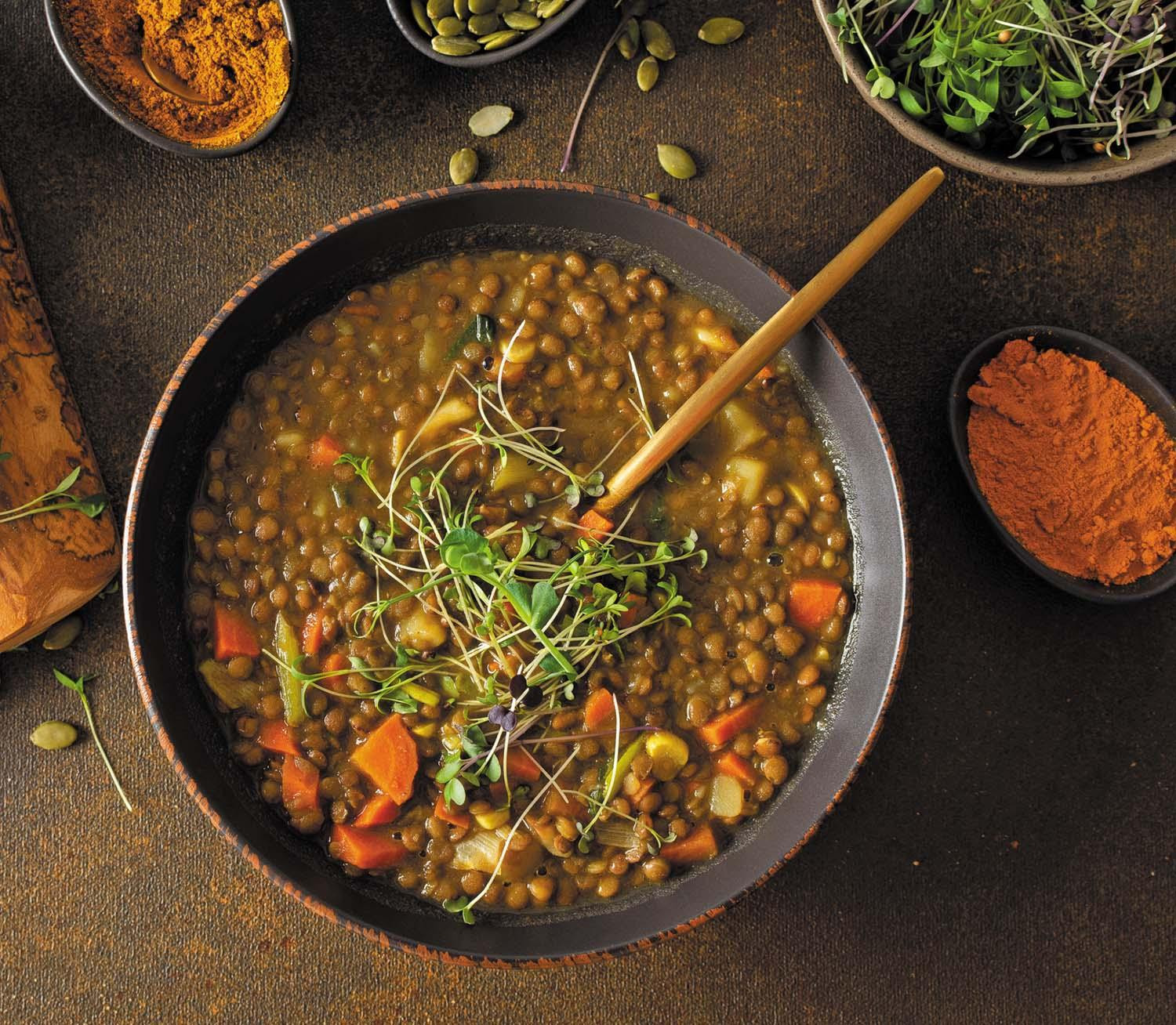
An Indian adaptation of the Mediterranean diet
An Indian-adapted Mediterranean diet includes vegetarian-focused meals flavored with an array of vibrant spices. The fiber-rich meals contain anti-inflammatory compounds that may provide heart-related health benefits. Healthy protein sources include legumes, featured in dishes such as chana masala (chickpeas in a tomato-based sauce) and dal (a soupy stew made from dried split lentils or peas). Tomatoes, eggplant, and peppers appear often in both the Mediterranean diet and the Indian-adapted version, as do leafy greens such as spinach.

For weight loss, minimally processed diets beat ultra-processed versions
A 2025 study suggested that people can lose more weight by eating minimally processed foods rather than ultra-processed versions, even those typically considered healthy.

Fast walking may lengthen your life
An October 2025 study found that at least 15 minutes of fast-walking each day was associated with longer life.
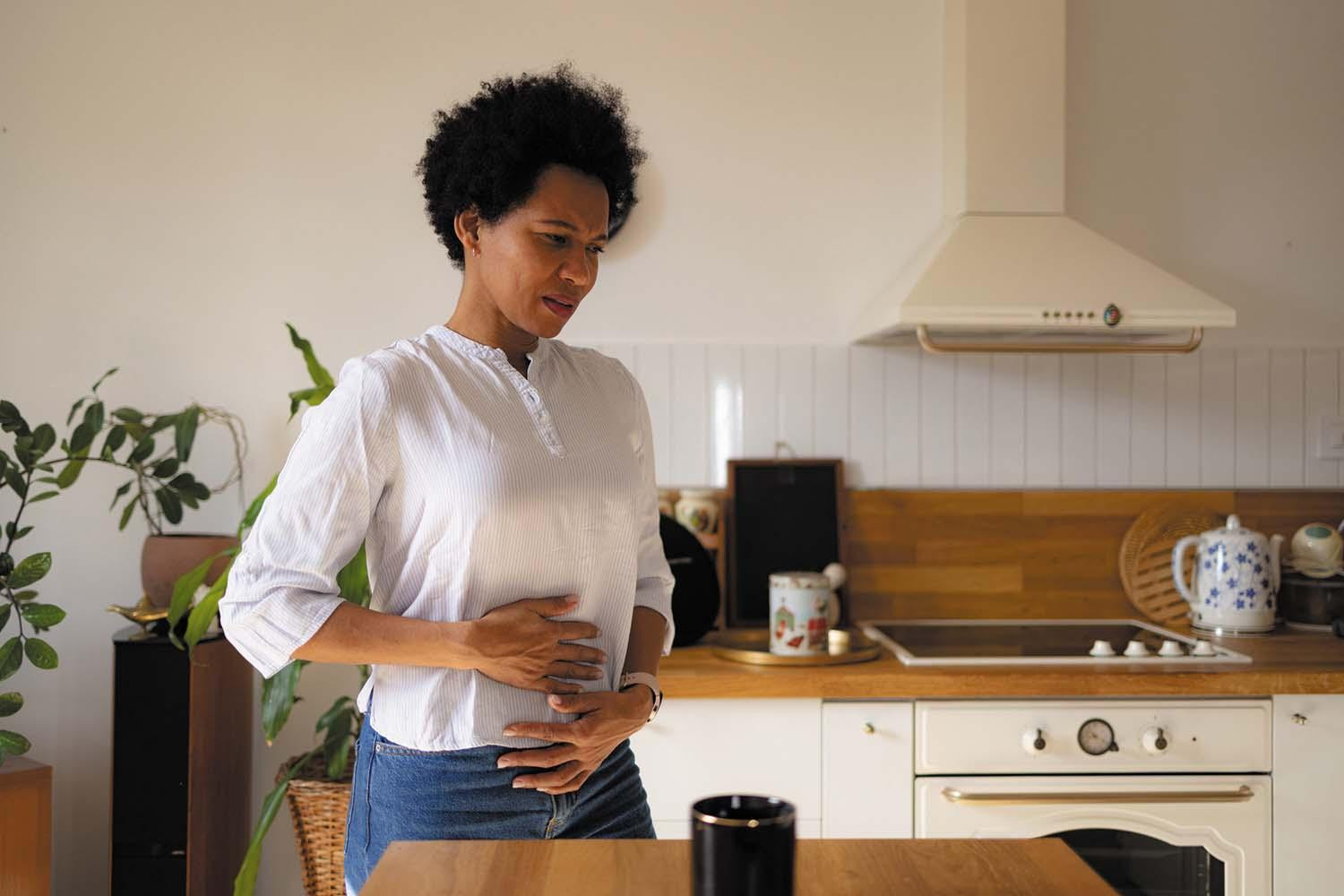
When celiac disease strikes later in life
Celiac disease is an autoimmune digestive condition triggered by gluten, a sticky protein found in grains such as wheat, barley, and rye. Celiac disease is typically diagnosed later in life, and occurs more often in women. Symptoms include intestinal distress, weight loss, rashes, fatigue, and nutrient deficiencies. Celiac patients must adopt a strictly gluten-free diet, which can be challenging after decades of eating gluten. Helpful strategies include creating gluten-free kitchen areas, buying naturally gluten-free items, and examining food labels.

How "inflammaging" shapes our health
Inflammaging is chronic, low-grade inflammation throughout the body that occurs with aging. It is believed to accelerate aging and contribute to more than half of all deaths worldwide by driving various age-related diseases such as arthritis, autoimmune conditions, heart disease, cancer, diabetes, and Alzheimer's disease. People can combat inflammaging through healthy lifestyle measures such as exercising, eating healthfully, controlling weight, managing stress, prioritizing sleep, and limiting alcohol and smoking.

Gum disease may increase the risk for stroke and cognitive decline
A 2025 study found that in brain MRI scans, people with any evidence of gum disease were more likely to have higher amounts of a marker for disease in the brain's small blood vessels, compared to people without gum disease.

Can nasal irrigation help with winter colds and congestion?
Daily nasal irrigation (also called nasal rinses) may reduce symptom severity and the duration of a cold. It can also relieve the congestion caused by sinus infections and allergies. It is unclear whether it can prevent colds. By means of a squeeze bottle, neti pot, or battery-powered system, saline (salt water) is inserted into one nostril and flows out the other. It's important to always use sterile water, meaning distilled or cooled boiled water. The rinse helps wash away mucus and some inflammatory chemicals, reducing the swelling that's responsible for congestion.

How to feed your gut
The gut microbiota contains trillions of microbes, including both good and bad bacteria. Good bacteria help digest food and absorb nutrients, regulate appetite, synthesize vitamins, and support the immune system. When the gut microbiota becomes unbalanced because of an increasing number of bad bacteria, problems can arise. Keeping the gut balanced and healthy involves eating more probiotics (foods containing good bacteria) and prebiotics (foods that help existing good bacteria grow).
Estrogen-only hormone therapy tied to lower dementia risk
Should you have a hysterectomy?
Stair climbing may significantly lower cardiovascular risks
Why do I sweat so much?
Walking pneumonia: The "mild" illness that can still pack a punch
Tai chi walking: What is it and does it work?
What causes knee pain: How doctors make a diagnosis
Sacroiliac joint pain: Causes, symptoms, and exercises that help
Where you carry excess weight matters in predicting heart disease risk
Study: At-home colorectal cancer screening may significantly cut colon cancer deaths
Free Healthbeat Signup
Get the latest in health news delivered to your inbox!
Sign Up
