

Estrogen-only hormone therapy tied to lower dementia risk
Should you have a hysterectomy?

Stair climbing may significantly lower cardiovascular risks
Why do I sweat so much?

Walking pneumonia: The "mild" illness that can still pack a punch

Tai chi walking: What is it and does it work?

What causes knee pain: How doctors make a diagnosis
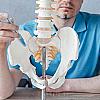
Sacroiliac joint pain: Causes, symptoms, and exercises that help
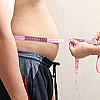
Where you carry excess weight matters in predicting heart disease risk
Study: At-home colorectal cancer screening may significantly cut colon cancer deaths
Preventive care Archive
Articles
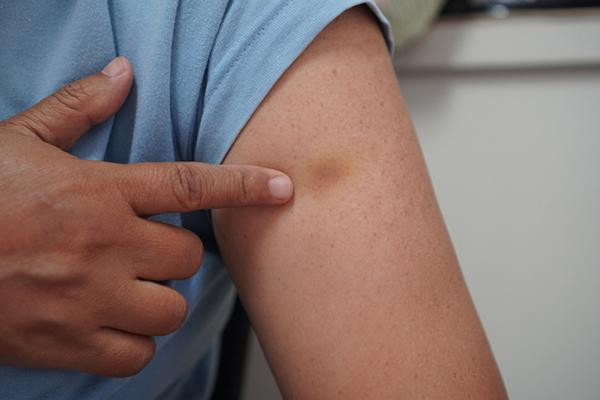
Why do I bruise so easily?
As we get older, noticeable bruises are usually related to thinning skin and increasing fragility of the tiny blood vessels in the outer layer of skin. There is not much people can do about this, but they should see their doctors if bruising is excessive or becomes painful.
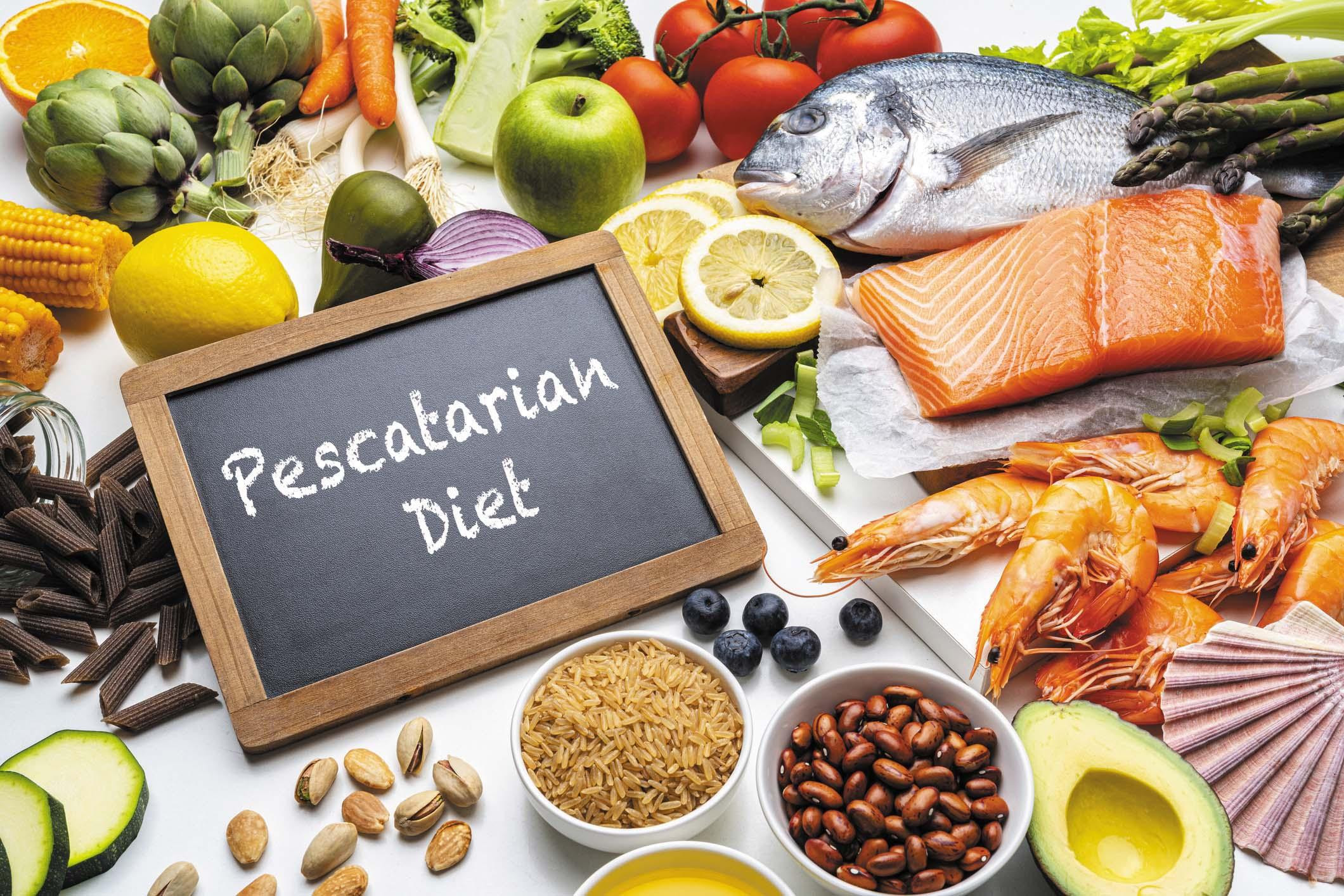
Go fish for a healthy heart
A pescatarian diet pairs plant-based eating with fish and shellfish, offering key nutrients and heart- and brain-protective omega-3s. Choosing smaller, sustainably caught seafood helps limit environmental impact and mercury exposure.
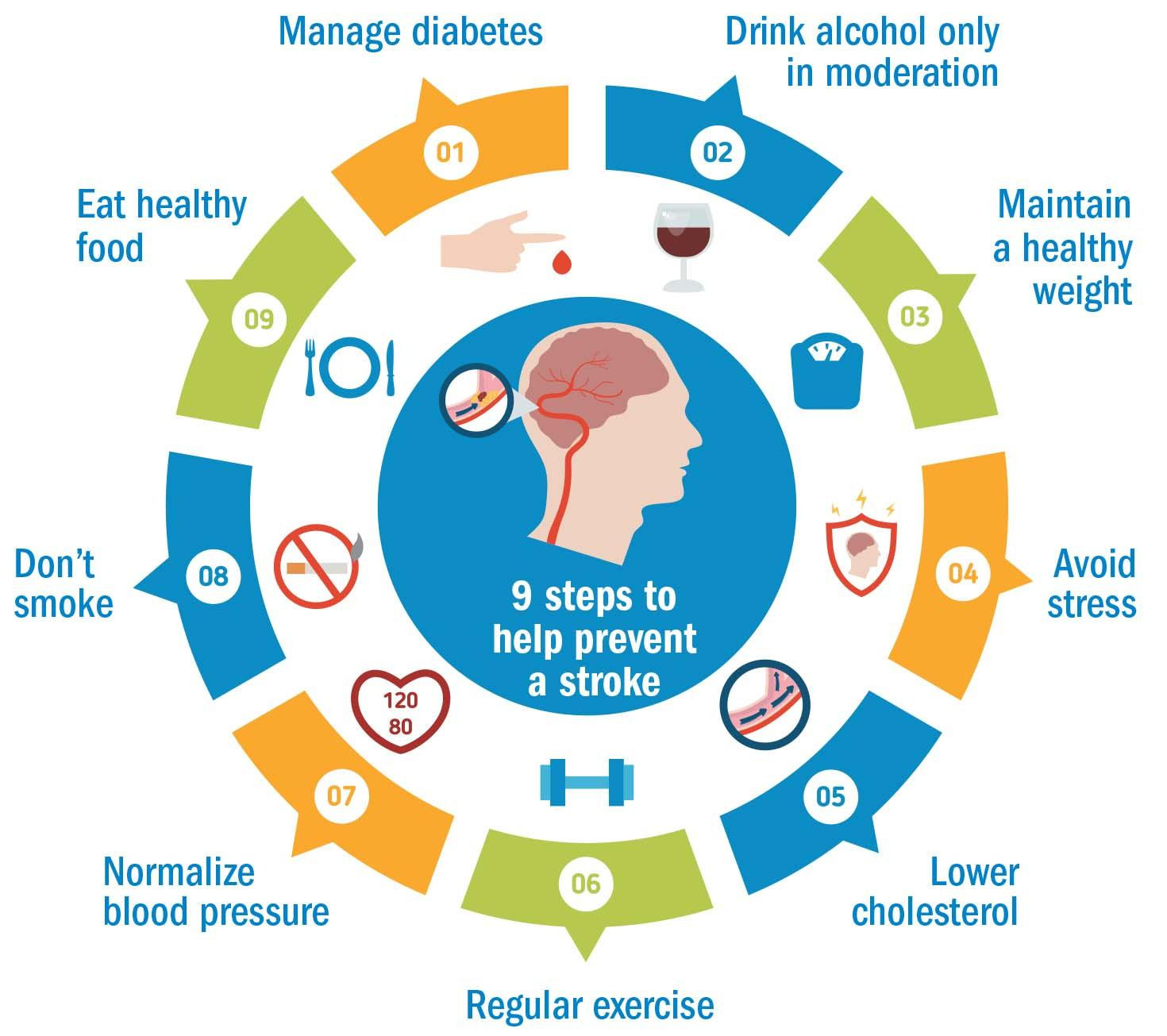
Reducing your stroke risk after a ministroke
A transient ischemic attack (TIA), or ministroke, is a serious warning sign for future stroke, especially in the first 48 hours. Medications plus lifestyle changes-healthy eating, regular exercise, and blood pressure control-can significantly lower that risk.

Safe and effective high-intensity interval training
High-intensity interval training alternates short bursts of hard effort with recovery, boosting aerobic fitness, heart health, and muscle in less time. For older adults, adjusting intensity to current fitness levels helps keep HIIT safe and effective.
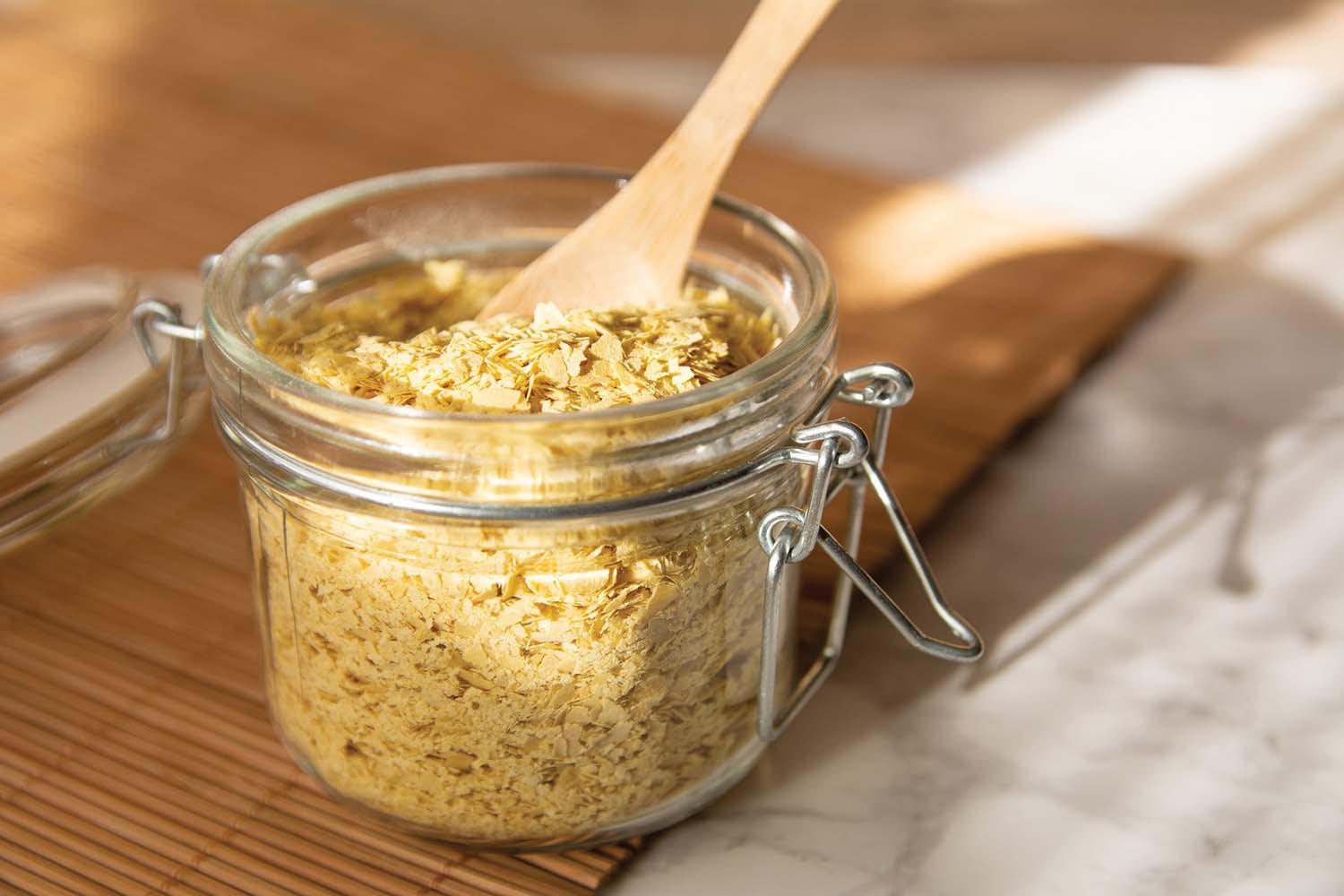
Caution: Sprinkle this savory seasoning with care
Nutritional yeast is a savory condiment that's often heavily fortified with vitamins. Because high doses may cause side effects, interact with some medications, or cause certain health problems, it's best used sparingly as a flavoring, not as a supplement.
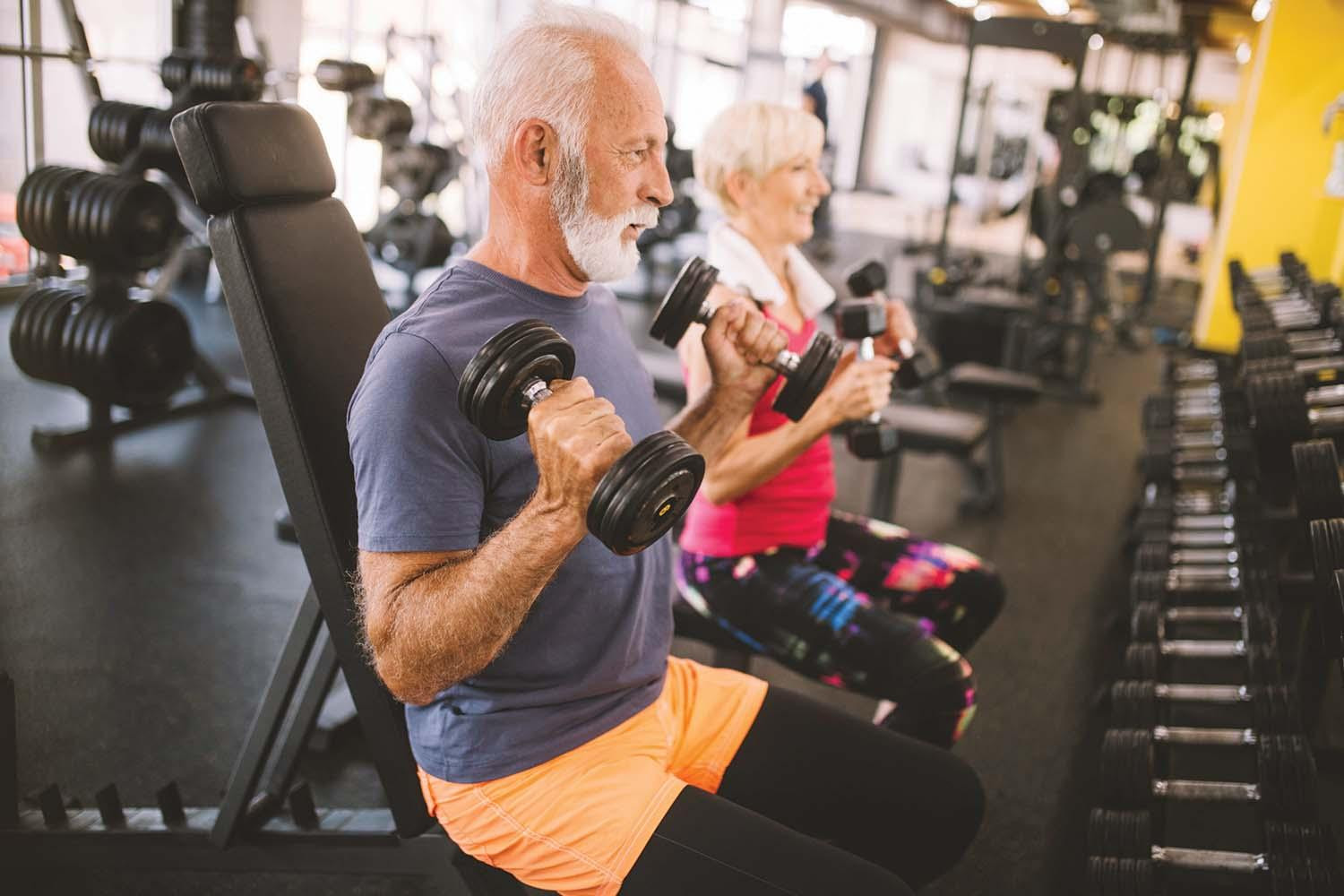
Can you increase your metabolism?
Metabolism-how your body turns food into energy-is strongly influenced by genes, but lifestyle still matters. Choosing nourishing foods, avoiding extreme diets, and building muscle through regular exercise can modestly boost calorie burning and support weight loss.
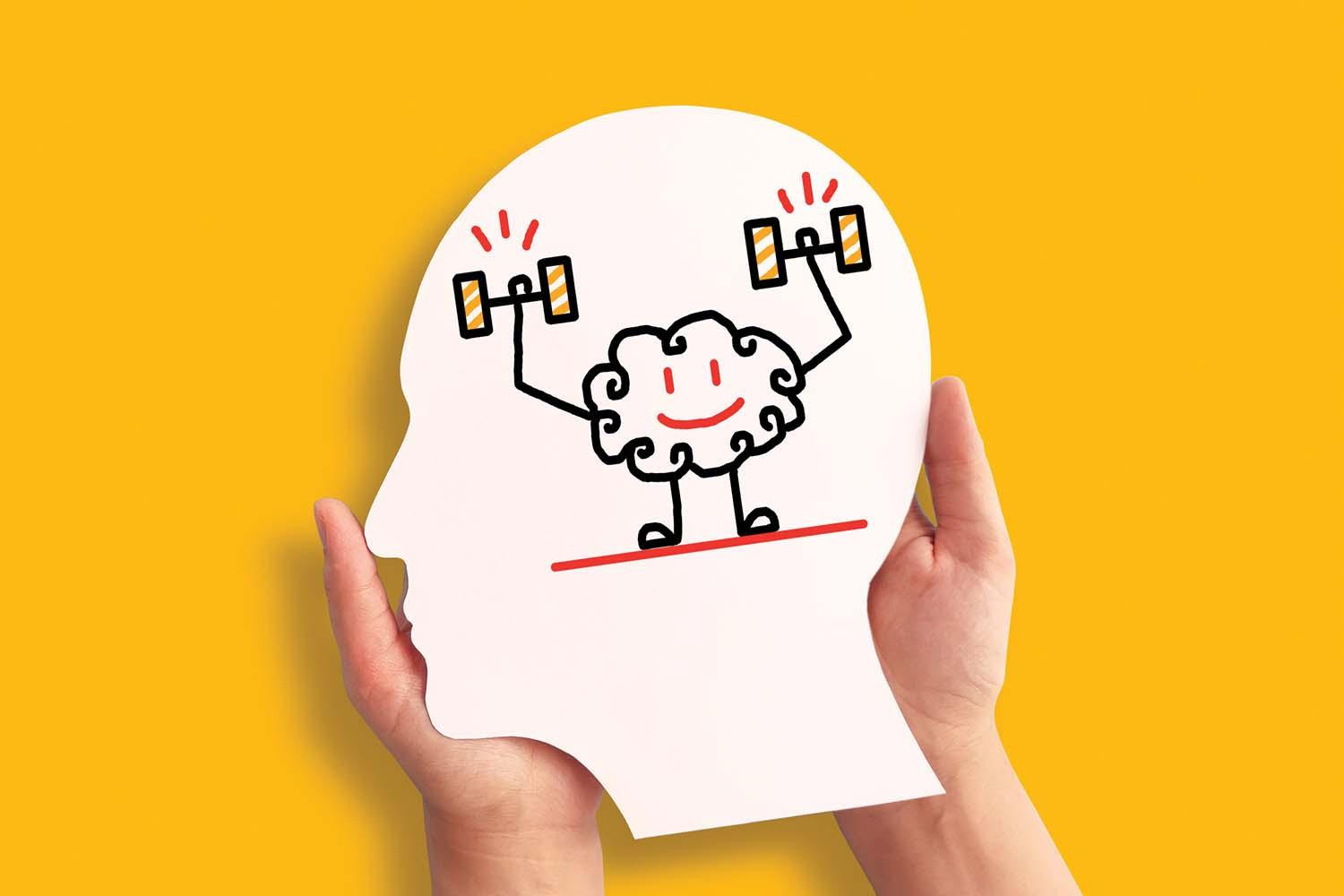
Boost your cognitive fitness in the new year
The new year is a good time to focus on cognitive fitness. Exercise, healthy eating, mental challenges, good sleep, controlling stress, and social engagement support neuroplasticity and help keep thinking and memory sharp.
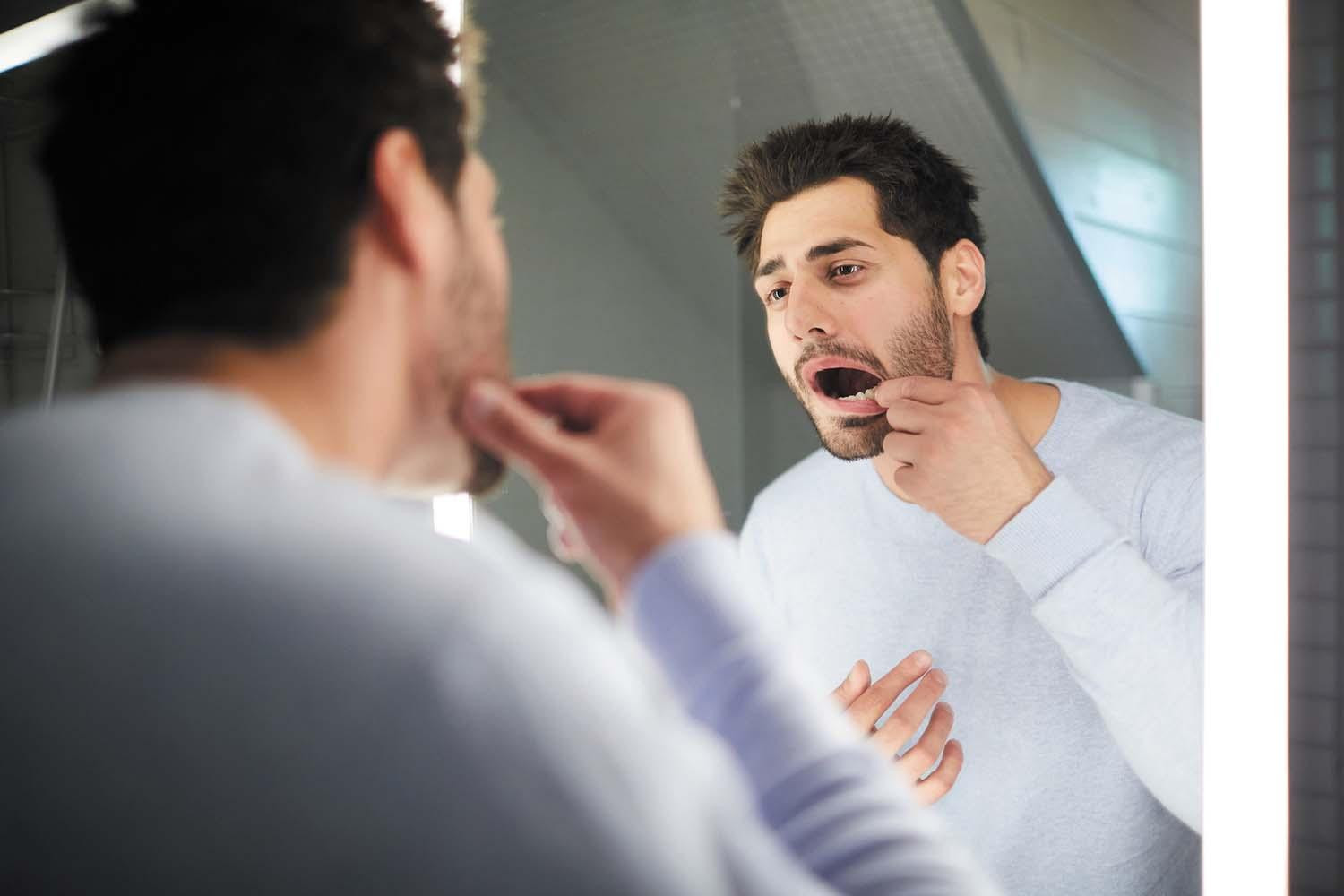
Can you reverse and prevent early gum disease?
Gingivitis occurs when sticky plaque and hard tartar form at and below the gums. Brushing and flossing teeth, plus getting regular cleanings at the dentist's office, can help reverse and prevent gingivitis.
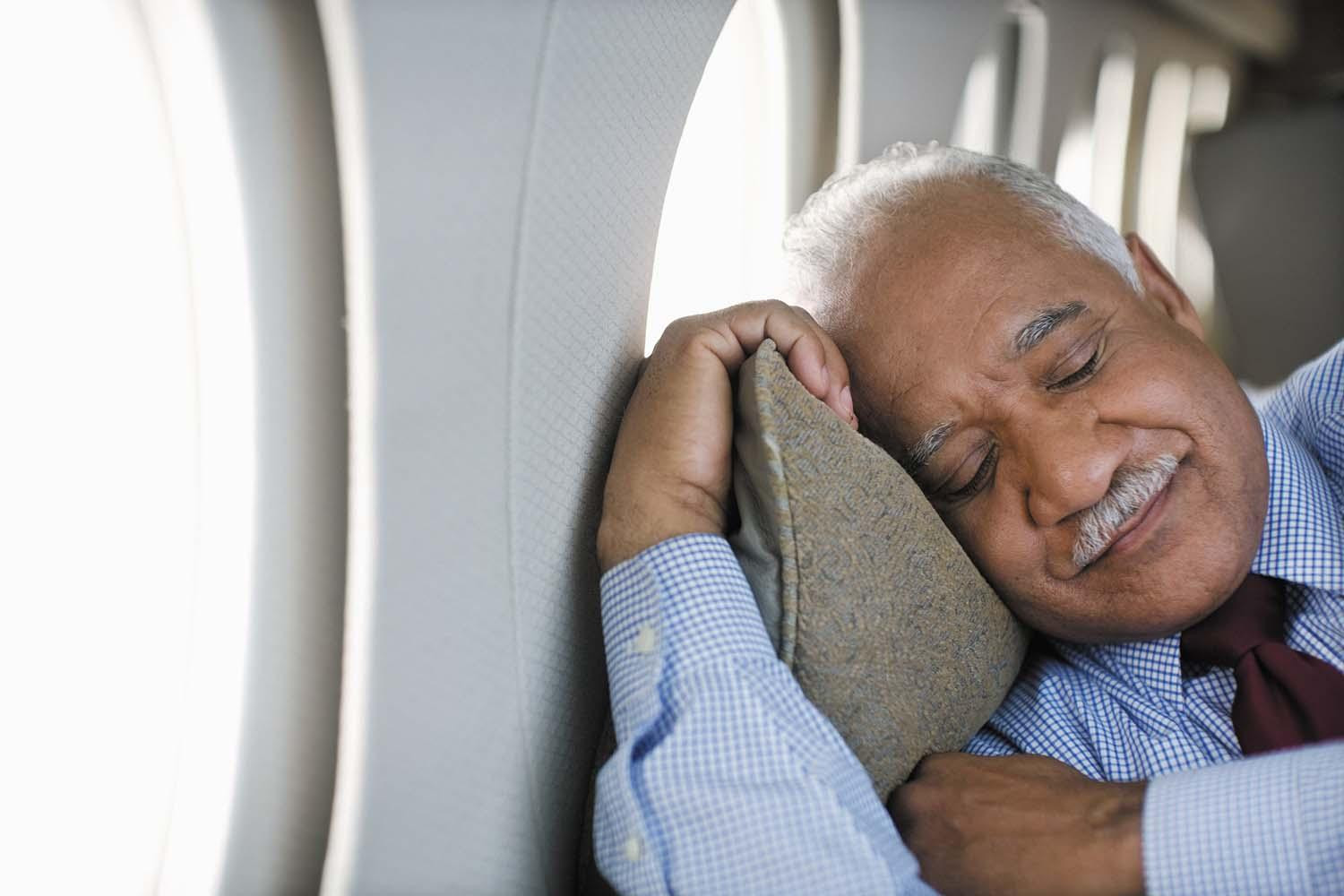
Tips to master the power nap
A power nap lasts anywhere from 10 to 30 minutes. The shut-eye can effectively increase alertness and focus, enhance mood, reduce fatigue, and possibly support work performance.
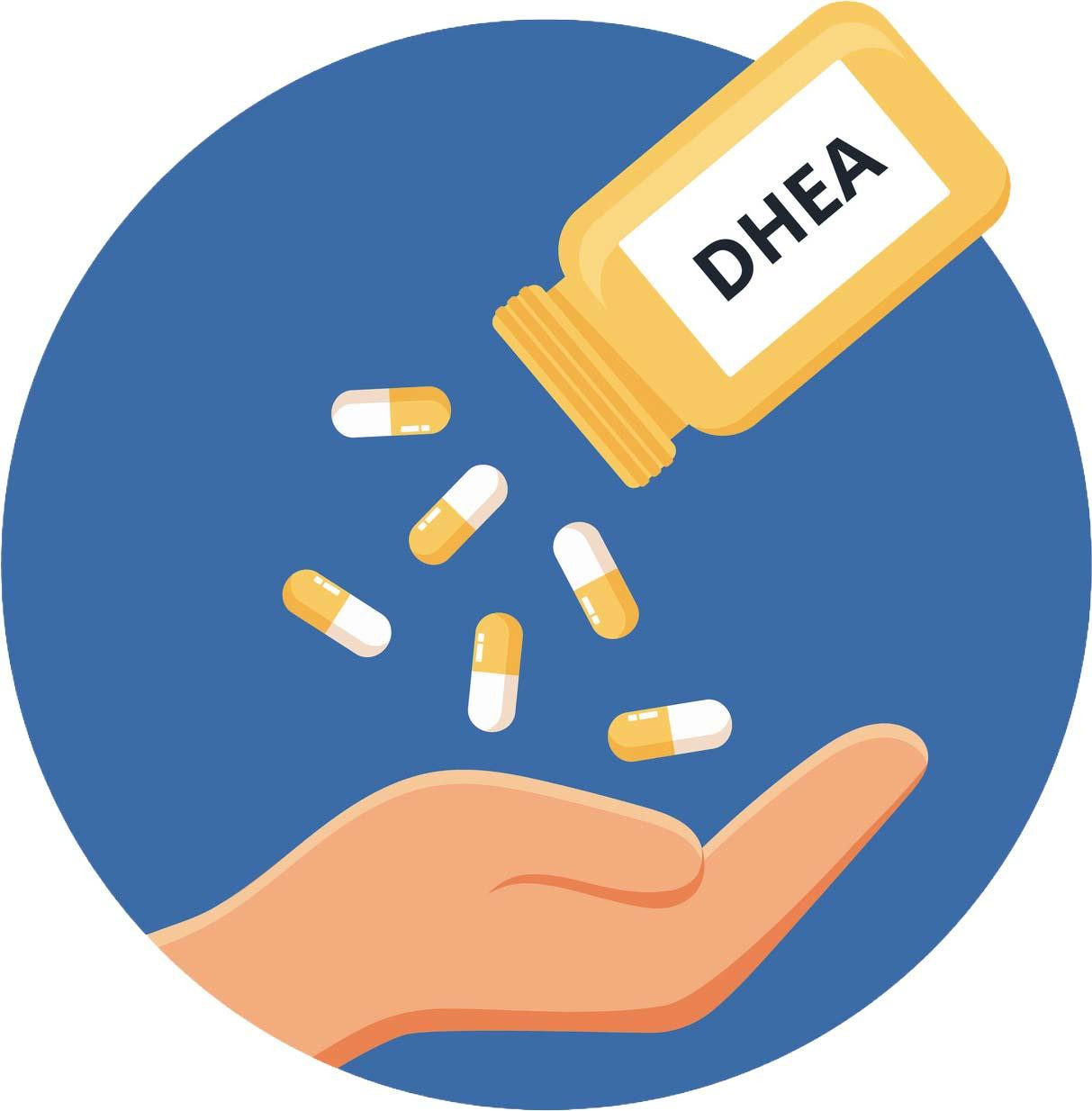
These hormone supplements are popular - but are they safe?
Synthetic dehydroepiandrosterone (DHEA) is available in various forms, including tablets, capsules, powders, creams, and gels. The supplement is marketed for "fountain of youth" effects, but evidence about its actual effects is mixed.
Estrogen-only hormone therapy tied to lower dementia risk
Should you have a hysterectomy?
Stair climbing may significantly lower cardiovascular risks
Why do I sweat so much?
Walking pneumonia: The "mild" illness that can still pack a punch
Tai chi walking: What is it and does it work?
What causes knee pain: How doctors make a diagnosis
Sacroiliac joint pain: Causes, symptoms, and exercises that help
Where you carry excess weight matters in predicting heart disease risk
Study: At-home colorectal cancer screening may significantly cut colon cancer deaths
Free Healthbeat Signup
Get the latest in health news delivered to your inbox!
Sign Up
