
Estrogen-only hormone therapy tied to lower dementia risk
Should you have a hysterectomy?

Stair climbing may significantly lower cardiovascular risks

Why do I sweat so much?
Walking pneumonia: The "mild" illness that can still pack a punch
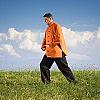
Tai chi walking: What is it and does it work?
What causes knee pain: How doctors make a diagnosis
Sacroiliac joint pain: Causes, symptoms, and exercises that help
Where you carry excess weight matters in predicting heart disease risk
Study: At-home colorectal cancer screening may significantly cut colon cancer deaths
Preventive care Archive
Articles

Walking, cycling, and swimming are best exercises for knee osteoarthritis
An analysis of 217 trials found that lower-impact aerobic exercise (walking, cycling, and swimming) is most effective for easing knee osteoarthritis pain and improving function. Other exercise types, such as flexibility, mind-body, neuromotor, and strengthening, also offer benefits.
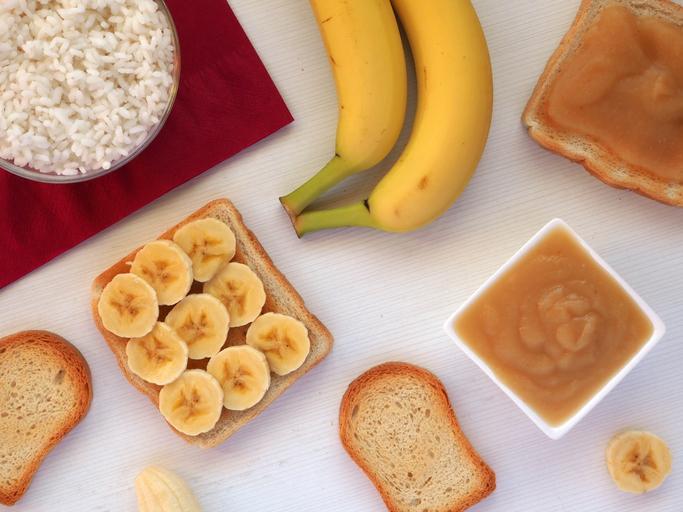
Is the BRAT diet the best choice for an upset stomach?
The BRAT diet - which stands for bananas, rice, applesauce, and toast - has long been recommended for people coping with diarrhea and vomiting. But adding oatmeal, cooked carrots, skinless chicken, and other bland foods is fine and provides nutrients needed to help people recover. People who have an upset stomach should avoid alcohol, caffeine, dairy products, sugary foods, and foods that are deep-fried, acidic, spicy, or high in fiber. They should also be sure to stay hydrated by drinking water, broth, diluted fruit juice, or weak, decaffeinated tea.
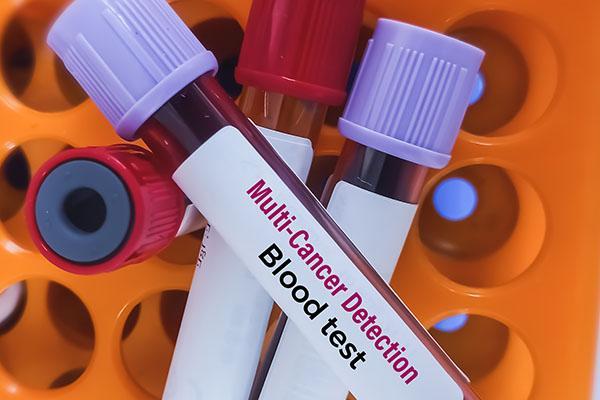
A blood test that checks for dozens of different cancers?
Multi-cancer early detection (MCED) tests offer the potential to detect up to 50 types of cancer from a single blood draw. Most cancer deaths stem from cancers for which there is no screening test. MCED tests may find evidence of less common but more lethal types like ovarian and pancreatic cancer. But before considering one of these tests (which can be requested online), people should understand the limitations, including the high cost and possibility of false positive results.
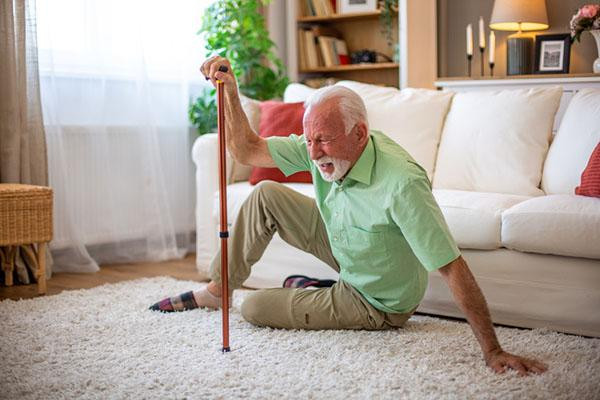
4 types of medication that may increase your chance of falling
Four classes of drugs commonly prescribed to older adults-opioids, benzodiazepines, gabapentinoids, and antidepressants-may be driving the dramatic rise in deadly falls over the past three decades. Known as fall risk-increasing drugs (FRIDs), these drug classes affect brain function and can make people feel sleepy, dizzy, or confused-all of which can leave them vulnerable to falling. People currently taking these drugs shouldn't stop taking them abruptly, as doing so may cause withdrawal symptoms. People should ask their primary care clinician to review all their medications at least once a year.

Is an apoB test a better way to check your cholesterol?
An apolipoprotein B (apoB) test counts the number of LDL particles in the bloodstream as well as other particles that can contribute to clogged arteries and heart attacks. All of these so-called atherogenic particles carry a single apoB molecule but varying amounts of cholesterol. ApoB values are more closely linked to heart disease risk than LDL cholesterol. People with signs of an unhealthy metabolism-such as prediabetes, a big belly, or elevated triglycerides-are far more likely to have a high apoB.
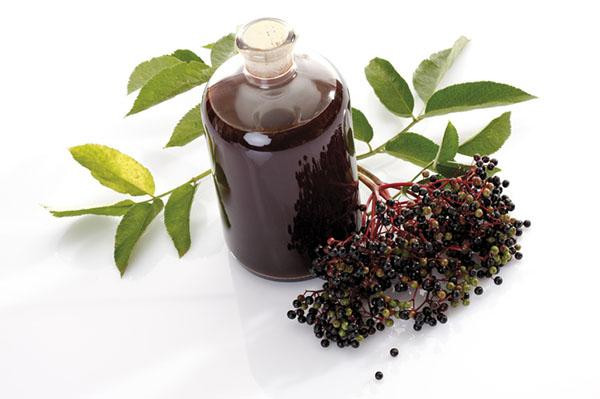
What are the health benefits of elderberry?
Elderberry syrup or tea may help reduce the duration and severity of cold and flu symptoms. But the evidence for these benefits is uncertain, since the studies are small and most did not compare elderberry to standard treatments. Claims that elderberry products can prevent viral infections or boost immunity are unproven. Elderberry supplements appear to be relatively safe; in clinical trials, effects such as nausea, vomiting, or diarrhea were mild and rare.
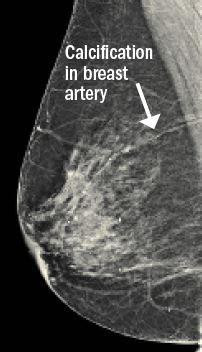
Machine learning used on mammograms may help predict heart disease
A type of artificial intelligence that uses a deep machine learning tool to analyze different features from routine mammograms can predict a woman's risk of heart-related problems, according to a 2025 analysis.
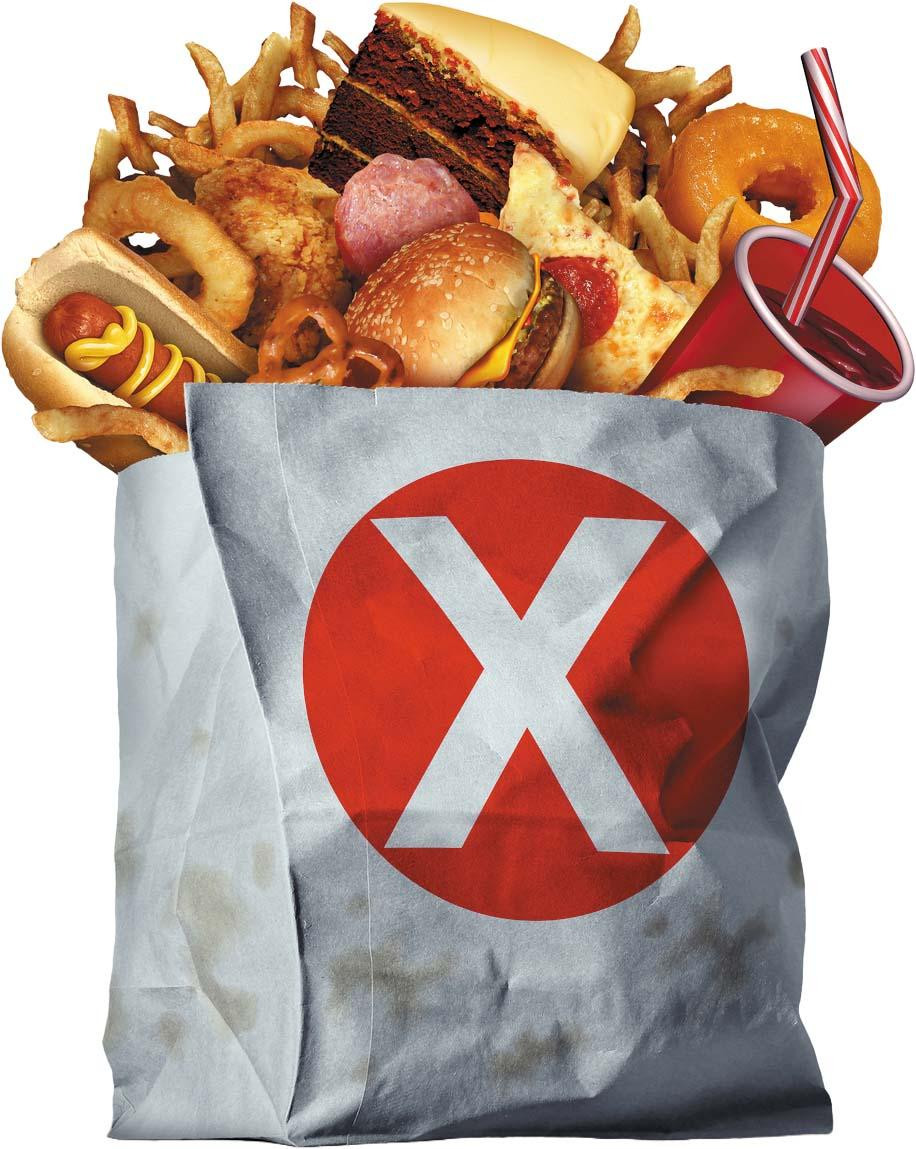
Ultra-processed foods linked to plaque buildup in neck arteries
A diet high in ultra-processed foods is linked to higher burden of fatty plaque in the carotid arteries, according to a 2025 study.

How the body's internal clocks influence heart health
Circadian rhythms, which are hardwired into nearly every cell of the body, regulate the heart and blood vessels. Disruptions to this rhythm-from shift work, poor sleep, or unhealthy habits-can raise the risk of cardiovascular disease. For example, heart attacks are more likely to occur on Mondays than any other day of the week. That's because people tend to stay up later than usual and then sleep in the next day. On Monday morning, when they have to wake up early again for work, the change may cause subtle changes in blood pressure, hormone secretion, and metabolism that raise heart attack risk.

Intensive care patients are at high risk for falls and injuries when they return home
People who are hospitalized and stay in an intensive care unit have a high risk for home falls and injuries after being discharged, according to a 2025 study. Implementing physical therapy and increasing patient awareness about medication side effects may help.
Estrogen-only hormone therapy tied to lower dementia risk
Should you have a hysterectomy?
Stair climbing may significantly lower cardiovascular risks
Why do I sweat so much?
Walking pneumonia: The "mild" illness that can still pack a punch
Tai chi walking: What is it and does it work?
What causes knee pain: How doctors make a diagnosis
Sacroiliac joint pain: Causes, symptoms, and exercises that help
Where you carry excess weight matters in predicting heart disease risk
Study: At-home colorectal cancer screening may significantly cut colon cancer deaths
Free Healthbeat Signup
Get the latest in health news delivered to your inbox!
Sign Up
