A blood test that checks for dozens of different cancers?
Multi-cancer early detection tests hold the promise of better outcomes, but it's important to understand their current limitations.
- Reviewed by Elizabeth O'Donnell, MD, Contributor
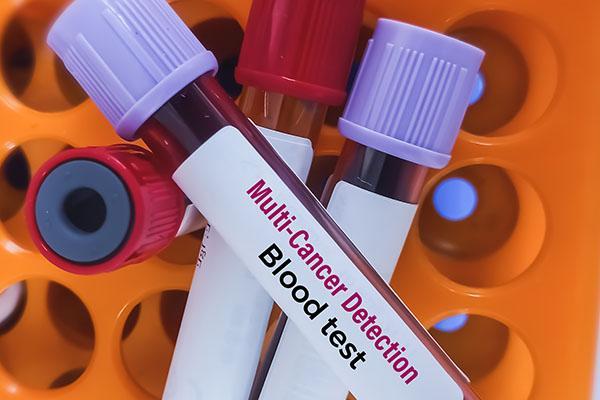
Catching cancer early, long before any symptoms appear, increases the odds of successful treatment. It's why doctors recommend cancer screening tests that detect colon, breast, cervical, or lung cancer. In recent years, another option has emerged: blood tests that screen for many types of cancer. Known as multi-cancer early detection (MCED) tests, they offer the potential to detect up to 50 types of cancer from a single blood draw. But before you take one, make sure you understand exactly what these blood tests can and can't detect.
"Over the past 20 years, we've seen a revolution in new cancer therapies. Now, we're at the start of another revolution focused on early cancer detection," says Dr. Elizabeth O'Donnell, director of the Multi-Cancer Early Detection clinic at Harvard-affiliated Dana-Farber Cancer Institute. As she points out, 70% of cancer deaths stem from cancers for which there is no screening test. MCED tests now have the potential to find many more cancers earlier, including less common but more lethal types like ovarian and pancreatic cancer, she adds.
How do blood tests for cancer screening work?
MCED tests (also known as liquid biopsy tests) measure substances circulating in the blood. These include cells or genetic material shed by tumors, or proteins or other biological markers that suggest cancer may be lurking somewhere in the body. But just as a suspicious spot on a mammogram doesn't always indicate cancer, an abnormal result from an MCED test only indicates the possibility of cancer, not a definitive diagnosis. While some tests suggest the likely organ site of the cancer, others do not. Additional testing - which usually involves scans and biopsies - is needed to confirm a cancer diagnosis.
Many MCED tests are under development. While none are yet approved by the FDA, several are commercially available, including the Galleri test and the Cancerguard test. Insurance plans do not typically cover the costs of these tests, which run about $700 to $950.
What are the potential benefits of MCED tests?
In theory, these tests could make cancer screening more broadly accessible, since a blood test is easier, less invasive, and less time-consuming than screening tests such as colonoscopies and mammograms.
Cancer is classified based on the extent of the disease, from Stage 0 (abnormal cells are present) to Stage 4 (in which the cancer has spread to distant sites in the body). Finding cancer at an early stage, before the disease has a chance to spread, can increase the likelihood of successful treatment, say Dr. O'Donnell. "In general, cancer progression is lower and survival is much higher when people are treated at an early stage," she says. In addition, the MCED test results may reveal genetic information that enables a physician to choose a more targeted (and potentially more effective) treatment.
Currently available therapies, especially new immune-based cancer treatments, can extend lives. But they're very expensive and require a lot of resources to create, says Dr. O'Donnell. "My hope is that we'll get to a point where we can cure people before those therapies are even needed and keep people out of cancer treatment centers," she says.
What are the possible downsides of MCED tests?
MCED tests are not perfect. Sometimes, the results suggest a person has cancer when they actually do not (a false positive). Other times, the results indicate a person does not have cancer when they actually do (a false negative). Overall, these tests can correctly detect cancer more than half of the time, although this varies by cancer type and stage.
The most recent results from the first commercially available test, Galleri, were presented at the European Society for Medical Oncology in October 2025. For every 10 people who have a positive test, six will actually have cancer. All positive results require further testing, which takes time, adds cost, and may involve health risks from the diagnostic procedures themselves, not to mention the added stress and anxiety. False negative results are rare, but they could delay needed treatment if a person later ignores real symptoms due to a false sense of security.
Oncologists have described MCED tests as potentially transformative, but note that no studies have assessed the benefit of MCEDs for finding cancer or for improving either the quality or length of a person's life. "Such studies take decades to complete because they're based on survival, and that's not yet available for MCED testing," says Dr. O'Donnell.
Who might consider a blood test for early cancer detection?
Right now, we don't have evidence to say who should or shouldn't get an MCED test, says Dr. O'Donnell. But people with a strong family history of cancer could be good candidates. "For them, screening may feel empowering and might even cause less anxiety than doing nothing," she says.
MCED testing (which requires a prescription) represents a new paradigm for cancer screening because people can not only request the test from their own doctor, but they can also request a test online. Only about 1% to 2% will get a result suggesting they have cancer. "But we need to be very careful to ensure these people have the right follow-up testing," says Dr. O'Donnell. She suggests seeking out a clinical trial at a major cancer center, which may provide the test for no charge and provide appropriate follow-up.
Image: © Md Babul Hosen/Getty Images
About the Author

Julie Corliss, Executive Editor, Harvard Heart Letter
About the Reviewer

Elizabeth O'Donnell, MD, Contributor
Disclaimer:
As a service to our readers, Harvard Health Publishing provides access to our library of archived content. Please note the date of last review or update on all articles.
No content on this site, regardless of date, should ever be used as a substitute for direct medical advice from your doctor or other qualified clinician.