

Estrogen-only hormone therapy tied to lower dementia risk

Should you have a hysterectomy?

Stair climbing may significantly lower cardiovascular risks

Why do I sweat so much?

Walking pneumonia: The "mild" illness that can still pack a punch

Tai chi walking: What is it and does it work?

What causes knee pain: How doctors make a diagnosis
Sacroiliac joint pain: Causes, symptoms, and exercises that help

Where you carry excess weight matters in predicting heart disease risk
Study: At-home colorectal cancer screening may significantly cut colon cancer deaths
Preventive care Archive
Articles
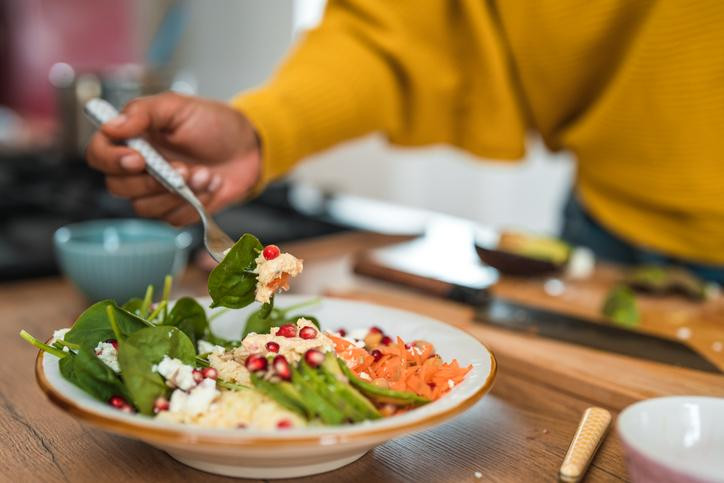
Mediterranean and plant-based diets might keep you regular
A 2025 Harvard study found that people who most closely adhered to a Mediterranean or a plant-based diet had up to a 20% lower risk for chronic constipation, compared with people who followed other eating patterns.
6 new terms for healthy eating
The trend toward eating plant-rich diets has led to a number of new dietary terms and buzzwords. Examples include the terms "plant-forward," which describes the shift toward the gradual incorporation of more plant foods into the diet; "plant-based protein," used for foods that contain a high amount of protein, even some processed foods; and "sustainable eating," whichrefers to the big picture of food choices and how they can help sustain the environment, the planet, and health.

Is acetaminophen safe during pregnancy?
A statement from a group of doctors and scientists raised concerns around taking acetaminophen during pregnancy, but research backing this is based on observational studies and animal studies, so that no firm conclusions can be drawn from it. Here's what to consider if you're pregnant.
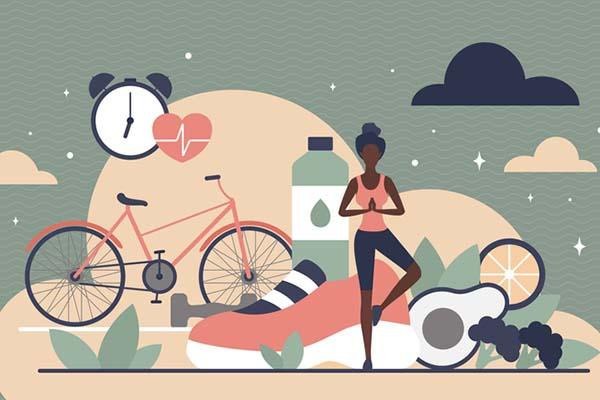
5 timeless habits for better health
Influencers, news headlines, and well-meaning friends and family offer conflicting advice on wellness. Quick fixes and fads may do little for our health, and some even prove harmful. Try to work these five simple habits that can boost health and wellness into your everyday life.
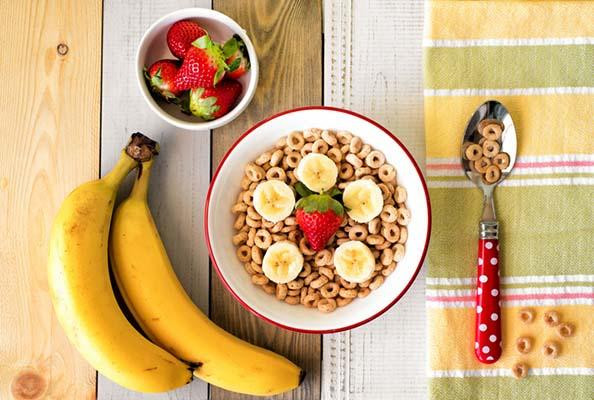
Is your breakfast cereal healthy?
In the US, more than a quarter of children and adolescents have ready-to-eat cereal for breakfast most days of the week. Advertising touts cereal as a healthy choice, but a recent study disputes this.
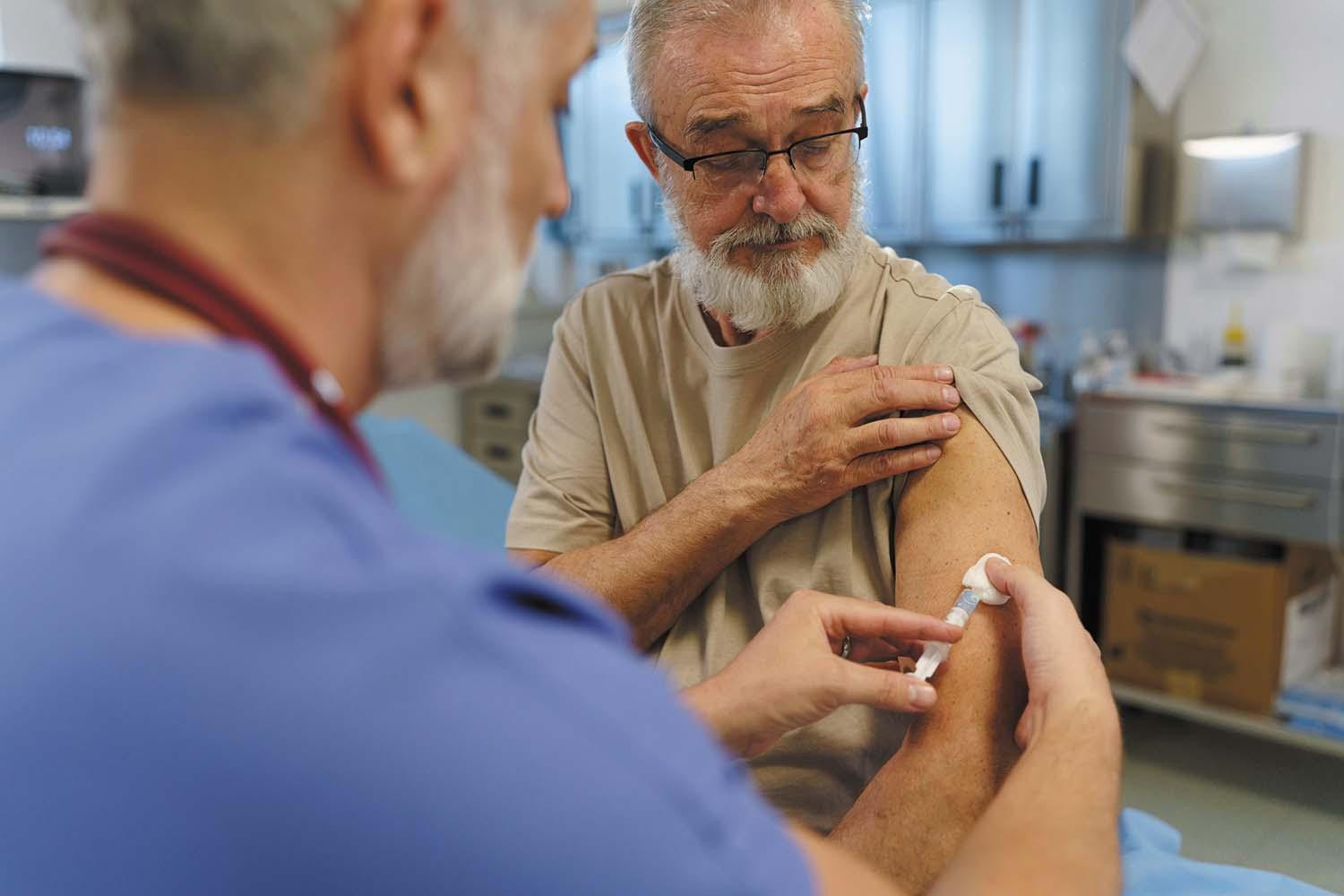
Infections, vaccines, and heart disease: What you need to know
Getting vaccinated against influenza (flu), COVID-19, and pneumonia is especially important for people who have cardiovascular disease. The coughing and congestion that commonly occur with respiratory infections can make breathing more difficult, and the potential drop in oxygen puts added stress on the heart. Serious infections sometimes trigger sepsis, which happens when the immune system is overwhelmed or goes into overdrive, causing symptoms such as a rapid heart rate, very fast breathing, and low blood pressure. These complications can lead to a heart attack.
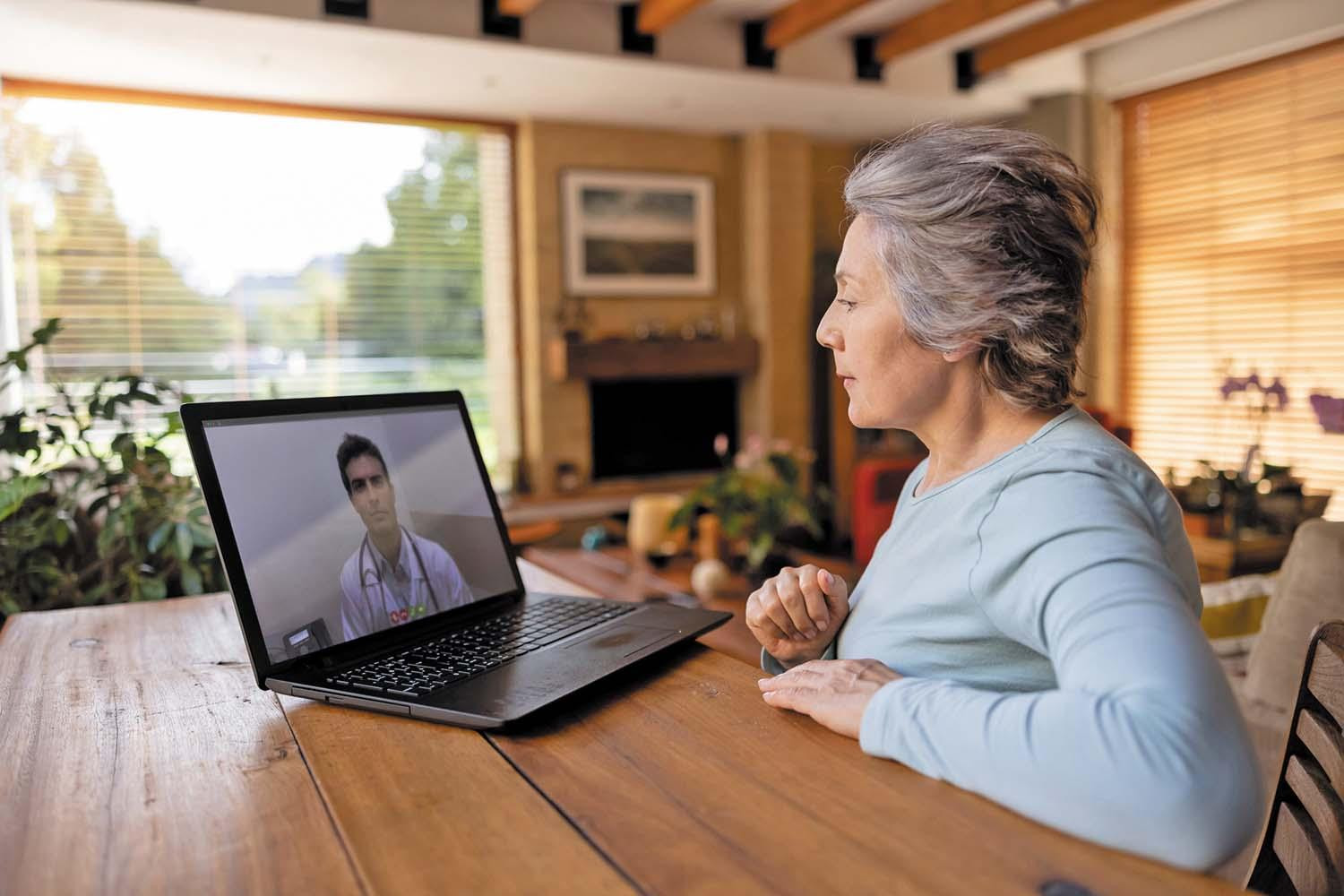
Heart disease and depression: A two way street
A heart disease diagnosis may trigger a bout of depression. But having depression can also leave people more vulnerable to heart disease. Some of the overlap stems from shared lifestyle factors, such as inactivity and an unhealthy diet. In addition to addressing those issues, other safe and effective ways to ease depression include working with a therapist, using a light box, and taking medications.
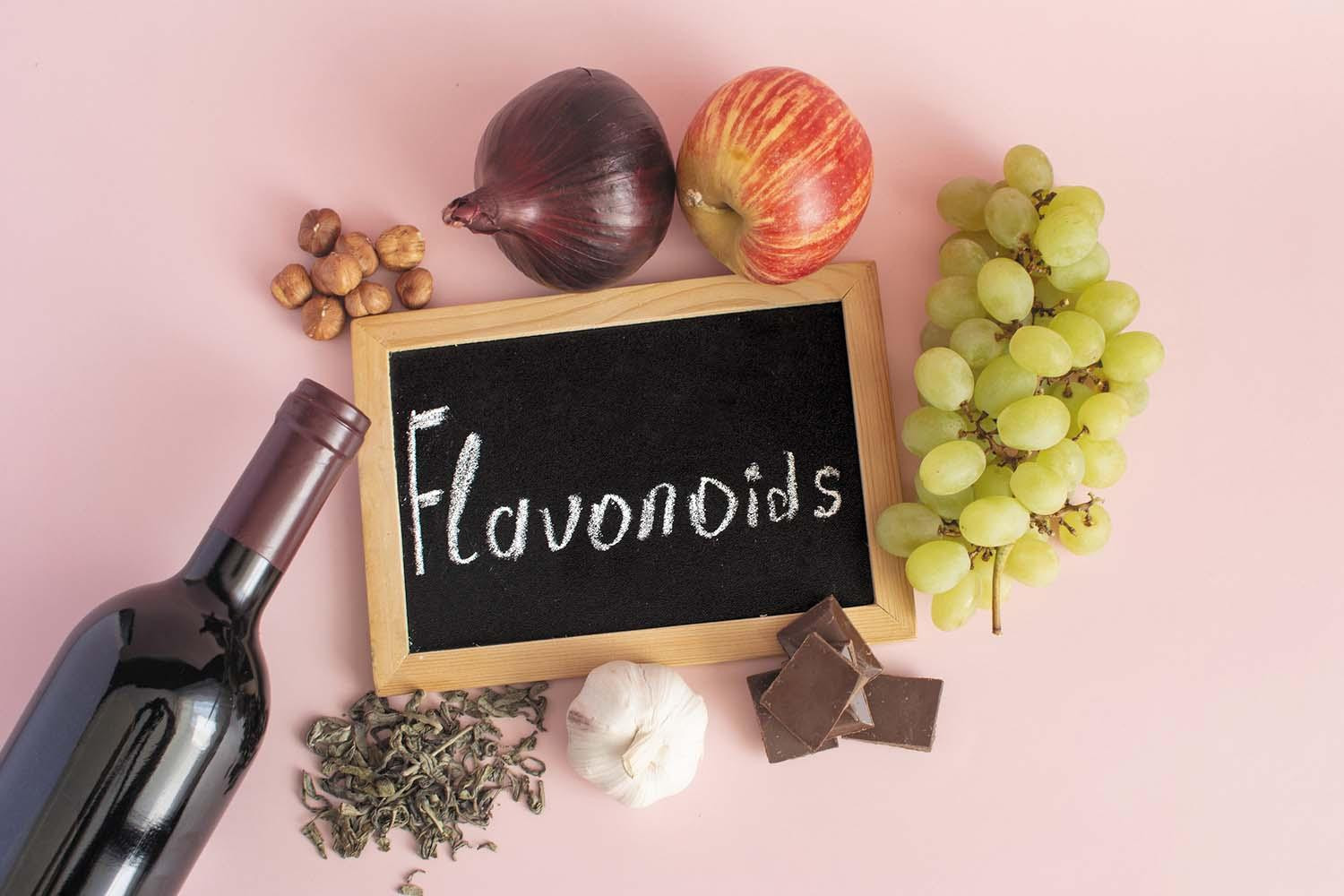
Eating diverse flavonoid foods may provide extra health protection
Eating a variety of flavonoid-rich foods may offer greater protection against cardiovascular disease and cancer than eating only a few high-flavonoid foods, according to a 2025 study.
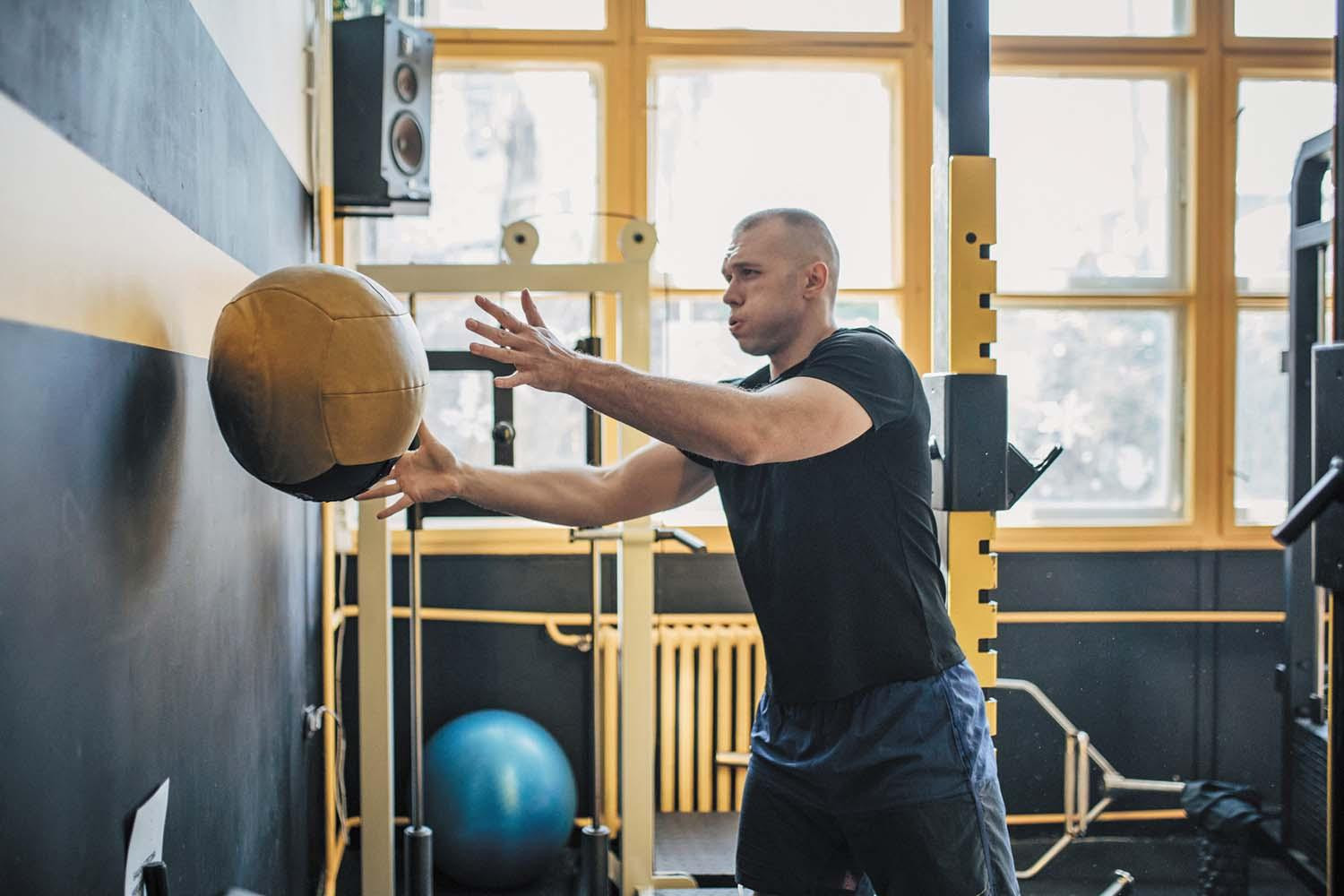
Power play
Power is the ability to generate a large amount of force in a short amount of time. It can help people to properly and safely execute many everyday movements, such as climbing stairs, lifting and carrying heavy objects, twisting, pulling, and throwing. Power also improves movement efficiency and reaction time, helping to prevent injuries from falls. Increasing overall muscle mass with regular strength training and doing plyometric exercises and explosive moves using a medicine ball can help build power.
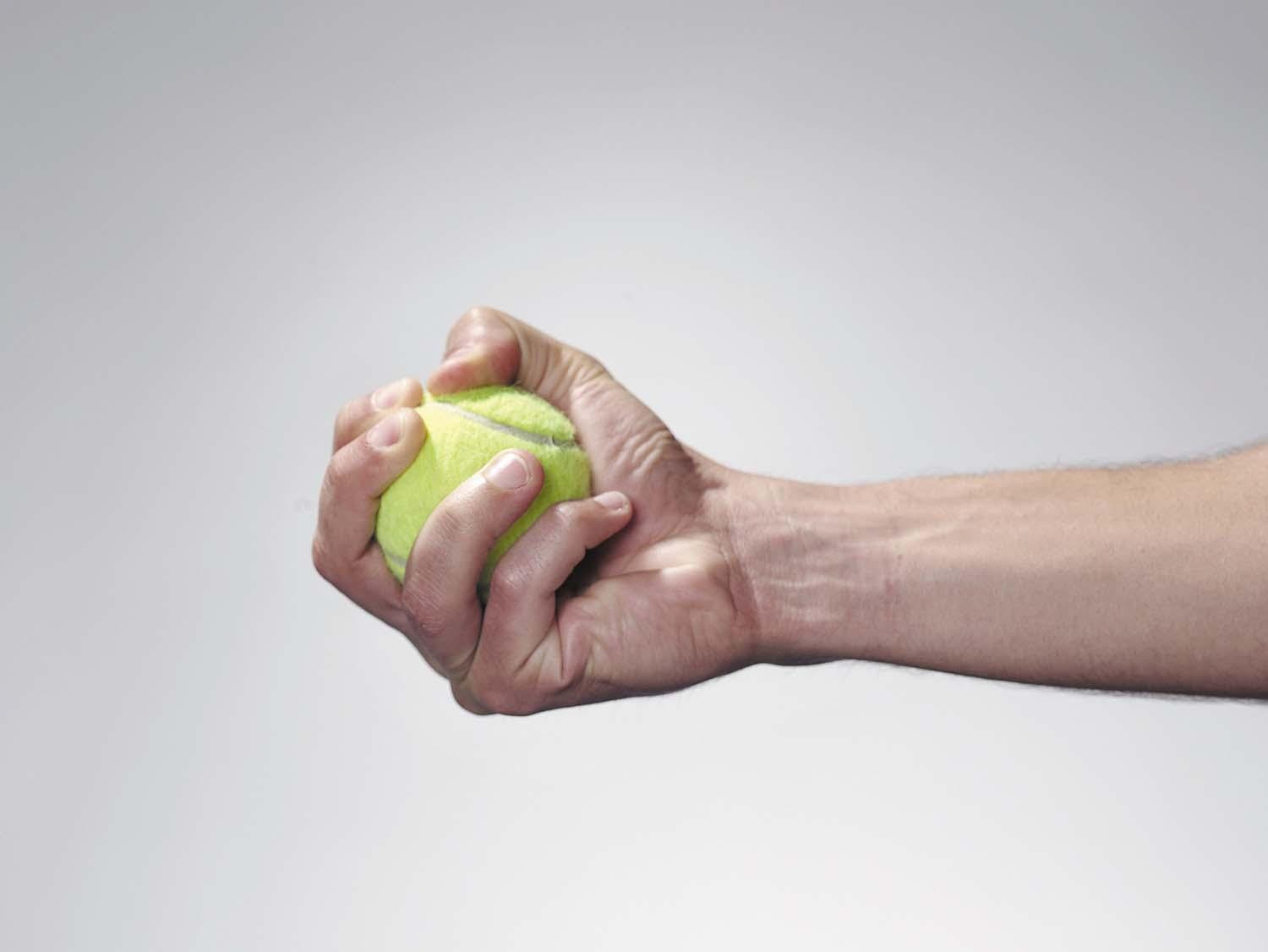
Why do I feel more clumsy with age?
As people get older, they may get clumsier because of multiple factors such as declining hearing and vision, loss of muscle, balance issues, and chronic health conditions. Addressing these issues can help people avoid injury from falls and other accidents.
Estrogen-only hormone therapy tied to lower dementia risk
Should you have a hysterectomy?
Stair climbing may significantly lower cardiovascular risks
Why do I sweat so much?
Walking pneumonia: The "mild" illness that can still pack a punch
Tai chi walking: What is it and does it work?
What causes knee pain: How doctors make a diagnosis
Sacroiliac joint pain: Causes, symptoms, and exercises that help
Where you carry excess weight matters in predicting heart disease risk
Study: At-home colorectal cancer screening may significantly cut colon cancer deaths
Free Healthbeat Signup
Get the latest in health news delivered to your inbox!
Sign Up
