

Estrogen-only hormone therapy tied to lower dementia risk

Should you have a hysterectomy?

Stair climbing may significantly lower cardiovascular risks

Why do I sweat so much?

Walking pneumonia: The "mild" illness that can still pack a punch

Tai chi walking: What is it and does it work?

What causes knee pain: How doctors make a diagnosis
Sacroiliac joint pain: Causes, symptoms, and exercises that help

Where you carry excess weight matters in predicting heart disease risk

Study: At-home colorectal cancer screening may significantly cut colon cancer deaths
Preventive care Archive
Articles

Living in the Blue Zone
The Blue Zones are locations in the world where people are regarded as being among the healthiest and longest-lived. They include Okinawa, Japan; Ikaria, Greece; Sardinia, Italy; Nicoya, Costa Rica; and Loma Linda, California. According to some research, most residents of Blue Zones live seven to 10 years longer than the average American and have lower rates of cancer, cardiovascular disease, diabetes, and dementia. These individuals follow certain healthy behaviors related to diet, exercise, and emotional well-being that people can adopt.

Modified DASH diet lowers blood pressure in people with diabetes
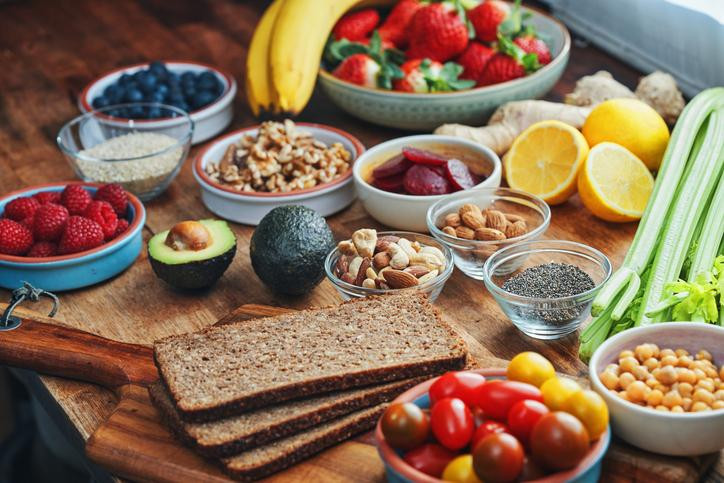
For people with diabetes, a modified version of the Dietary Approaches to Stop Hypertension (DASH) diet can lower their blood pressure. Called DASH4D, it has fewer carbohydrates, more unsaturated fat, and slightly reduced amounts of potassium.
DASH diet tied to lower colorectal cancer risk
A 2025 research review found that adhering to the DASH diet-which emphasizes eating fruits, vegetables, lean protein, whole grains, nuts, and low-fat dairy products-is linked to a lower risk of developing colorectal cancer.

Fresh-faced through the years
With age, people develop brown spots, wrinkles, and sagging skin. Women are more likely than men to invest money and time to look younger. Sun protection and a variety of skin care products can help, including those containing alpha-hydroxy acids, retinols, vitamin C, and hyaluronic acid. Minimally invasive cosmetic procedures can also ease signs of aging. These include injections of botulinum toxin (Botox) or hyaluronic acid, laser treatments, and chemical peels. Skin care and treatments should be customized to each person.
Is constant gum-chewing a bad idea?
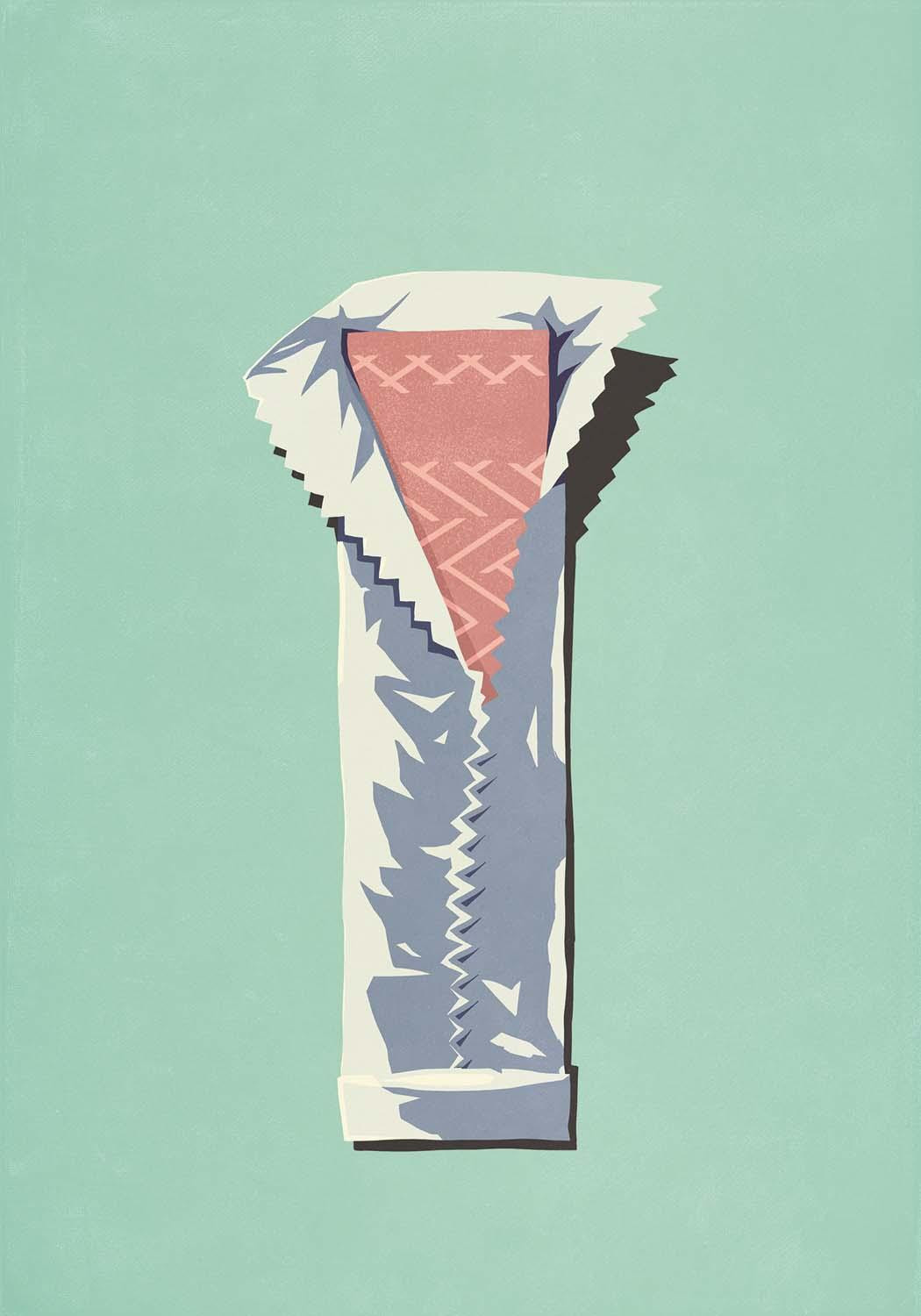
Evidence suggests that chewing gum can help people feel more focused and less stressed. Chewing sugar-free versions can hinder cavities. But constant gum-chewing can tire jaw muscles, and xylitol-containing gum can trigger abdominal distress.

Do I need to rebalance my pH?
The body's pH level supports a variety of crucial functions. Certain health conditions can create a pH disturbance. People can support a healthy pH by eating a balanced diet featuring fruits, vegetables, whole grains, lean meat, and fish.

Solo aging: Who can you rely on?
Solo-agers are people 50 and older who aren't married, don't have children, and live alone. Many of them don't have people they can count on to help them with household tasks or manage their ongoing care, if needed. While solo aging can offer perks, it can also leave older adults vulnerable to deteriorating mental and physical health. Solo-agers may count on help from siblings, neighbors, friends, community groups, or paid help. They can build their support by setting up a buddy system, staying in regular touch with loved ones, and tapping senior programs.
Will vitamin D supplements keep me younger?
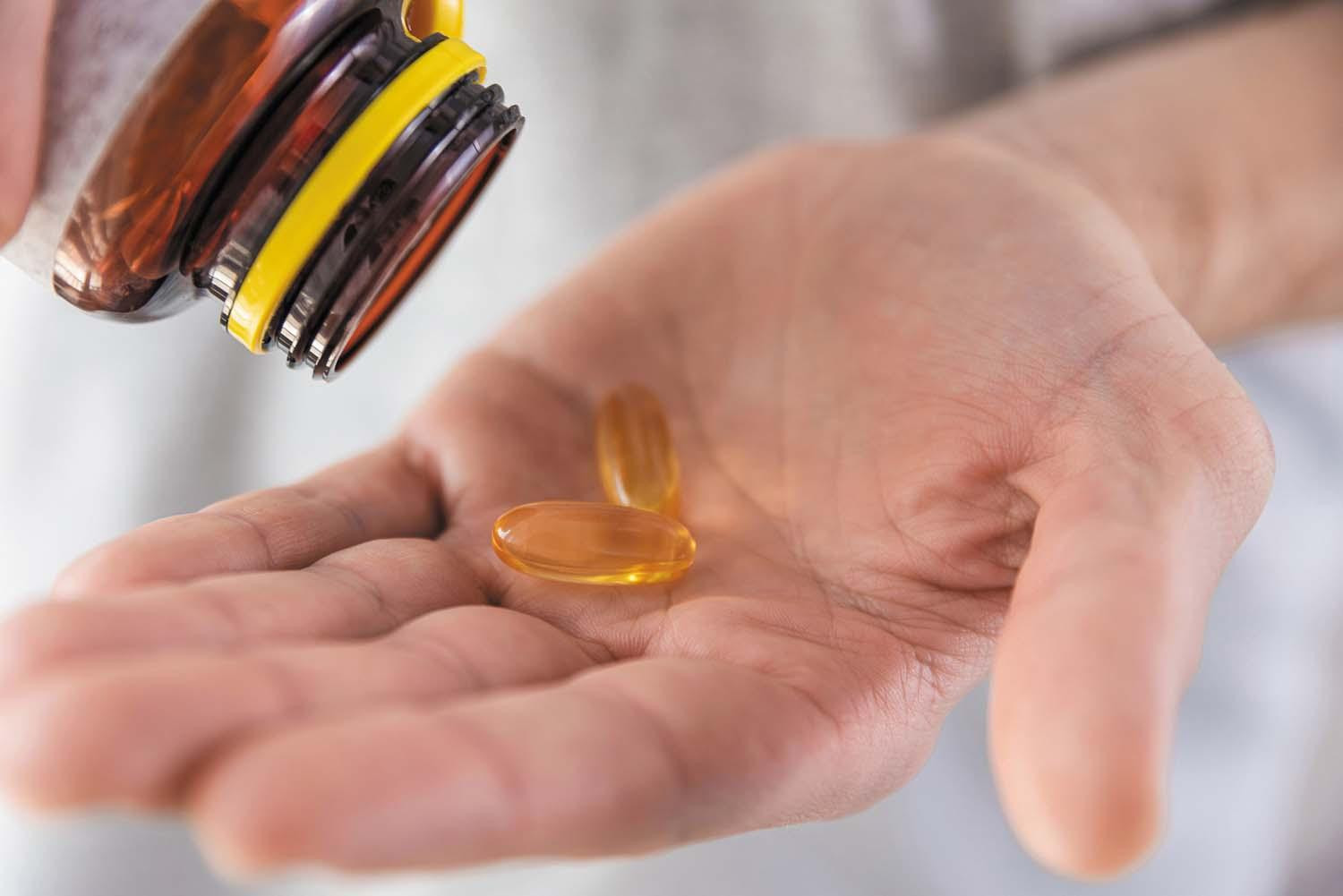
In a 2025 randomized trial of about 1,000 people (ages 50 or older), followed for four years, those who took 2,000 international units of vitamin D3 per day showed cellular signs that suggested they were aging more slowly compared with people who did not take the supplement. It’s unclear if this benefit would continue from taking daily pills longer than four years. Scientists do know that taking vitamin D3 supplements is important for people with osteoporosis or with vitamin D deficiency (as determined by a blood test).

Aim for quantity and variety in fruit and vegetable intake
A 2025 study that involved 125,000 people (ages 40 to 69), who were followed for about a decade, found that both the quantity and variety of flavonoid intake were linked with significantly reduced risks of chronic disease and death from any cause.

What to do if you get "tennis leg"
Tennis leg refers to a strained calf muscle, usually the gastrocnemius. A person can injure the muscle during activity when planting the foot down hard or suddenly changing direction. This might happen during sports, such as tennis, or even while walking or jogging. Mature athletes, who are prone to injury, are vulnerable to the injury. Treatment can involve resting, elevating, and icing the calf muscle; wearing a compression sock; taking painkillers; getting physical therapy; and having surgery.
Estrogen-only hormone therapy tied to lower dementia risk
Should you have a hysterectomy?
Stair climbing may significantly lower cardiovascular risks
Why do I sweat so much?
Walking pneumonia: The "mild" illness that can still pack a punch
Tai chi walking: What is it and does it work?
What causes knee pain: How doctors make a diagnosis
Sacroiliac joint pain: Causes, symptoms, and exercises that help
Where you carry excess weight matters in predicting heart disease risk
Study: At-home colorectal cancer screening may significantly cut colon cancer deaths
Free Healthbeat Signup
Get the latest in health news delivered to your inbox!
Sign Up
