

Estrogen-only hormone therapy tied to lower dementia risk
Should you have a hysterectomy?

Stair climbing may significantly lower cardiovascular risks

Why do I sweat so much?

Walking pneumonia: The "mild" illness that can still pack a punch

Tai chi walking: What is it and does it work?

What causes knee pain: How doctors make a diagnosis
Sacroiliac joint pain: Causes, symptoms, and exercises that help

Where you carry excess weight matters in predicting heart disease risk

Study: At-home colorectal cancer screening may significantly cut colon cancer deaths
Preventive care Archive
Articles
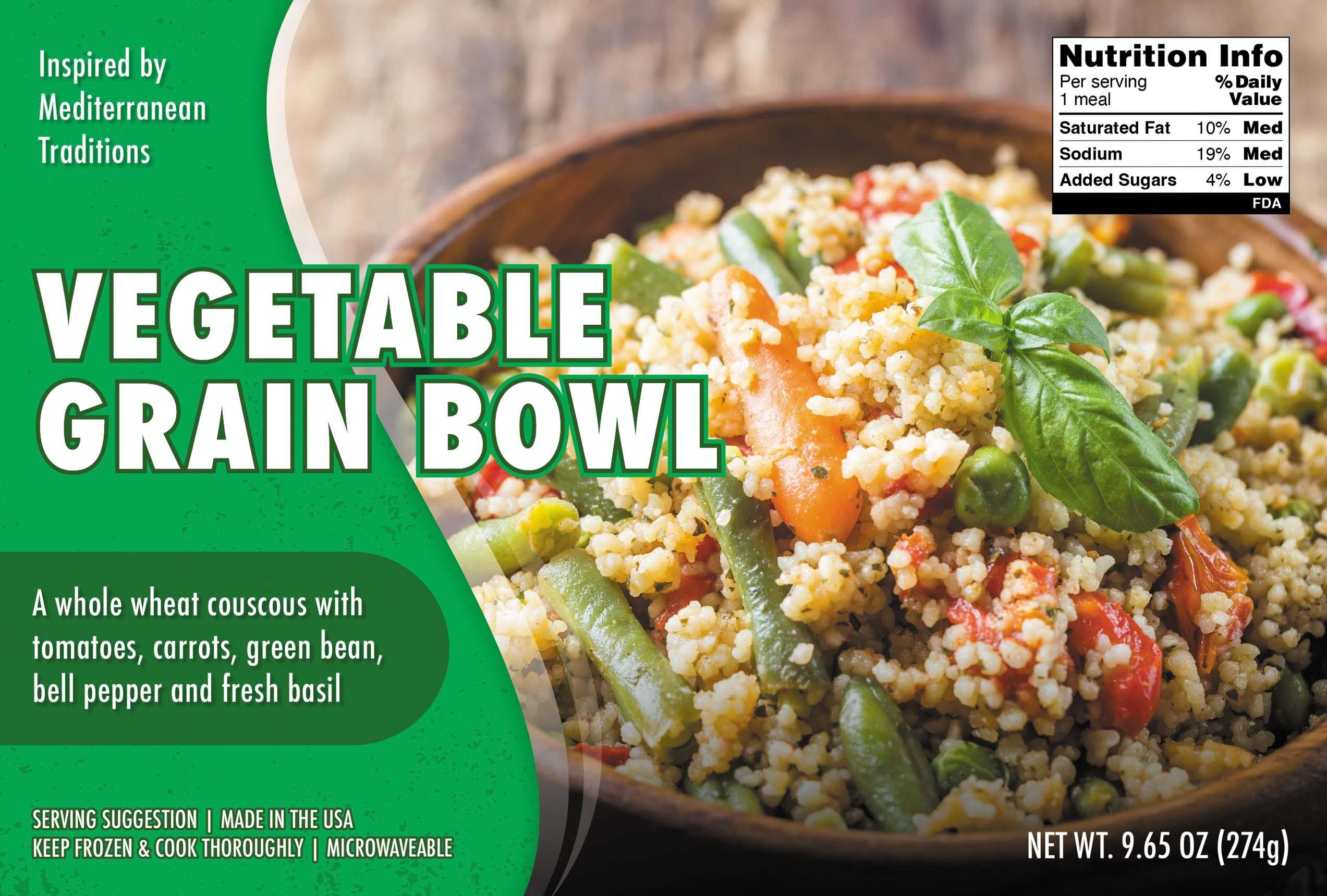
Food additives and heart health
Ultraprocessed packaged foods and drinks contain thickeners, preservatives, and other additives to improve their taste, texture, appearance, and shelf life. But the high amounts of salt, sugar, and fat in these products are probably more concerning for a person's health. Foods like sugary drinks and processed meats are the worst culprits. Eating a diet focused on whole, plant-based foods automatically lowers processed food intake and provides heart-protecting nutrients such as fiber, vitamins, and minerals.
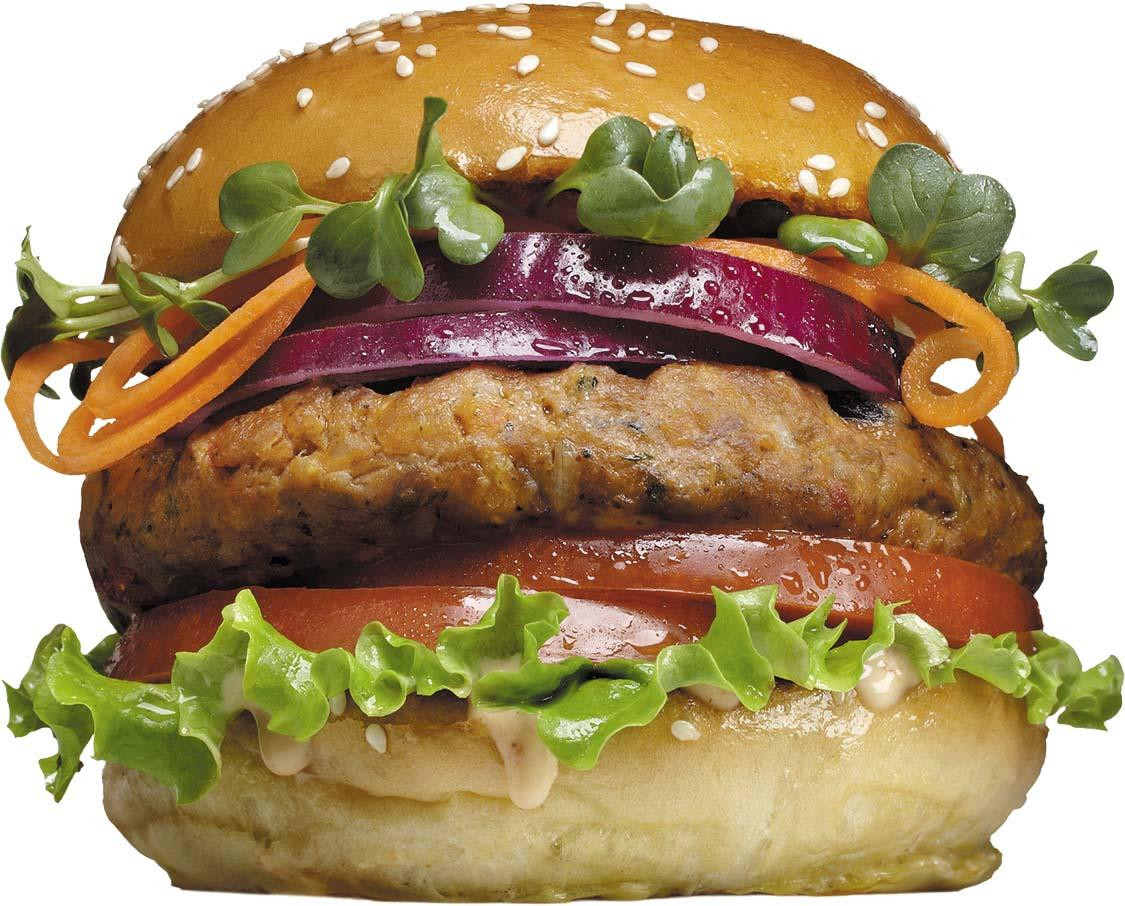
What type of burgers are the healthiest?
Meatless burgers-which include plant-based meat alternatives like Beyond Burger and Impossible Burger and veggie burgers-are healthy replacements for traditional hamburgers. Those with the lowest amounts of saturated fat and sodium are the best options.
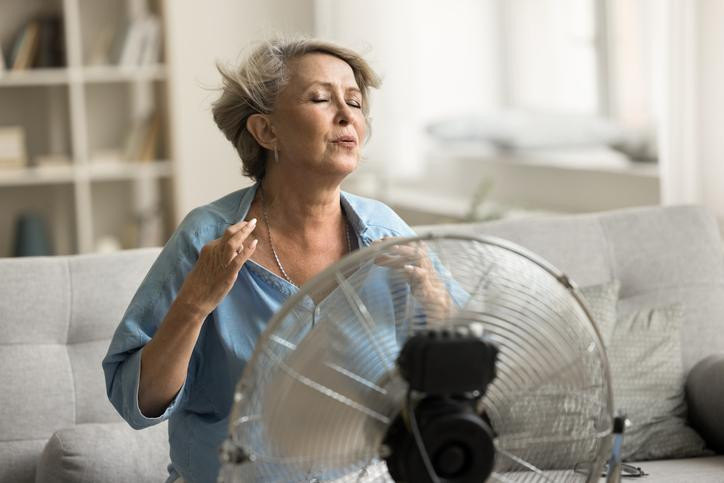
Extreme heat endangers older adults: What to know and do
The surge in heat waves and extreme heat poses serious health risks for everyone but is a particular worry for older adults. What can you do to manage heat-related risks, especially if you have existing health conditions or take certain medications?


Midlife pressure surge
High blood pressure means that blood pushes against artery walls more forcefully than normal. Women's blood pressure is typically lower than men's until around age 60. An estimated 41% of women develop high blood pressure after menopause. High blood pressure increases people's risks of heart attack, stroke, kidney disease, and other problems. Factors that increase women's risk of high blood pressure at midlife include menopause, elevated sympathetic nerve activity, weight gain and redistribution, stress, and genetics.

Popular no-calorie sweetener may increase hunger
In a 2025 study, researchers found that many people who drank water containing the no-calorie sweetener sucralose (Splenda) had increased appetite and cravings compared with those who drank water sweetened with table sugar or plain water.

Weight training may protect the brain from cognitive decline
A small 2025 study found that older adults who did six months of weight training improved their ability to recall recent events and information. They also had had less brain shrinkage in regions affected by Alzheimer's disease, compared with people who did not do the training.

How to fill out a "flat" behind
Older men can get "flat" or weak buttocks from spending too much time sitting, which can weaken gluteal muscles and create tight hip flexors. This weakness can place excess demand on other parts of the body, which can lead to pain in the lower back, hips, and knees and increase risk for lower-body injuries. The best way to strengthen a weak backside is to break up prolonged periods of sitting with regular movement and perform exercises that build up gluteal muscles, such as deadlifts, bridges, and step-ups.
Estrogen-only hormone therapy tied to lower dementia risk
Should you have a hysterectomy?
Stair climbing may significantly lower cardiovascular risks
Why do I sweat so much?
Walking pneumonia: The "mild" illness that can still pack a punch
Tai chi walking: What is it and does it work?
What causes knee pain: How doctors make a diagnosis
Sacroiliac joint pain: Causes, symptoms, and exercises that help
Where you carry excess weight matters in predicting heart disease risk
Study: At-home colorectal cancer screening may significantly cut colon cancer deaths
Free Healthbeat Signup
Get the latest in health news delivered to your inbox!
Sign Up
